The struggle for human dignity
Welcome to Azzam Alhamwi's political articles, where we delve beyond conventional narratives. Here, we explore politics not as a mere clash for power, but as a profound struggle for human dignity, inherent freedom, and the very meaning of our existence.
رغيف الخبز
لا أخاف الموت
أخاف الخباز..
أخافُ أن ينتهي الطابور قبل
أن أصل..
فأعود إلى بيتي بجثةِ رغيفٍ يابس.
في بلادي..
كلما ارتفع سهمُ الحرية في الخطابات.
انخفضت جودةُ الطحين في الأفران.
المثقفون:
يتحدثون عن صراع الطبقات وأنا لا أفكر إلا بصراع أسناني مع حافة الصحن.
السياسيون:
يعدوننا بالرفاهية..
بينما كروشهم تتمدد كخرائط استعمارية على حساب خصورنا النحيلة.
أشتهي أن أكون خبازاً
لأنام فوق تلال العجين
لعلّ الدفء ينسيني أنني مواطن مع وقف التنفيذ.
فالمسافةُ بين حنجرتي
وصوتي..
هي نفسُ المسافةِ بين قصرِ الشعب وزنزانتي
كلاهما بحاجةٍ إلى واسطة
كي أعبر.
يا إلهي..
لماذا خلقتَ لنا عصافير في صدورنا.
ولم تخلق لها قمحاً؟
لماذا جعلتَ رائحة الخبز طازجة إلى هذا الحد.
بينما حياتنا معفنة مثل قبوٍ نسِيَه الحرس؟
أعطني وطناً لا يطالبني ببطاقتي الشخصية حين أحلم..
ولا يفتشُ حقيبتي بحثاً عن قصيدةٍ مهربةٍ تحت معطفي المثقوب.
جميع الحقوق محفوظة
© عزام الحموي 2025.
The Loaf of Bread
I do not fear death,
I fear the baker..
I fear the queue will end before
I reach the front..
So I return home with the corpse of a dry loaf.
In my country..
Whenever the arrow of freedom rises in speeches,
The quality of flour in the ovens declines.
The intellectuals:
They talk about the class struggle, while I think of nothing
But the struggle of my teeth against the edge of the plate.
The politicians:
They promise us prosperity..
While their bellies expand like colonial maps
At the expense of our slender waists.
I long to be a baker
So I could sleep atop hills of dough.
Perhaps the warmth would make me forget
That I am a citizen on probation.
For the distance between my throat
And my voice..
Is the same as the distance between the Palace of the People and my cell.
Both need a middleman
For me to cross.
Oh my God..
Why did You create sparrows in our chests,
But did not create wheat for them?
Why did You make the smell of bread so fresh,
While our lives are as musty as a basement forgotten by the guard?
Give me a homeland that does not ask for my ID card when I dream..
And does not search my bag
For a smuggled poem under my tattered coat.
All rights reserved
© Azzam Al-Hamwi 2025.

الى وطني سوريا
تعبت
تعبتُ من وطنٍ
يطلب من الضحية أن تكنس الدم
و من الجائع أن يشكر الطاولة الفارغة..
ومن المشرد أن يغنّي للنوافذ الموصدة..
تعبتُ من وطنٍ
يعلّق المشنقة في الساحة
ثم يسأل الضحايا:
لماذا لا تبتسمون للكاميرا؟
أيها الوطن
لقد استبدلتَ الأمهات بخطب
والأطفال بشعارات
والقبور برايات
حتى صرنا ندفن أحلامنا
ونقيم لها مهرجانات رسمية.
أنا لا أريد إسقاطك
ولا إصلاحك
ولا ترقيعك
ولا ترقيتك إلى نشرة أخبار
أريد فقط أن أستقيل منك
كما يستقيل العبد من السوط
والميت من النعش
والكذبة من البيان الأول.
دعني أعيش بلا نشيد
بلا علم
بلا حدود
بلا صور زعيم تراقبني وأنا أنام
دعني أكون مواطناً في غرفة صغيرة..
خيرٌ من أن أكون رقماً في وطن كبير..
فابقَ كما أنت…
مزدحماً بالخطابات
وفارغاً من البشر
أما أنا
فسأذهب لأبحث عن خرابٍ أقل رسمية..
و عن موتٍ بلا طوابير.
To my homeland, Syria
I’m tired
I am tired of a homeland
That asks the victim to sweep up the blood
And the hungry man to thank the empty table…
And the homeless to sing to sealed windows…
I am tired of a homeland
That hangs the noose in the square
Then asks its victims:
Why won’t you smile at the camera?
Oh homeland
You have replaced mothers with speeches
Children with slogans
Graves with flags
Until we began burying our dreams
And holding official festivals for them.
I do not want to overthrow you
Nor reform you
Nor patch you up
Nor upgrade you to a segment on the evening news
I only want to resign from you
As the slave resigns from the whip
The dead from the coffin
And the lie from the first communiqué.
Let me live without an anthem
Without a flag
Without borders
Without portraits of a leader watching me while I sleep
Let me be a citizen in a small room…
Better than being a number in a vast homeland…
So stay as you are…
Crowded with speeches
Empty of people
As for me
I will go in search of a ruin less official…
And a death without queues.
لا شيء يشبهنا …
في اليابان: لا يوجد جهل
في السويد: لا توجد سجون
في سويسرا: لا يوجد فقر
في النمسا: لا يوجد تلوث
في ألمانيا: لا توجد بطالة
في هولندا: لا يوجد ظلم
أما في بلادي:
هناك جهل ينام على الارصفة
يلتف حول رؤوس الناس كالحشرات ..
وحول أعناقهم كالأفاعي ..
وسجون تضحك عليك ..
تقيم حفلاتها بلا جمهور
قبل ان تدرك انك محكوم سلفا
وفقر يسرق الضوء من العيون
ويزرع الأشجار فوق الرؤوس العالية
وتلوث يتسلق الرئة ..
كما يتسلق الغول الصامت سلالم البيوت القديمة
يغني للنوافذ التي لم تفتح منذ عقود ..
وبطالة تتعلم أن تمشي دون امل
كأشباح تتسكع في الشوارع المهجورة
تبحث عن اسماء مفقودة
في بلادي...
حتى الحلم مهزوم قبل أن يكتب
والضحك جريمة
والامل سلعة ممنوعة
المساء يمر كسيف على رقاب الاطفال
والنهار يختبئ كظل بين الجدران المهدمة
تحاول أن تسأل عن الحرية
فتجدها صناديق فارغة وأوراقا ممزقة
ويردونك بصمت ثقيل …
تحاول أن تسأل عن العدالة
فتواجه أبوابا مغلقة ووجوها بلا عيون
ويضربك الفراغ على وجهك
تحاول ان تحب ..
فتجد ان الحب هنا أقرب الى الشيطان
منه إلى قلب حي
الحب هنا جريمة صامتة ..
الاهل غرباء ..
والاصدقاء مجرد صدى أصوات لم تسجل
وصور معلقة على جدران السراب
تقف وحيدا ..
تنظر الى اليابان .. السويد
سويسرا...
تضحك لكفك المليء بالعفن
وتدرك أن الجحيم ليس نارا
بل ان ترى العالم ولا تصل إليه
أن تسمع الحلم ولا تحياه
أن تحب بلا صدى
وتموت ببطء بلا دماء
بلا ضجيج .. بلا شهود
في بلادي ..
يبقى اليأس كطفل وحيد في الزاوية
يجمع بقايا كلماتك
ويرسم وجهك على الجدران
حتى لو لم تكن موجودا
كل شيء فيها مستعار من العالم الخارجي
لكن لا شيء يصل إلينا سوى البقايا:
بقايا صرخات
بقايا وجوه
بقايا كلمات...
أخيرا … تقف وحيدا
وتقول لنفسك:
"ليس هناك جحيم اعظم من ان تكون هنا
بين من لا يدرون ما خسروا
وما كسبوا
وما فقدوا
وما سيخسرون".
Nothing Resembles Us…
In Japan: there is no ignorance
In Sweden: there are no prisons
In Switzerland: there is no poverty
In Austria: there is no pollution
In Germany: there is no unemployment
In Holland: there is no injustice
But in my country:
There is ignorance that sleeps on pavements
Coiling around people’s heads like insects…
And around their necks like serpents…
And prisons that laugh at you…
They hold their celebrations with no audience
Before you even realise you were sentenced in advance
And poverty that steals the light from eyes
And plants trees on top of high heads
And pollution that climbs the lungs…
As a silent monster climbs the stairs of old houses
Singing to windows that haven’t opened in decades…
And unemployment that learns to walk without hope
Like ghosts loitering in abandoned streets
Searching for lost names
In my country…
Even the dream is defeated before it is written
And laughter is a crime
And hope is a forbidden commodity
Evening passes like a sword on the throats of children
And daylight hides like a shadow between crumbling walls
You try to ask about freedom
And find it in empty boxes and torn papers
And they answer you with heavy silence…
You try to ask about justice
And you face locked doors and faces without eyes
And emptiness strikes you across the face
You try to love…
And you find that love here is closer to the devil
Than to a living heart
Love here is a silent crime…
Family are strangers…
And friends are merely echoes of voices never recorded
And photographs hung on walls of mirage
You stand alone…
You look at Japan… Sweden
Switzerland…
You laugh at your palm filled with mildew
And you realise that hell is not fire
But to see the world and never reach it
To hear the dream and never live it
To love without echo
And die slowly without blood
Without noise… Without witnesses
In my country…
Despair lingers like a lonely child in the corner
Gathering the remnants of your words
And drawing your face on walls
Even if you are no longer there
Everything in it is borrowed from the outside world
But nothing reaches us except the remains:
Remains of screams
Remains of faces
Remains of words…
Finally… you stand alone
And say to yourself:
“There is no hell greater than being here
Among those who do not know what they have lost
And what they have gained
And what they have forfeited
And what they will lose.”
Beyond the power game
Many perceive politics through the lens of power dynamics and conflict. However, our analyses invite you to see a deeper truth: that at its core, politics is about safeguarding human dignity and securing the fundamental right to freedom for every individual. It's a continuous quest for meaning in societal structures.

كتب م. عزام الحموي
عضو الكتلة الوطنية السورية
كيف نطمئن الناس؟
في أوقات التحولات السياسية الكبرى يصبح الخوف شعورًا جماعيًا يسود المجتمع حتى لو أظهر النظام الجديد التزامًا بمعايير أخلاقية مقبولة
هذا الخوف ليس وليد اللحظة بل هو نتاج لتاريخ طويل من التجارب المريرة التي مرت بها الشعوب مع أنظمة مشابهة في الأيديولوجيا أو التوجهات عندما يأتي نظام جديد من خلفية إسلامية يحمل الناس في وجدانهم ذكريات مؤلمة عن القمع أو الانتقام حتى لو كانت تلك الممارسات غائبة عن الواقع الجديد
هنا تبرز الحاجة الماسة إلى بناء جسور الثقة وطمأنة الناس بأن ما يخشونه لن يتحقق
الناس تخاف المجهول بطبيعتها حتى عندما لا توجد انتهاكات ممنهجة تظل الذاكرة الجماعية وتجارب الماضي حاضرة في أذهان الجميع مما يجعلهم حذرين من المستقبل اكثر فأكثر لهذا لا يكفي أن يظهر النظام حسن النية بل عليه أن يثبتها يوميًا من خلال ممارسات شفافة وخطاب جامع يقطع الطريق على كل مخاوف أو شكوك فلا فيديوهات مسربة من هناك وهناك ولا تهديدات مبطنة ولا انقسامات بين مؤيد معارض ولا تحييز لفئة على حساب الاخرى ولا تكرار لأخطاء فردية قد تفسد كل ما أنجزته البلاد في تحررها من الطاغية
يجب أن يعي النظام أن الوعود وحدها لا تكفي بل يتطلب الأمر خطوات عملية تعزز الأمان والعدالة وتظهر بوضوح أن الجميع متساوون أمام القانون الذي هو فوق الجميع ودون استثناءات
لا يمكن لثقة الناس أن تبنى في ظل الغموض لهذا يصبح التواصل الصريح والمباشر مع الشعب أمرًا حيويًا النظام بحاجة إلى فتح قنوات حوار حقيقية مع مختلف مكونات المجتمع ليشرح رؤيته بوضوح ويجيب عن التساؤلات التي تؤرق الناس وعليه أن يبتعد عن الخطاب الأيديولوجي الضيق الذي يثير المخاوف ويتبنى بدلاً من ذلك خطابًا وطنيًا شاملاً يضع مصلحة سوريا وشعبها في المقدمة وهو يفعل ذلك للأمانة
وفي الوقت ذاته يجب أن يظهر النظام التزامًا صارمًا بسيادة القانون فلا يمكن أن يُطمئن الناس في ظل غياب العدالة أو التساهل مع الأعمال الفردية التي قد تتسبب في إذكاء المخاوف الجماعية على العكس يجب أن تكون هناك محاسبة واضحة لأي تجاوزات سواء كانت من أفراد النظام أو من أي جهة أخرى ليشعر الجميع أن القانون يحميهم بلا استثناء
الثقة لن تتحقق بالكلمات فقط بل بالأفعال الملموسة التي يلمسها الناس في حياتهم اليومية تحسين الخدمات تعزيز الاقتصاد خلق فرص عمل والاهتمام بالبنية التحتية هي كلها خطوات لا تقل أهمية عن الخطاب السياسي عندما يشعر المواطن بأن حياته تتحسن وأن الدولة تسعى فعلاً لتحقيق رفاهيته تبدأ المخاوف في التلاشي تدريجيًا
ولا يمكن أن نغفل أهمية احترام التنوع المجتمعي في سوريا هذا البلد يضم فسيفساء غنية من الطوائف والأعراق والأيديولوجيات وأي محاولة لإقصاء أي مكون ستكون بمثابة إشعال فتيل الانقسام على النظام أن يثبت عمليًا أنه يحترم الجميع سواء في تشكيل الحكومة أو في القوانين التي تحمي الحريات الشخصية والدينية
ما يحتاجه الناس اليوم ليس مجرد شعارات أو وعود بل ممارسات حقيقية تؤكد أن سوريا الجديدة هي دولة لكل مواطنيها بغض النظر عن خلفياتهم أو انتماءاتهم
الثقة تُبنى بالزمن والخوف يُبدد عندما يشعر الناس بالأمان والعدالة والمساواة
على النظام أن يدرك أن كل خطوة يتخذها وكل قرار يصدره سيكون له أثر عميق في تشكيل الصورة التي يحملها الناس عنه والذين وما زالو يستبشرون فيه خيرا
إن طمأنة الناس ليست خيارًا بل ضرورة لأي نظام يسعى إلى الاستقرار والشرعية
ومن خلال الحوار والشفافية واحترام التنوع وتعزيز التنمية يمكن أن يتحول الخوف إلى أمل والشك إلى ثقة والمستقبل إلى أرضية مشتركة يبني عليها الجميع حلمهم بسوريا عادلة وآمنة للجميع.
م. عزام الحموي
Eng. Azzam Al-Hamwi
Member of the Syrian National Coalition
How Do We Reassure the People?
In times of major political transition, fear becomes a collective sentiment that pervades society, even when the new system demonstrates a commitment to acceptable ethical standards.
This fear is not born of the moment; it is the product of a long history of bitter experiences that peoples have endured under systems similar in ideology or orientation. When a new system arrives from an Islamic background, people carry in their collective memory painful recollections of repression or retribution—even if such practices are absent from the new reality. Here arises the urgent need to build bridges of trust and to reassure people that what they dread will not come to pass.
People naturally fear the unknown. Even in the absence of systematic violations, collective memory and the experiences of the past remain present in everyone's minds, rendering them increasingly wary of the future. For this reason, it is not enough for the new system to show goodwill; it must prove it daily—through transparent practices, through unifying, inclusive discourse that forecloses every fear and doubt. No leaked videos from here or there. No veiled threats. No divisions between supporter and opponent. No favouritism toward one group at the expense of another. No repetition of individual errors that could spoil all that the country has achieved in its liberation from the tyrant.
The system must understand that promises alone are insufficient. What is required are practical steps that reinforce safety and justice, and that clearly demonstrate that all are equal before the law—a law that stands above everyone, without exception.
People’s trust cannot be built in an atmosphere of ambiguity. For this reason, open and direct communication with the public becomes vital. The system needs to open genuine channels of dialogue with all components of society, to articulate its vision clearly, and to answer the questions that trouble the people. It must distance itself from narrow ideological rhetoric that stokes fears, and instead adopt a comprehensive national discourse that places the interest of Syria and its people at the forefront. To its credit, it is already doing so.
At the same time, the system must demonstrate a strict commitment to the rule of law. People cannot be reassured in the absence of justice, or in the face of leniency toward individual actions that may inflame collective anxieties. On the contrary, there must be clear accountability for any transgressions—whether committed by individuals within the system or by any other party—so that all may feel that the law protects them without exception.
Trust will not be achieved through words alone, but through tangible actions that people experience in their daily lives. Improving public services, strengthening the economy, creating job opportunities, and attending to infrastructure are all steps no less significant than political discourse. When a citizen feels that their life is improving, that the state is genuinely striving for their well-being, fears begin to dissipate—gradually.
Nor can we overlook the importance of respecting Syria’s societal diversity. This country is a rich mosaic of sects, ethnicities, and ideologies. Any attempt to marginalise any component will be tantamount to igniting division. The system must prove, in practice, that it respects everyone—whether in the formation of government or in the laws that protect personal and religious freedoms.
What people need today is not merely slogans or promises, but genuine practices affirming that the new Syria is a state for all its citizens, regardless of their backgrounds or affiliations.
Trust is built over time. Fear dissipates when people feel safety, justice, and equality.
The system must recognise that every step it takes, every decision it issues, will have a profound impact on shaping the image people hold of it—people who still look to it with hope and expectation.
Reassuring the people is not a choice; it is a necessity for any system that seeks stability and legitimacy.
Through dialogue, transparency, respect for diversity, and the advancement of development, fear can be transformed into hope, doubt into trust, and the future into common ground upon which all may build their dream of a Syria that is just and safe for everyone.
Eng. Azzam Al-Hamwi
كتب المهندس عزام الحموي
منسق الكتلة الوطنية السورية
التسامح وبناء سوريا الجديدة: "اذهبوا فأنتم الطلقاء" كمنهج
في التاريخ الإنساني، كانت لحظات التسامح العظيمة مفصلاً حقيقياً بين العنف المستمر والسلام المستدام. واحدة من أبرز تلك اللحظات كانت عند فتح مكة، عندما قال النبي محمد (صلى الله عليه وسلم) لأهلها: "اذهبوا فأنتم الطلقاء". هذه العبارة لم تكن مجرد كلمات، بل كانت إعلاناً لعصر جديد من التسامح والمصالحة، وهي تحمل في طياتها دروساً عظيمة يمكن الاستفادة منها في بناء مستقبل سوريا بعد سنوات طويلة من الحرب والانقسام.
ثقافة التسامح كحجر أساس
إن تبني ثقافة التسامح في سوريا الجديدة ليس خياراً ثانوياً، بل ضرورة حتمية. فالأحقاد المتراكمة نتيجة الصراع لا يمكن تجاوزها إلا بنشر خطاب التسامح والقبول بالآخر. المجتمع السوري الذي عانى من خطاب الكراهية والتحريض الطائفي بحاجة ماسة إلى خطاب يوحده بدلاً من أن يفرقه. هذا يتطلب عملاً على المستوى المجتمعي والسياسي لزرع قيم العفو والمصالحة كجزء من الهوية الوطنية الجديدة.
العدالة الانتقالية: عفو مشروط وعدالة منصفة
لا يمكن الحديث عن التسامح دون ربطه بالعدالة. العدالة الانتقالية توفر إطاراً لتحقيق هذا التوازن. في سوريا، يمكن أن تتبنى العدالة الانتقالية نهجاً يقوم على العفو المشروط. هذا يعني تقديم العفو عن الأفراد الذين لم يرتكبوا انتهاكات جسيمة لحقوق الإنسان، مع التركيز على محاسبة من أجرموا بوحشية. كما يمكن أن توفر العدالة الانتقالية فرصة للتوبة والاعتراف بالأخطاء، مما يتيح للمجتمع فرصة للشفاء والبدء من جديد.
بناء عقد اجتماعي جديد
التسامح يجب أن يُترجم إلى سياسات ومؤسسات. بناء عقد اجتماعي جديد يتطلب إعادة صياغة العلاقة بين الدولة والمجتمع على أسس المساواة والكرامة. يجب أن تُضمن حقوق جميع الأطياف السورية في هذا العقد، بغض النظر عن انتماءاتهم أو مواقفهم خلال الحرب. هذا يشمل حماية حقوق الأقليات وإعادة دمج الأشخاص الذين أُجبروا على الانخراط في الصراع نتيجة ظروف قهرية.
تركيز على المستقبل بدل الغرق في الماضي
إن الغرق في أحقاد الماضي يهدد أي محاولة لإعادة الإعمار وبناء دولة حديثة. بدلاً من ذلك، يجب أن يكون التركيز منصباً على المستقبل، على مشاريع إعادة الإعمار والتنمية، وعلى إطلاق برامج وطنية تتيح للجميع المشاركة في بناء وطنهم. هذه الروح الجامعة هي التي يمكن أن تعيد اللحمة الوطنية وتوجه الطاقات نحو التقدم بدلاً من الصراع.
رسالة أخلاقية وسياسية
تبني نهج التسامح والعفو هو ليس فقط خطوة أخلاقية، بل أيضاً رسالة سياسية قوية تعكس رؤية جديدة لسوريا. هذه الرسالة تؤكد أن سوريا المستقبل ستكون دولة تتسع للجميع، دولة العدالة والمساواة، حيث يمكن لكل مواطن أن يعيش بكرامة دون خوف من الانتقام أو الإقصاء.
ختاماً، إن عبارة "اذهبوا فأنتم الطلقاء" ليست مجرد حدث تاريخي، بل هي منهج يمكن أن يلهمنا جميعاً. سوريا الجديدة تحتاج إلى هذا النهج، إلى تجاوز الأحقاد، إلى بناء جسور الثقة، وإلى المضي قدماً نحو مستقبل يليق بشعبها الذي عانى طويلاً. التسامح ليس ضعفاً، بل هو قوة تبني الأمم وتصنع الحضارات. سوريا تستحق هذه القوة.
م. عزام الحموي
Eng. Azzam Al-Hamwi
Member of the Syrian National Coalition
Forgiveness and the Building of a New Syria:
“Go, for You Are Free” as a Paradigm
Throughout human history, great moments of tolerance have marked a genuine turning point between sustained violence and enduring peace. One of the most remarkable such moments occurred at the Conquest of Mecca, when the Prophet Muhammad (peace be upon him) declared to its people: “Go, for you are free.” This was not merely a string of words; it was the proclamation of a new era of tolerance and reconciliation. Within it lie profound lessons that may guide the construction of Syria’s future after long years of war and division.
A Culture of Tolerance as a Cornerstone
Adopting a culture of tolerance in the new Syria is not a secondary option—it is an imperative. The accumulated grievances born of conflict cannot be transcended except through the dissemination of a discourse of tolerance and acceptance of the other. A Syrian society that has suffered hate speech and sectarian incitement is in dire need of a unifying, not a divisive, narrative. This requires sustained effort at both the societal and political levels to implant the values of forgiveness and reconciliation as integral elements of a renewed national identity.
Transitional Justice: Conditional Amnesty and Equitable Accountability
It is impossible to speak of tolerance without situating it within the framework of justice. Transitional justice offers a mechanism for striking this balance. In Syria, transitional justice could adopt an approach grounded in conditional amnesty—extending forgiveness to individuals who did not commit grave human rights violations, while concentrating accountability on those guilty of atrocious crimes. Transitional justice may also provide an opportunity for repentance and acknowledgment of wrongdoing, enabling society to heal and commence a new chapter.
Forging a New Social Contract
Tolerance must be translated into policies and institutions. Forging a new social contract requires redefining the relationship between the state and society on foundations of equality and dignity. This contract must guarantee the rights of all Syrian constituencies, regardless of their affiliations or wartime positions. This includes protecting minority rights and reintegrating those who were compelled into the conflict under duress.
Focus on the Future Rather Than Drowning in the Past
To drown in the rancour of the past is to imperil any attempt at reconstruction and modern state-building. Instead, the focus must be directed toward the future—toward rebuilding and development projects, and toward launching national initiatives that enable all to participate in building their homeland. Such a unifying spirit can restore national cohesion and channel energies toward progress rather than conflict.
A Moral and Political Message
Embracing a paradigm of tolerance and forgiveness is not solely an ethical gesture; it is a powerful political statement, reflecting a new vision for Syria. This message affirms that the Syria of tomorrow will be a state that embraces all—a state of justice and equality, where every citizen may live in dignity, free from fear of reprisal or exclusion.
In conclusion, the words “Go, for you are free” are not merely a historical episode; they are a paradigm that may inspire us all. The new Syria requires this paradigm—to transcend enmities, to build bridges of trust, and to move forward toward a future worthy of a people who have endured so much. Tolerance is not weakness; it is the strength by which nations are built and civilisations are forged. Syria deserves no less.
Eng. Azzam Al-Hamwi

من الفتوى إلى القانون.. حين تنهض الدولة من ركام الطاعة
في زمنٍ تتثاءب فيه الحقيقة تحت أستار الطاعة ويُجلد الوعي بسياط الفتوى تُصبح الدولة مجرد ظلٍ لعظة منبر
أو هامشٍ في كتاب فقهٍ عتيق يتسلل الصوت الأعلى من عمامةٍ فوق المنطق ويُخرس القانون أمام فتاوى لا تعترف بزمان ولا بمكان
حين يصبح رأي الشيخ أقوى من قَسَم الدستور وتُقاس العدالة بمقاس الطاعة لا الحق
حينها تموت الدولة وتولد الجماعة ويتحول الوطن إلى مسجد كبير لا يعترف بالمختلف ولا يرحب بالمتسائل
لكن هل كتب علينا أن نظل أسرى هذا القيد؟
أليس من حقنا أن نحلم بدولةٍ لا تقيس مواطنيها بعدد الركعات ولا تُفرّق بينهم وفقًا لما تحت جباههم من آثار سجود؟
أليس العدل أن نقف جميعًا أمام ميزان واحد
لا يُرجّح كفة المسلم على المسيحي
ولا السني على الدرزي
ولا الرجل على المرأة بل يزن الإنسان بإنسانيته وحدها؟
من هنا تبدأ الحكاية...
من قلب السؤال الذي لم يُطرح علنًا في ساحاتنا المكتظة بالخوف من يحكمنا؟ القانون أم الفتوى؟
هل نُريد دولةً تُدار بنصوصٍ اجتهد فيها فقهاءُ عاشوا في زمن السيف أم نُريد دولةً تُصاغ بقوانين تعترف بعصر الإنسان بالاختلاف بالعقل وبالحرية؟
هل نُريد قاضياً يفتّش في نواياك أم قاضياً يحكم على فعلك؟
هل نريد أن نُحاسب على لباسنا وأفكارنا ومعتقداتنا أم على أفعالنا وجرائمنا ومسؤولياتنا؟
الفتوى لا تعرف الحياد
الفتوى لا تحاكم الفكرة
بل تُكفّرها
الفتوى لا تُساوي بين رجلٍ وامرأة ولا تؤمن بأن المسيحي شريك في الأرض والتاريخ بل ضيفٌ في ديار الإسلام
فهل بهذا المنطق نبني دولة؟
إنه القانون وحده القانون الذي لا يرتدي لحية ولا قبعة ولا يحمل سيفًا
هو الذي يُعيد لكل ذي حق حقه
وهو الذي يجرؤ على مساءلة الحاكم ويمنع العالم من أن يتحول إلى قاضٍ وجلاد
إن القانون لا الفتوى هو من يضمن لك أن تختلف معي دون أن تُكفَّر
أن تحبّ دون أن تُرجم
أن تسأل دون أن تُجلد
القانون هو الذي يُعيد بناء المجتمع على أساس الفرد لا على أساس القبيلة
على أساس المواطنة لا على أساس الجماعة على أساس العقل لا النقل
لكن هذا الحلم لا يولد من فراغ
هو ليس شعارًا نُعلقه على الجدران أو نردده في مؤتمرات بلا أثر
هو معركة طويلة...
معركة مع تراثٍ مقدّسٍ أكثر من اللازم
ومع رجالٍ تعلّموا أن السلطة تأتي من النص لا من الناس
ومع قطيعٍ اعتاد الطاعة حتى نسي كيف يفكر
نحن نحتاج إلى ثورة داخل الوعي قبل أن نثور على السلطة
نحتاج أن نُحرر الدين من السياسة كما نُحرر القانون من العمامة
نحتاج إلى قضاء لا يُحيل القضايا إلى مفتي
إلى تعليم لا يبدأ بدرس "الطهارة" وينتهي بتحريم الفلسفة
إلى إعلام لا يُسوّق فتاوى القتل بإسم الدفاع عن العقيدة
نحتاج أن نزرع في أطفالنا السؤال بدل التحريم
النقد بدل التسليم العقل بدل التلقين
دولة القانون لا تكره الدين ولا تعمل ضده بل تحميه من آليات التسييس
لا تَمنع التدين بل تمنع فرضه
لا تحارب المعتقد بل تحارب تسلّطه على غيره
هي دولة لا تخاف من المواطن بل تُصغي له
لا تتربص بأفكاره بل تحمي حقه في التعبير عنها
لا تُشرّع الكراهية بل تُجرّمها
ولا ترى في المختلف خصماً بل شريكاً في بناء المستقبل
من الفتوى إلى القانون...
من الغيب إلى العقل...
من الجماعة إلى الإنسان...
من الخضوع إلى الحرية...
هكذا فقط نبدأ في بناء وطن
وطن تحكمه القوانين ويحميه العقل وتُنجبه الحرية من رحم الكرامة.
م. عزام الحموي
From Fatwa to Law…
When a State Rises from the Rubble of Obedience
In a time when truth yawns beneath the shrouds of obedience,
and consciousness is flogged with the whips of fatwa,
the state becomes merely the shadow of a sermon from a pulpit,
or a footnote in some archaic jurisprudence text.
The loftier voice slips out from beneath a turban, above all logic,
and silences the law before fatwas that recognise neither time nor place.
When the opinion of a sheikh carries more weight than a constitutional oath,
and justice is measured by the yardstick of obedience, not right—
then the state dies, and the congregation is born.
And the homeland transforms into one vast mosque,
that neither acknowledges the dissenter nor welcomes the questioner.
But is it written that we remain captives to this bond?
Do we not have the right to dream of a state
that does not measure its citizens by the number of prostrations,
nor distinguish between them by the marks of prayer on their foreheads?
Is it not justice that we should all stand before a single scale—
one that does not tip in favour of Muslim over Christian,
nor Sunni over Druze,
nor man over woman—
but weighs a human being by their humanity alone?
This is where the story begins…
From the heart of a question never posed aloud
in our squares crowded with fear:
Who governs us? The law, or the fatwa?
Do we want a state administered by texts interpreted by jurists
who lived in the age of the sword?
Or do we want a state forged by laws
that acknowledge the age of the human being—
difference, reason, and freedom?
Do we want a judge who rummages through your intentions,
or a judge who adjudicates your actions?
Do we want to be judged by our dress, our thoughts, our beliefs,
or by our deeds, our crimes, our responsibilities?
A fatwa knows no neutrality.
A fatwa does not put an idea on trial—
it declares it apostasy.
A fatwa does not recognise equality between man and woman,
nor does it accept that a Christian is a partner in this land and its history—
merely a guest in the abode of Islam.
With such logic, do we build a state?
It is the law—the law alone—
that wears neither beard nor cap, nor carries a sword.
It is the law that restores to every right-holder their due.
It is the law that dares to hold the ruler to account,
and prevents the scholar from becoming both judge and executioner.
It is the law—not the fatwa—that guarantees your right
to disagree with me without being branded an infidel,
to love without being stoned,
to question without being flogged.
The law is what rebuilds society
on the foundation of the individual, not the tribe,
on the basis of citizenship, not congregation,
on the authority of reason, not tradition.
But this dream is not born of emptiness.
It is not a slogan to hang on walls,
nor a phrase to echo in conferences without effect.
It is a long struggle…
A struggle with a heritage rendered overly sacred,
with men who learned that authority flows from scripture, not from the people,
with a flock so habituated to obedience it has forgotten how to think.
We need a revolution within consciousness
before we revolt against power.
We need to liberate religion from politics,
just as we liberate the law from the turban.
We need a judiciary that does not refer cases to a mufti.
An education that does not begin with a lesson on “ritual purity”
and end with the prohibition of philosophy.
A media that does not market fatwas of murder
in the name of defending creed.
We need to plant in our children
the question, not the prohibition;
critique, not submission;
reason, not rote.
The rule of law does not despise religion, nor does it work against it—
it protects religion from the mechanisms of politicisation.
It does not forbid piety—it forbids its imposition.
It does not fight belief—it fights its tyranny over others.
It is a state unafraid of its citizen, that listens to them.
It does not lie in wait for their thoughts—it protects their right to express them.
It does not legislate hatred—it criminalises it.
And it sees in the dissenter not an adversary,
but a partner in building the future.
From fatwa to law…
From the unseen to reason…
From the congregation to the human being…
From submission to freedom…
Only thus do we begin to build a homeland—
A homeland governed by laws,
safeguarded by reason,
and born of freedom from the womb of dignity.
Eng. Azzam Al-Hamwi.

خارج السجن
خارج السجن رأيت الأشياء على حقيقتها
البشر… جدرانٌ لها عيون
الأحزاب… زنازين أكبر
توزّع علينا الأقفال مجاناً
السياسيين… سجّانون بربطات عنق.
رجال الشرطة… ساعةُ حائط
تذكّرك كل دقيقة
أن الوقت ليس لك..
الشعراء… عصافير تحفظ النشيد..
ولا تعرف القفص..
السجن ليس جدراناً فقط
السجن أن تمشي في الشارع
وتحسب خطاك
أن تجلس في مقهى
وتختار الكرسي المواجه للباب
أن تضحك..
ثم تنظر حولك معتذراً..
في الزنزانة..
كان الحائط صريحاً
لا يدّعي شيئاً
أما خارجها
فالحوائط ترتدي وجوهاً.
حين خرجت،
قالوا لي: مبروك الحرية
ضحكتُ…
أي حرية؟
لقد أخذتُ السجن معي
كما يأخذ الحلزون بيته..
صار قلبي زنزانةً متنقلة
له نافذةٌ صغيرة
تطلّ على الشك..
الخوف لم يعد زائراً
صار مقيماً دائماً
يجلس على طرف سريري
يعدّ أنفاسي
ويقول لي كل مساء:
لا تنسَ… العالم يراك
لم أعد أثق بالطرقات
كل شارعٍ احتمالُ كمين
كل جرسِ بابٍ احتمالُ مداهمة
كل كلمةٍ احتمالُ تقرير..
أدركتُ أن البراءة
ترفٌ لا يُمنح إلا للأطفال
وللأوطان التي لم تتعلّم بعد
فنَّ التعذيب..
ومع ذلك…
أحياناً
في لحظة غفلة من الخوف
أشعر بشيء صغير يتحرّك داخلي..
كعصفورٍ يحاول تذكّر الطيران.
ربما ليس كل ما انكسر مات
ربما بقي في صدري
ضلعٌ واحد
لم يتعلّم الانحناء
السجن يا سيدي
ليس أن تُغلَق الأبواب
بل أن تُغلَق داخلك
نافذةُ الحياة..
وأنا…
ما زلتُ أبحث عن تلك النافذة
ولو بشقٍّ صغير
يدخل منه
هواءٌ لا يحمل
رائحة الأحذية.
م. عزام الحموي
Outside the Prison
Outside the prison, I saw things as they truly are:
Humans… walls with eyes.
Political parties… larger cells,
Handing out locks to us for free.
Politicians… wardens in neckties.
Police officers… a clock on the wall,
Reminding you every minute
That time is not your own.
Poets… birds who memorize the anthem,
And do not know the cage…
Prison is not just walls.
Prison is walking down the street
Counting your steps.
Prison is sitting in a café
And choosing the chair facing the door.
Prison is laughing…
Then looking around apologetically.
In the cell,
The wall was honest,
Pretending nothing.
But outside,
The walls wear faces.
When I came out,
They said: "Congratulations on your freedom."
I laughed…
What freedom?
I carried the prison with me,
As a snail carries its house.
My heart became a moving cell,
With one small window
Overlooking doubt…
Fear is no longer a visitor—
It has become a permanent resident.
It sits at the edge of my bed,
Counts my breaths,
And tells me each evening:
"Don’t forget… the world is watching."
I no longer trust the streets.
Every road is a potential ambush.
Every doorbell, a potential raid.
Every word, a potential report.
I realized that innocence
Is a luxury granted only to children,
And to homelands that haven’t yet mastered
The art of torture.
And yet…
Sometimes,
In a moment when fear is off guard,
I feel something small stir inside me…
Like a sparrow trying to remember how to fly.
Maybe not everything that broke has died.
Maybe inside my chest,
One rib remains
That never learned to bow.
Prison, sir,
Is not when doors are closed—
But when the window of life
Is sealed within you.
And I…
I am still searching for that window,
Even if only a crack,
Through which air might enter
Unmarked by the scent of boots.
Eng..azzam alhamwi
Unmasking tyranny's true face
We contend that authoritarianism and extremism are often two sides of the same destructive coin, perpetuating cycles of oppression. True societal liberation isn't achieved by merely replacing one oppressor with another, but by fundamentally transforming the underlying intellectual frameworks that give rise to such systems. Our articles illuminate these critical connections.
الدين والسلطة حكاية زواج غير شرعي دمّر شعوباً بأكملها
منذ أول لحظة جلس فيها حاكم على عرش وقال: “أنا ظل الله في الأرض”… بدأت المأساة
ومنذ أول لحية خضّبتها الخُطب بدل الماء ورفعت سيفها على رقاب المخالفين بدل أن تفتح لهم كتابًا…
بدأ الانفصال بين الدين كروح والسلطة كوحش
بين النص كرحمة والسلطة كمقصلة
كانت البداية حبًا… أو هكذا قيل
قالوا الدين يُطهّر السلطة والسلطة تحمي الدين
لكن لم تمر سنين حتى أصبح الدين سيفًا والسلطة مذبحًا
وغابت الرحمة وسُجنت الحكمة وتُركت العقول على أرصفة العبودية تتسوّل المعنى
ما الذي يحدث حين يتزوج المقدّس بالمصلحي؟
حين تُغلق أبواب السماء وتُفتح فقط لمن يُبارك السلطان؟
حين يُصبح صوت المؤذن إعلان طاعة لا نداء إيمان
ويُختصر الحق في مرسوم والباطل في كل ما لا يخدم الكرسي؟
ما الذي يحدث حين يُصبح النص مطيّة
ويُحاصر الله في خطاب جمعة
ويُقسم الوطن باسم الله
ويُكفّر المواطن لأنه تجرأ وقال "لا"؟!
حدث كل ذلك… ولا نزال نُصفق
تاريخنا العربي ليس قصة حب مع الله
بل قصة عشق مريضة مع من يدّعي الحديث باسمه
الخليفة… الإمام… المرشد… القائد المؤمن… كلهم تنكروا للإنسان باسم الإله
هل تتذكرون حين كانت الصلاة تُفرض بالسوط والحجاب بقانون والمخالفة تُواجه بالمنفى أو المقصلة أو تهمة الردة؟
هل تتذكرون حين كان المعارض يُحاكم بحديث لا ببرهان
ويُقطع رزقه لأنه لم يقل آمين بعد دعاء الحاكم؟
هل تتذكرون كم مرة غُسلت الدماء بالآيات
وكم مرة زُينت المجازر بخطب “الجهاد”؟
الدين بريء
لكن ما أقذر من يتحدث باسمه حين يسكر بالسلطة
وما أخطر هذا الزواج غير الشرعي بين منبر يُقدّس ومنصة تُقتل
بين من يحكم باسم السماء ولا ينظر إلى من يموت على الأرض
كم نحتاج اليوم لفصلٍ حقيقي… لا في الأوراق فقط بل في الوعي
فصل يُعيد للدين مكانه في القلب لا في البرلمان
يُعيد للقرآن قدسيته في الروح لا في قاعة المحكمة
يُعيد للمسجد دوره كملاذ لا كمنصة تعبئة
يُعيد للثائر حريته بأن لا يُساق إلى الجنة قسرًا
وللمواطن حقه أن يكون مسلمًا أو مسيحيًا أو لا دينيًا دون أن يُسلب منه وطنه
الدين لله…
والسلطة إذا لم تكن للناس فهي لشيطان يُزين للناس أنه ظلّ الله
آن الأوان أن نكسر هذا النمط أن نكتب عقد الطلاق الأبدي بين السلطة والمقدّس
أن نُعيد للمحراب سكينته وللدولة عقلها
أن نؤمن بأن الله لا يحتاج إلى وزارات داخلية ولا أجهزة أمن…
الله لا يحتاج إلى من يقتل باسمه بل إلى من يحيي خلقه
فليصمت كل من تاجر بالدين
وليتكلم الله… من خلال ضمير الناس لا عبر خُطب السلطان.
م. عزام الحموي
Religion and Authority:
The Story of an Unholy Marriage That Destroyed Entire Peoples
From the very first moment a ruler sat upon a throne and declared,
“I am the Shadow of God on Earth”… the tragedy began.
And from the first beard dyed by sermons instead of water,
raising its sword against the necks of dissenters
instead of opening a book before them…
The separation commenced—
between religion as spirit, and authority as monster.
Between scripture as mercy, and authority as guillotine.
It began as love… or so they said.
They claimed religion sanctifies authority, and authority protects religion.
But not many years passed before religion became a sword,
and authority, an altar of slaughter.
Mercy vanished. Wisdom was imprisoned.
Minds were left on the pavements of servitude, begging for meaning.
What happens when the sacred marries the opportunist?
When the gates of heaven are sealed,
opened only to those who bless the sultan?
When the voice of the muezzin becomes a declaration of obedience,
not a call to faith?
When truth is reduced to a decree,
and falsehood to all that does not serve the throne?
What happens when scripture becomes a steed,
and God is besieged within a Friday sermon?
When the homeland is partitioned in the name of God,
and a citizen is branded an infidel merely for daring to say “No”?!
All of this has happened… and still we applaud.
Our Arab history is not a love story with God.
It is a pathological romance with those who claim to speak in His name.
The Caliph… the Imam… the Guide… the Believing Leader…
All of them betrayed the human in the name of the Divine.
Do you remember when prayer was enforced by the whip,
the veil by decree,
and dissent was met with exile, the guillotine, or the charge of apostasy?
Do you remember when an opponent was tried by a hadith, not by evidence?
When their livelihood was severed because they failed to say “Amen”
after the ruler’s supplication?
Do you remember how many times blood was washed clean with verses?
How many massacres were adorned with sermons of “jihad”?
Religion is innocent.
But nothing is filthier than those who speak in its name
while drunk on power.
And nothing is more dangerous than this unholy marriage
between a pulpit that sanctifies and a platform that kills—
between those who rule in the name of heaven
and never look upon those dying on earth.
How we need today a genuine separation…
Not merely on paper, but within consciousness itself.
A separation that restores religion to its place—in the heart, not in parliament.
That restores the Qur’an’s sanctity—to the soul, not the courtroom.
That restores the mosque’s role—as sanctuary, not mobilisation platform.
That restores the revolutionary’s freedom—
to not be herded into paradise by force.
And the citizen’s right—
to be Muslim, Christian, or non-religious,
without being robbed of their homeland.
Religion is for God…
And authority—if it is not for the people—
then it is for a devil who deceives them into believing he is the Shadow of God.
The time has come to break this pattern.
To write the eternal divorce decree between power and the sacred.
To restore tranquillity to the mihrab, and reason to the state.
To believe that God has no need for interior ministries or security apparatuses…
God has no need for those who kill in His name—
only for those who bring His creation to life.
Let those who have traded in religion fall silent.
And let God speak…
through the conscience of the people,
not through the sermons of the sultan.
Eng. Azzam Al-Hamwi
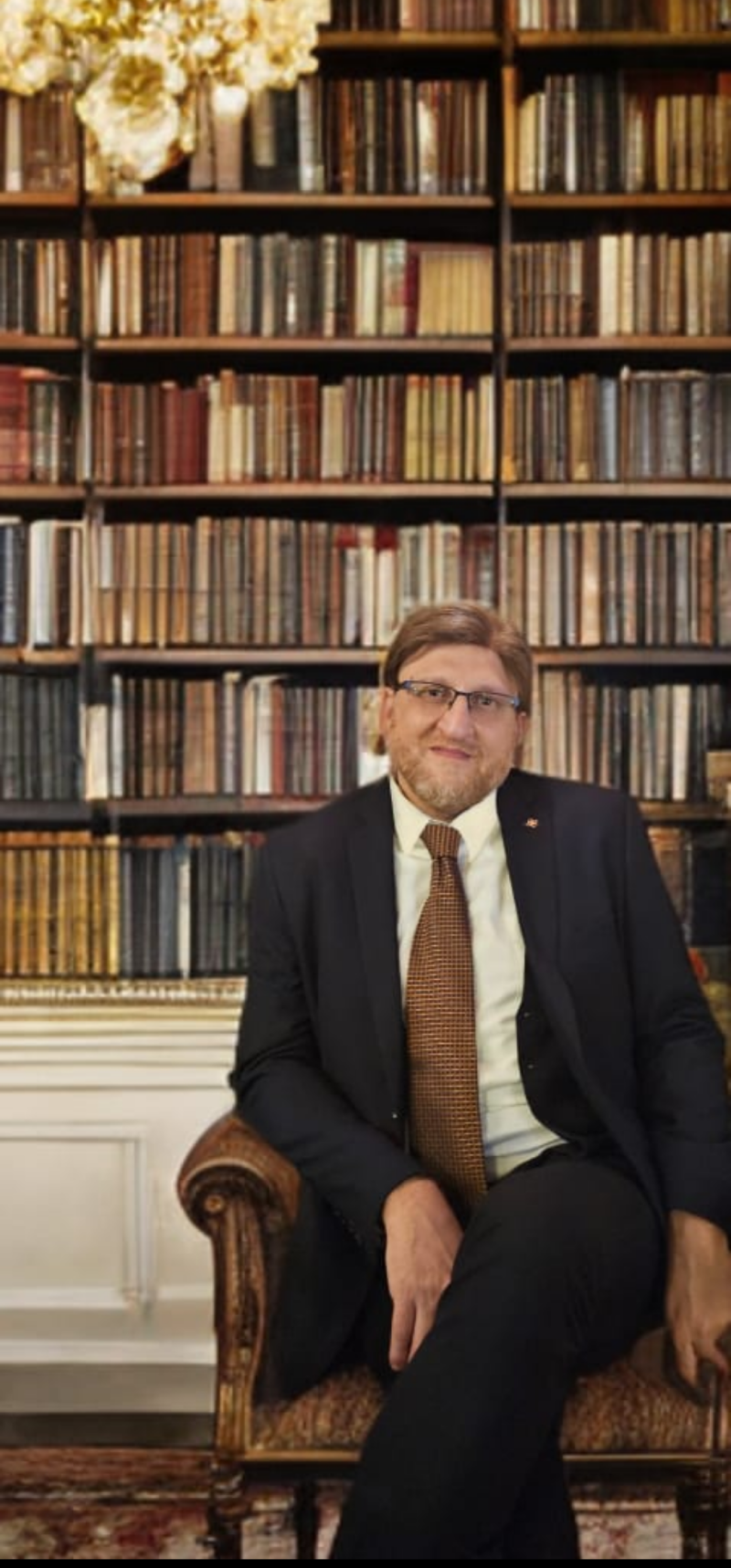
الدولة ليست قبيلة ولا مذهبًا .. بل وطنا يليق بكرامتنا
بقلم م. عزام الحموي
منسق الكتلة الوطنية السورية
تراودني أسئلة كثيرة سأبدأ بها
لماذا المواطنة هي العقد المقدس الوحيد؟
كيف تحوّلت الدولة في بلدنا إلى غنيمة بيد الطائفة أو القبيلة أو الحزب؟
ولماذا تفشل الدولة حين تُبنى على الانتماءات الأولية بدلًا من العقد الاجتماعي؟
كيف تكون المواطنة أساسًا للعدالة والمساواة والاستقرار؟
ولماذا لا يمكن بناء سوريا جديدة دون تحطيم فكرة الدولة-الغنيمة؟
وهل ستكون سوريا القادمة دولة مواطنين أم دولة فئة؟
هل سنقبل أن تبقى الدولة غنيمة للأقوى والأكثر صخبًا؟
أم أننا سنبني دولة تُحترم فيها الحقوق وتُحترم فيها كل الانتماءات بغضّ النظر عن الدين أو المذهب؟
إن الوقت قد حان لنفكّر بعمق في مصير وطننا ونتساءل
هل سنسمح لأنفسنا بتكرار الأخطاء نفسها؟ أم سنسعى بجدية إلى بناء دولة لا تكون على هوى هذا المذهب أو تلك الطائفة بل على هوى العدالة والمساواة؟
في زمنٍ طالما كانت فيه الدولة مجرّد لعبة تتقاذفها أيدي الطوائف والقبائل وفي وقتٍ سعت فيه العديد من القوى لاستغلال الدين والمذهب لتحقيق مصالحها الخاصة لا بدّ أن نعود إلى جوهر الدولة الحديثة
فكلّما تشظّت الأوطان نادى أصحاب الامتيازات
احموا الطائفة دافعوا عن القبيلة لا تفرّطوا في المذهب...
وحين يعلو صوت العقل مطالبًا بدولة المواطنة يردّون عليه بسخرية
إنها أحلام ناعمة لا تليق بهذا الشرق القاسي
لكن الحقيقة أن ما مزّق سوريا وما دفعها إلى قاع الجحيم لم يكن الحلم بالمواطنة بل غيابها
الدولة ليست غنيمة ولا ميراثًا ليست حقًا إلهيًا لفئة دون أخرى ولا امتدادًا لقبيلة استوطنت الأرض أولًا
الدولة الحديثة إن لم تكن للجميع فإنها لا تصلح لأحد
وإن لم يُبْنَ عقدها على مبدأ المساواة فإنها تولد مريضة وتعيش خائفة وتموت على يد من أطعمتهم من جسدها باسم الولاء
في سوريا حوّل النظام الدولة إلى مزرعة
وأوهم طائفة أنها المالكة الحصرية بينما كان ينهشها باسم الحماية
وقبل النظام كانت الجماعات التقليدية ترى الدولة مجرّد ساحة لتوسيع النفوذ وفرض نمطها الثقافي على الجميع
وحين جاء الإسلام السياسي حمل لواء الدولة الإسلامية التي لا ترى المواطن بل ترى الناجي من النار... ومن خالفها فهو إما زنديق أو مرتد أو عميل
لكن الدولة لا تنجو حين تحكم بالهوية بل حين تحكم بالقانون
ولا تستقيم حين يكون الحاكم ابن الطائفة الأنقى أو حامل النسب الأشرف أو ممثل الأكثرية الصامتة بل حين يكون خادمًا لعقدٍ جمع الناس على أساس
الحق لا النسب الكفاءة لا القرب الصدق لا الانتماء
المواطنة ليست بدعة مستوردة من الغرب
بل خلاصٌ محلي من طاعون الانقسام
هي العقد الوحيد الذي يمكن أن يُبقي السوريين في وطنٍ واحد دون أن يشعر أيٌ منهم أنه ضيفٌ على خريطة الآخرين
لا نريد دولة تشبهنا في ديننا أو لغتنا أو ألبستنا نريد دولة نحترمها لأنها تحترمنا
نهابها لأنها لا تفرّق بيننا
نحبها لأنها لا تستبيحنا باسم الله أو باسم الأمن
من أجل سوريا لا نحتاج أن نتشابه بل أن نتساوى
ولا نحتاج أن نكون إخوة في المذهب
بل إخوة في الحقوق
هذه هي الدولة التي تستحق أن نموت من أجلها إن لزم
لكن الأهم… أن نعيش لأجلها
سوريا لن تكون لأحد حتى تكون للجميع
فلنكن نحن الجيل الذي يقرّر أن الدولة ليست قبيلة ولا مذهبًا بل هي عقدُ عدالةٍ بين مواطنين أحرار.
م. عزّام الحموي
The State Is Not a Tribe, Nor a Sect…
It Is a Homeland Worthy of Our Dignity
By Eng. Azzam Al-Hamwi
Member of the Syrian National Coalition
Many questions haunt me—let me begin with them:
Why is citizenship the only sacred contract?
How did the state in our country become spoils to be seized by a sect, a tribe, or a party?
And why does the state fail when it is built upon primordial loyalties instead of a social contract?
How can citizenship become the foundation of justice, equality, and stability?
And why is it impossible to build a new Syria without dismantling the idea of the state-as-spoils?
Will the coming Syria be a state of citizens, or a state of a single faction?
Will we accept that the state remains the booty of the loudest and most powerful?
Or will we build a state where rights are respected, where all affiliations are honoured—regardless of religion or sect?
The time has come to think deeply about the fate of our homeland, and to ask:
Will we permit ourselves to repeat the same mistakes?
Or will we seriously endeavour to build a state shaped not by the whims of this sect or that faction,
but by the imperatives of justice and equality?
In an era where the state has long been merely a ball tossed between the hands of sects and tribes,
at a time when many forces have sought to exploit religion and sectarianism to serve their own interests,
we must return to the essence of the modern state.
Whenever homelands fracture, the purveyors of privilege cry out:
Protect the sect! Defend the tribe! Do not surrender the denomination!
And whenever the voice of reason rises, demanding a state of citizenship,
they answer with mockery:
These are soft dreams, unsuited to this harsh East.
But the truth is that what tore Syria apart, what hurled it into the abyss of hell,
was not the dream of citizenship—but its absence.
The state is neither spoils nor inheritance.
It is not a divine right vested in one faction over another,
nor the extension of a tribe that first settled the land.
A modern state, if it is not for all, is fit for no one.
If its contract is not founded upon the principle of equality,
it is born sick, lives in fear, and dies at the hands of those it fed from its own flesh—in the name of loyalty.
In Syria, the regime turned the state into a farm.
It deluded one sect into believing it was the sole proprietor,
while devouring it in the name of protection.
And before the regime, traditional groups viewed the state as merely an arena
to expand their influence and impose their cultural mould upon everyone.
Then came political Islam, bearing the banner of the Islamic state—
a state that sees not the citizen, but the survivor of hellfire…
and whoever opposes it is either a heretic, an apostate, or an agent.
But the state does not survive when it governs by identity—
it survives when it governs by law.
It does not find its footing when the ruler is the son of the purest sect,
the bearer of the noblest lineage, the representative of the silent majority—
but rather when he is the servant of a contract that united the people
on the basis of right, not lineage;
competence, not proximity;
integrity, not affiliation.
Citizenship is not a foreign import, a Western innovation.
It is a local deliverance from the plague of division.
It is the only contract that can keep Syrians within a single homeland,
without any one of them feeling they are a guest upon the map of others.
We do not want a state that mirrors us in our religion, our language, or our garments.
We want a state we respect because it respects us.
We revere it because it does not discriminate among us.
We love it because it does not violate us—in the name of God, or in the name of security.
For the sake of Syria, we need not resemble one another—
we need to be equal.
We need not be brethren in sect—
but brethren in rights.
This is the state worth dying for, should it come to that.
But more importantly… it is the state worth living for.
Syria will belong to no one until it belongs to everyone.
Let us be the generation that decides:
the state is neither tribe nor sect—
it is a contract of justice between free citizens.
Eng. Azzam Al-Hamwi

حين يُستبدل الوطن بخيمة الغريب: الاستقواء بالخارج وخيانة البوصلة
حتى لا نضيع في دهاليز الشعارات ومزايدات الخنادق نبدأ من البداهة الأولى:
وحدة البلاد واستقلالها أولًا وأبدًا
لا حرية تُولد على فوهة دبابة أجنبية ولا كرامة تُصنع في دهاليز السفارات
لا وطن يُبنى على أكتاف الجيوش الغازية ولا تحرر يُستورد عبر حدود مغلقة
نختلف؟ نعم نتجادل؟ طبيعي
فذلك من سنن الحياة السياسية
أما أن نستدعي الغريب لحسم خلافاتنا فذاك انتحار جماعي لا مشروع تحرر
المطالبة بحقوق الأكراد حقٌ راسخ في وجدان الدولة العادلة
لكن تحويل هذه الحقوق إلى مشروع قومي انفصالي هو فتنة تمزق نسيج الوطن
تمثيل الأقليات عدالة أما تفكيك الدولة فخيانة للهوية المشتركة
الدفاع عن المرأة والطفل شرف أما انهيار البلاد فهو ثمنٌ باهظ نُسدده كل مرة على مذبح الارتجال
حرية التعبير والكلام وحتى الشتم شيء...
لكن الارتهان للغريب شيء آخر تمامًا
حذاري أن تخلقوا المبررات الواهية لتقسيم البلاد أو اختراقها عسكريًا
بحجج تبدو نبيلة لكنها تُخفي مشاريع استعمار ناعم
البلد أولًا وثانيًا وثالثًا…
ثم تأتي مصالح الأفراد والطائفة والقبيلة والحزب
ففي زمن تشظّي الخرائط وضياع البوصلة لم يعد الوطن خيمة واحدة
بل بات صورًا تتقاذفها نشرات الأخبار
وأوراقًا في جيوب الغرباء
وصدىً لمصالح لا تُشبهنا تُصاغ في الفنادق لا من رحم الأرض
صار بعضنا يفاوض على مستقبل البلاد كما يُساوم في سوق الصفقات العقارية:
هذا يمد يده لأنقرة وذاك يتوسل واشنطن
وثالث يستقوي بتل أبيب ورابع يتسكع في أروقة السفارات
وكأن الوطنية لا تُولد من الأرض بل تُشحن من الخارج كما تُشحن البضائع المؤقتة
لكن ما الذي أوصلنا إلى هذا الدرك؟
الخوف؟
العجز؟
انسداد الأفق؟
ربما جميعها وربما كان الوطن قد أرهقته خيباتنا وخيانتنا له باسم "النجاة"
يقول البعض إن السياسة "فن الممكن"
لكن الممكن لا يعني الخضوع
ولا أن تتحول المعارضة إلى أدوات مستأجرة لمشاريع لا تمتّ لتاريخنا أو جغرافيتنا بصلة
وهنا وجب أن ننتقد لأننا نريد الأفضل
لو أن الدولة فتحت ذراعيها للمعارضة كما تفتح الأرض ذراعيها للمطر
لما اضطر المعارض إلى الاحتماء بخيمة الغريب
لو أن من يحكم صدّق أن المعارض شريك لا عدو
لما امتلأت الشوارع بالغرباء
في الدولة الوطنية لا تحتاج المعارضة إلى جواز سفر
بل إلى منبرٍ آمن إلى أذنٍ صاغية لا عين راصدة
إلى دستورٍ يسع الجميع لا نصٍ يُقصي باسم الطاعة
إن أخطر ما نواجهه اليوم ليس القتل ولا الجوع ولا الشتات
بل أن نفقد البوصلة أن نصير وكلاء لأوهام كبرى لا تنتمي لنا
أن نستبدل الحلم الوطني بمشاريع الآخرين
وأن نستورد بوصلة لا تُشير إلى دمشق
وكلما غاب الوطن الحقيقي ازدهرت الأوطان الوهمية
وكلما سُحقت المعارضة في الداخل انتعش مقاولو المعارضة في الخارج
لهذا نناشد الدولة الجديدة:
أن تضع الحرية قبل الطمأنينة
والمعارضة قبل الإجماع
والتعددية قبل الشعار
وأن تكتب دستورها بأقلام كل أبنائها لا على مقاس المنتصر
فالوطن الحقيقي ليس اتفاقًا على كل شيء
بل هو الحق في أن نختلف دون أن نُقتل
أن نحتج دون أن نُتّهم
أن نحاور دون أن يُسأل أحدنا عن طائفته أو انتمائه
آن للدولة أن تكبر لا بالقوة بل بالثقة
أن تؤمن أن المعارضة شرفٌ لا لعنة
وأن من يحمي الكلمة اليوم هو من سيحمي الوطن غدًا
وليكن بعلم الجميع لم نُهزم حين خسرنا معركة بل حين صدّقنا أن الخلاص لا يُولد من بين أيدينا
ولذلك فإن أولى خطوات النهوض هي أن نُعيد تعريف الخلاص:
لا كهدية من قوى كبرى بل كحقٍ نستحقه حين نستعيد الثقة بأنفسنا
ونُعيد البوصلة إلى قلب الوطن.
م. عزام الحموي
When the Homeland Is Replaced by the Stranger's Tent:
Appealing to Foreign Powers and the Betrayal of the Compass
Lest we lose ourselves in the labyrinths of slogans and the one-upmanship of trenches,
let us begin with the first, most self-evident truth:
The unity of the country and its independence come first, always and forever.
No freedom is born from the barrel of a foreign tank,
no dignity is forged in the corridors of embassies.
No homeland is built upon the shoulders of invading armies,
and no liberation is imported through sealed borders.
We disagree? Yes.
We argue? Naturally.
This is among the norms of political life.
But to summon the stranger to settle our disputes—
that is collective suicide, not a liberation project.
Demanding Kurdish rights is a deeply rooted right
in the conscience of any just state.
But transforming these rights into a separatist nationalist project
is a sedition that tears the fabric of the homeland.
Representation of minorities is justice;
dismantling the state is a betrayal of our shared identity.
Defending women and children is honour;
but the collapse of the nation is a heavy price
we pay time and again on the altar of improvisation.
Freedom of expression, of speech—even of insult—is one thing…
But mortgaging oneself to the foreigner is something else entirely.
Beware of fabricating flimsy justifications
to partition the country or breach it militarily,
under the guise of noble causes that mask projects of soft colonialism.
The country comes first, second, and third…
Only then come the interests of individuals, sects, tribes, and parties.
In an age of fragmented maps and a lost compass,
the homeland is no longer a single tent.
It has become images tossed between news bulletins,
papers in the pockets of strangers,
and echoes of interests that do not resemble us—
drafted in hotel lobbies, not born from the womb of the land.
Some among us now negotiate the future of the country
as if haggling in a real estate bazaar:
One extends his hand to Ankara,
another grovels before Washington,
a third seeks strength from Tel Aviv,
and a fourth loiters in the corridors of embassies—
as if patriotism is not born from the earth,
but imported from abroad like contraband goods.
But what brought us to this nadir?
Fear?
Helplessness?
A horizon sealed shut?
Perhaps all of these. And perhaps the homeland,
exhausted by our betrayals committed in the name of "survival."
Some say politics is "the art of the possible."
But the possible does not mean submission,
nor does it mean transforming the opposition
into rented instruments for projects
with no connection to our history or geography.
And here we must offer critique—because we desire what is better.
Had the state opened its arms to the opposition
as the earth opens its arms to rain,
no opponent would have been forced to seek shelter in the stranger's tent.
Had those in power truly believed the opposition is a partner, not an enemy,
the streets would not have filled with strangers.
In a national state, the opposition needs no passport—
only a safe platform, a listening ear, not a surveilling eye.
A constitution that accommodates all,
not a text that excludes in the name of obedience.
The gravest danger we face today is not killing,
nor hunger, nor diaspora—
but the loss of the compass.
That we become agents for grand illusions that do not belong to us.
That we trade the national dream for the projects of others.
That we import a compass that does not point toward Damascus.
And whenever the true homeland recedes,
illusory homelands flourish.
Whenever the opposition is crushed within,
contractor-oppositionists thrive abroad.
For this reason, we appeal to the new state:
Place freedom before reassurance,
the opposition before consensus,
pluralism before slogans.
Write your constitution with the pens of all your children—
not tailored to the measure of the victor.
For the true homeland is not agreement on everything.
It is the right to differ without being killed,
to protest without being accused,
to engage in dialogue without anyone being asked
about their sect or affiliation.
It is time for the state to grow—
not through force, but through trust.
To believe that the opposition is an honour, not a curse.
And that whoever protects the word today
will be the one to protect the homeland tomorrow.
And let it be known to all:
We were not defeated when we lost a battle—
but when we convinced ourselves that salvation
could not be born from our own hands.
Therefore, the first step toward recovery
is to redefine salvation:
Not as a gift from great powers,
but as a right we earn the moment we reclaim trust in ourselves—
and restore the compass to the heart of the homeland.
Eng. Azzam Al-Hamwi

أيها الناس
أيها الناس..
خفّفوا ضرب الحديد
فقلوبنا ألين من المسامير..
لا تدقّوا هذا العدد من النعوش دفعةً واحدة..
اتركوا لنا خشبةً واحدة
نتكئ عليها ونحن نبكي..
كفى نحتاً في الرخام
فوجوهنا صارت تماثيل من شدّة الصمت..
أخرسوا قليلاً..
فالرصاص لا يحتاج موسيقى.
علّموا أطفالكم إيقاعاً آخر
إيقاع قلبٍ لا يرتجف كلما سمع نشيداً..
نادوا على الفجر بهدوء
فالوطن لم ينم منذ سنوات..
لا تصرخوا بأسماء بضائعكم
فنحن نعرف أثمان الأشياء
ولا نعرف ثمن حياتنا.
اخفضن أصواتكنّ..
فالوطن أرهقته الخصومات الصغيرة..
وهو بالكاد يتنفّس.
أطفئوا محركاتكم قليلاً
فالدخان يختلط بأنفاسه الأخيرة.
لا تنظّموا السير..
نظّموا الفوضى في صدورنا.
كفّوا عن الهتاف
فالمباراة الوحيدة التي خسرناها
هي حياتنا.
أعيدوا الكلمات إلى أفواهكم
فالوطن لا يحتاج خطبةً جديدة
بل ضمادة..
انظروا إلى الأرصفة
إنها أقدم من عجلاتكم
وأصدق من مراياكم
اخفضوا أصواتكم…
سيروا على رؤوس أقدامكم
تخاطبوا همساً
فالوطن يموت..
لا تُغنّوا له الآن..
ولا ترفعوا الأعلام فوق سريره
اتركوا له نافذةً مفتوحة
يدخل منها بعض الهواء..
وإذا سألتم:
من قتله؟
فلا تشيروا بأصابعكم بعيداً
انظروا إلى أيديكم
ستجدون عليها
آثار التصفيق..
م. عزام الحموي
O People
O people…
Strike the iron more gently—
Our hearts are softer than nails.
Do not hammer out so many coffins all at once…
Leave us one single plank of wood
To lean on as we weep.
Enough carving in marble—
Our faces have become statues from too much silence.
Be silent for a while…
Bullets need no music.
Teach your children a different rhythm—
The rhythm of a heart that does not tremble
Whenever it hears the anthem.
Call upon the dawn softly—
The homeland has not slept for years.
Do not shout the names of your wares—
We know the price of things,
But not the price of our own lives.
Lower your voices, women—
The homeland is exhausted by petty quarrels…
It can barely breathe.
Turn off your engines for a while—
The smoke mingles with its final breath.
Do not organize the traffic—
Organize the chaos in our chests.
Stop chanting—
The only match we have lost
Is our lives.
Put the words back in your mouths—
The homeland needs no new speech,
Just a bandage.
Look at the pavements—
They are older than your wheels,
And truer than your mirrors.
Lower your voices…
Walk on the tips of your toes,
Speak in whispers—
The homeland is dying…
Do not sing to it now…
Do not raise flags above its bed.
Leave it one open window
For some air to enter.
And if you ask:
Who killed it?
Do not point your fingers far away—
Look at your hands,
You will find on them
The traces of applause.
M. Azzam Al-Hamwi

Engage, question, choose
Our aim is not to present you with ready-made opinions or dogmatic views. Instead, these political articles are crafted to ignite your critical thinking, to encourage doubt, and to provoke deep questioning. We challenge you to consciously choose your ethical stance, guided by conviction rather than fear, and to actively participate in shaping a more just future.