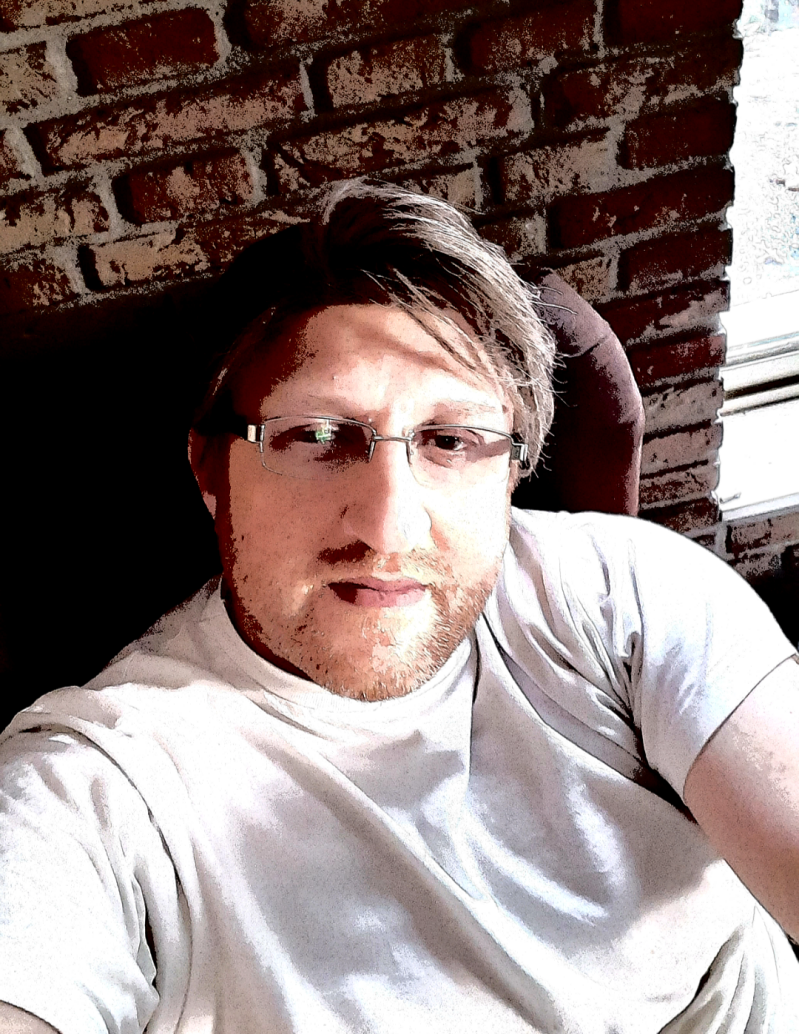
About Azzam Alhamwi
Introducing Azzam Alhamwi, a dedicated Syrian political activist and thinker, whose journey began with the Syrian popular uprising. Discover his unwavering commitment to freedom, human dignity, and the establishment of a democratic, civil state.

سرديتي النضالية
البداية: حين يصبح الصمت جريمة
لم أختر أن أكون ناشطاً سياسياً. لم يكن طريقي مخططاً له في يوم من الأيام. لكن الثورة السورية علمتني أن الصمت في وجه الظلم ليس خياراً، بل هو انتحار أخلاقي بطيء.
عندما انطلقت الثورة السورية في 2011، وجدت نفسي أمام سؤال وجودي: من أنت إن وقفت متفرجاً على جريمة بحجم وطن؟ كان الجواب واضحاً: إما أن أكون جزءاً من الحل، أو أتحمل وزر التواطؤ الصامت. لم أتردد طويلاً.
الطريق: من التنسيق الميداني إلى التنظيم السياسي
بدأت رحلتي حيث يبدأ أي عمل حقيقي: في الشارع، بين الناس، تحت وابل الرصاص وقنابل الغاز.
عملت على تنسيق المظاهرات وتنظيم الاحتجاجات السلمية، لأنني آمنت بأن صوت الشارع حين يكون نقياً وحقيقياً، يصبح أقوى من أي سلاح. لم أكن وحدي، كنا آلافاً نحلم بوطن مختلف.
مع تصاعد الثورة وتعقيد المشهد، انتقلت إلى العمل التنظيمي الأوسع. أصبحت نائباً في المؤتمر الثوري العام بإعزاز، حيث تعلمت أن الثورة تحتاج إلى رؤية كما تحتاج إلى دماء. تحتاج إلى سياسة كما تحتاج إلى تضحيات. تحتاج إلى بناء كما تحتاج إلى هدم.
ثم كان التأسيس: الكتلة الوطنية السورية. لم تكن مجرد حزب أو تنظيم، بل كانت محاولة لحشد القوى الوطنية والمعتدلة نحو حلم الدولة العلمانية الديمقراطية. كانت رهاناً على أن سوريا الغد يجب أن تقوم على العدالة والمساواة، لا على الطائفية والاستبداد.
الرفيق الأقرب: الكلمة
في خضم هذا كله، كانت الكتابة رفيقتي الدائمة، سلاحي الأكثر فتكاً بالظلام.
لم أكتب يوماً بحثاً عن شهرة. كتبت لأن الكلمة كانت الوسيلة الوحيدة لتحويل الألم الفردي إلى وعي جمعي. كتبت لأن التوثيق ليس رفاهية، بل هو واجب أخلاقي تجاه من سقطوا وتجاه من سيأتون.
"أبناء الوحل" كانت البداية: محاولة لالتقاط التفاصيل الإنسانية التي تضيع في زحام السياسة الكبرى.
ثم جاء "وطن على شكل مقبرة" ليختتم مرحلة ويبدأ أخرى. هذا الكتاب هو ابني الذي حملته تسع سنوات من الحرب والتهجير والألم. هو مرآة سوريا كما رأيتها: وطن يتحول إلى مقبرة، لكنه يظل وطناً. يظل حلماً لا يموت.
ما زلت هنا
الآن، بعد كل هذه السنوات، ما زلت هنا. ربما خسرنا المعركة، لكن الرهان على المستقبل لم ينته.
أنا هنا لأن الانتصار الحقيقي للثورة ليس في سقوط نظام، بل في انتصار قيم الحرية والكرامة في الوعي الجمعي لشعبها. النظام قد يسقط غداً أو بعد غد، لكن بناء الإنسان الحر يحتاج إلى عقود.
أنا هنا لأن الكلمة والحرية الفكرية هما أداتا التغيير الوحيدتان القادرتان على بناء ما لا تستطيع البنادق هدمه.
أنا هنا لأنني أؤمن بأن مجتمعاً مدنياً راقياً، قائماً على العلمانية والعدالة والمساواة، هو السبيل الوحيد لسوريا تستحق أن نعيش فيها، لا أن نموت من أجلها فقط.
رسالتي إليك
إذا وصلت إلى هنا، فأنت لست قارئاً عابراً. أنت شريك في هذا الحلم.
هذه الصفحة ليست أرشيفاً لماضٍ انتهى، بل هي مساحة مفتوحة للحوار والتفكير الحر. هي محاولة مستمرة لفضح آليات الظلم والتطرف أياً كان مصدرها. هي صوت من سوريا، يحاول أن يقول للعالم: نحن هنا، لم نرحل، لن نرحل.
الكلمة التي تقرأها الآن هي جزء من معركة. وحضورك هنا هو جزء من النصر.
عزام الحموي
ناشط سياسي.. كاتب.. حالم بوطن
My Struggle Narrative
The Beginning: When Silence Becomes a Crime
I did not choose to be a political activist. My path was never planned. But the Syrian revolution taught me that silence in the face of injustice is not an option—it is slow moral suicide.
When the Syrian revolution erupted in 2011, I found myself facing an existential question: Who are you if you stand by as a spectator to a crime the size of a homeland? The answer was clear: either be part of the solution, or bear the burden of complicit silence. I did not hesitate for long.
The Path: From Field Coordination to Political Organization
My journey began where any real work begins: in the street, among the people, under a hail of bullets and tear gas canisters.
I worked to coordinate demonstrations and organize peaceful protests because I believed that when the voice of the street is pure and genuine, it becomes stronger than any weapon. I was not alone—we were thousands, dreaming of a different homeland.
As the revolution escalated and the scene grew more complex, I moved into broader organizational work. I became a deputy in the General Revolutionary Congress in Azaz, where I learned that revolution needs vision as much as it needs blood. It needs politics as much as it needs sacrifice. It needs construction as much as it needs demolition.
Then came the founding: The Syrian National Bloc. It was not merely a party or an organization, but an attempt to rally national and moderate forces toward the dream of a secular, democratic state. It was a bet that tomorrow's Syria must be built on justice and equality, not on sectarianism and tyranny.
The Closest Companion: The Word
Amidst all of this, writing was my constant companion, my weapon most lethal to darkness.
I never wrote seeking fame. I wrote because the word was the only way to transform individual pain into collective consciousness. I wrote because documentation is not a luxury—it is a moral duty toward those who fell and toward those who will come.
"Children of the Mud" was the beginning: an attempt to capture the human details that get lost in the clamor of grand politics.
Then came "A Homeland Shaped Like a Graveyard" to close one chapter and open another. This book is my child, carried through nine years of war, displacement, and pain. It is the mirror of Syria as I saw it: a homeland transforming into a graveyard, yet still a homeland. Still a dream that refuses to die.
I Am Still Here
Now, after all these years, I am still here. Perhaps we lost the battle, but the bet on the future is not over.
I am here because the true victory of a revolution is not the fall of a regime, but the triumph of the values of freedom and dignity in the collective consciousness of its people. The regime may fall tomorrow or the day after, but building the free human being takes decades.
I am here because the word and intellectual freedom are the only tools of change capable of building what guns cannot destroy.
I am here because I believe that a refined civil society, founded on secularism, justice, and equality, is the only path to a Syria worth living in—not merely dying for.
My Message to You
If you have reached here, you are not a passing reader. You are a partner in this dream.
This page is not an archive of a past that has ended. It is an open space for dialogue and free thought. It is an ongoing attempt to expose the mechanisms of injustice and extremism, regardless of their source. It is a voice from Syria, trying to tell the world: We are here. We did not leave. We will not leave.
The words you are reading now are part of a battle. And your presence here is part of the victory.
Azzam Al-Hamwi
Political activist.. Writer.. Dreamer of a homeland
---

A voice for freedom and dignity
Azzam Alhamwi emerged as a leading voice in the Syrian popular movement, advocating fiercely for the rights of the people and a future built on democracy and human dignity. His commitment to peaceful activism led him to coordinate grassroots efforts and serve as a deputy in the General Revolutionary Conference in Azaz.
سردية النشاطات: في قلب العمل الوطني
---
النشاط الميداني: جذور الوجود في الشارع
بدأ نشاطي العملي حيث يبدأ أي تغيير حقيقي: في الشارع، بين الناس، في قلب الحدث.
في اللحظات الأولى لانطلاق الثورة السورية، لم أكن مراقباً من بعيد. كنت في الصفوف الأولى، أنظم المسيرات، وأنسق تحركات المحتجين، وأعمل على حماية السلمية كخيار استراتيجي لا كشعار. تعلمت في تلك الأيام أن النشاط الحقيقي ليس في الخطابات، بل في القدرة على تنظيم آلاف البشر ليهتفوا بصوت واحد دون أن يضربوا أحداً.
نشاطاتي الميدانية شملت:
· تنظيم وتنسيق المظاهرات الشعبية في المدن والبلدات.
· العمل على حماية المسيرات من الاختراقات الأمنية والتأثيرات الطائفية.
· بناء شبكات تواصل ميدانية تربط بين مختلف نقاط الاحتجاج.
· توثيق الانتهاكات ونقل شهادات المواطنين للعالم.
النشاط التنظيمي والسياسي: بناء المؤسسات في زمن الفوضى
مع تطور الثورة، أدركت أن النشاط الميداني وحده لا يكفي. كان لا بد من بناء هياكل تنظيمية قادرة على ترجمة زخم الشارع إلى برنامج سياسي.
توليت منصب نائب في المؤتمر الثوري العام بإعزاز، حيث شاركت في:
· وضع رؤى سياسية للمرحلة الانتقالية.
· التنسيق بين الفصائل والقوى المدنية لخلق توازن في المشهد.
· المساهمة في إدارة الخلافات الداخلية وحلها عبر الحوار.
· بناء علاقات مع منظمات المجتمع المدني الدولية والإقليمية.
ثم كان التأسيس: الكتلة الوطنية السورية
لم يكن تأسيس الكتلة مجرد مشروع حزبي، بل كان محاولة جادة لخلق إطار جامع للقوى الوطنية والمعتدلة. عملت على:
· حشد الكفاءات الوطنية المستقلة في إطار واحد.
· صياغة برنامج سياسي واضح يقوم على العلمانية والعدالة والمساواة.
· بناء تحالفات مع قوى المعارضة المدنية والديمقراطية.
· تمثيل الكتلة في المحافل السياسية والإعلامية.
النشاط الفكري والإعلامي: الكلمة كفعل مقاوم
منذ البداية، آمنت بأن التوثيق والكتابة هما جزء أصيل من النشاط السياسي، لا مجرد ترف ثقافي.
في الإعلام:
· مشاركات مستمرة في قنوات تلفزيونية وإذاعية عربية ودولية، لتقديم تحليلات معمقة حول الشأن السوري.
· ظهور في برامج بودكاست وحوارات مطولة تتيح مساحة للنقاش العميق بعيداً عن الاختزال الإعلامي.
· كتابة مقالات رأي وتحليلات سياسية في منصات وصحف عربية رصينة.
في التوثيق:
· العمل على توثيق يوميات الثورة السورية من منظور إنساني.
· جمع شهادات المواطنين والنشطاء حول انتهاكات حقوق الإنسان.
· المساهمة في تقارير حقوقية موجهة للمنظمات الدولية.
النشاط الإنساني والمجتمعي: لا سياسة بلا إنسان
إلى جانب السياسي، كان للإنساني حيز كبير في نشاطاتي.
· المشاركة في مبادرات إغاثية للمتضررين من الحرب.
· العمل على دعم قضايا المرأة والشباب في المجتمعات المحلية.
· المساهمة في مشاريع تهدف للحفاظ على النسيج الاجتماعي ومنع التفكك الطائفي.
· إقامة جلسات حوارية ومجتمعية لمناقشة سبل المصالحة والعدالة الانتقالية.
النشاط الأدبي: حين يكون الإبداع واجباً وطنياً
لم تكن الكتابة الأدبية مجرد هواية، بل كانت امتداداً للنشاط السياسي بوسائل أخرى.
· "أبناء الوحل": رواية توثق التفاصيل الإنسانية الصغيرة التي تضيع في خضم الأحداث الكبرى.
· "وطن على شكل مقبرة": كتاب يجمع بين التحليل السياسي والشهادة الإنسانية، ويحاول الإجابة عن سؤال: كيف يتحول الوطن إلى مقبرة، وكيف يظل مع ذلك وطناً؟
· مقالات أدبية وفكرية تنشر بشكل دوري، تحاول تفكيك الواقع السوري والبحث عن مخرج.
النشاط الحالي والمستقبلي: الاستمرار رغم كل شيء
الآن، وبعد كل هذه السنوات، لا يزال النشاط مستمراً. ليس لأن الظروف تغيرت، بل لأن الالتزام لم يتغير.
· العمل على ترجمة الأعمال الفكرية إلى لغات عالمية لنقل الصوت السوري إلى جمهور أوسع.
· بناء منصات رقمية للحوار والتفكير الحر بعيداً عن ضجيج الحرب وخطاب الكراهية.
· المشاركة في مؤتمرات وندوات دولية لمناقشة مستقبل سوريا والمنطقة.
· الإعداد لأعمال أدبية وفكرية جديدة تواكب تطورات المشهد السوري.
لماذا أواصل؟
أواصل لأن النشاط الحقيقي ليس موسمياً. ليس رهناً بانتصار هنا أو هزيمة هناك.
أواصل لأن كل خطوة صغيرة نحو الحرية والعدالة هي انتصار في حد ذاتها.
أواصل لأن الذين سقطوا يستحقون أن نكمل الطريق.
أواصل لأن سوريا التي نحلم بها، رغم أنها تبدو بعيدة، تبدأ من اللحظة التي نرفض فيها الاستسلام.
نشاطاتي ليست سيرة ذاتية للتباهي. هي شهادة على أن الإنسان يمكنه أن يصنع فرقاً، حتى في أحلك الظروف. وهي دعوة مفتوحة لكل من يقرأ: انضم، شارك، كن جزءاً من الحلم.
A Narrative of Activities: At the Heart of National Work
Field Activity: The Roots of Presence in the Street
My practical activity began where any real change begins: in the street, among the people, at the heart of the event.
In the earliest moments of the Syrian revolution's outbreak, I was not a distant observer. I was in the front lines, organizing marches, coordinating the movements of protesters, and working to protect peaceful protest as a strategic choice, not merely a slogan. In those days, I learned that true activism is not found in speeches, but in the ability to organize thousands of people to chant with one voice without striking anyone.
My field activities included:
· Organizing and coordinating popular demonstrations in cities and towns.
· Working to protect marches from security infiltrations and sectarian influences.
· Building field communication networks linking various protest hubs.
· Documenting violations and conveying citizens' testimonies to the world.
Organizational and Political Activity: Building Institutions in Times of Chaos
As the revolution evolved, I realized that field activity alone was not enough. It was necessary to build organizational structures capable of translating the momentum of the street into a political program.
I assumed the position of Deputy in the General Revolutionary Congress in Azaz, where I participated in:
· Developing political visions for the transitional period.
· Coordinating between factions and civil forces to create balance in the scene.
· Contributing to the resolution of internal disputes through dialogue.
· Building relationships with international and regional civil society organizations.
Then came the founding: The Syrian National Bloc
The founding of the Bloc was not merely a partisan project, but a serious attempt to create an inclusive framework for national and moderate forces. I worked on:
· Rallying independent national competencies within a single framework.
· Formulating a clear political program based on secularism, justice, and equality.
· Building alliances with civil and democratic opposition forces.
· Representing the Bloc in political and media forums.
Intellectual and Media Activity: The Word as an Act of Resistance
From the beginning, I believed that documentation and writing are an integral part of political activity, not merely a cultural luxury.
In Media:
· Ongoing participation in Arab and international television and radio channels, providing in-depth analyses of Syrian affairs.
· Appearances on podcasts and extended interviews that allow space for deep discussion away from media oversimplification.
· Writing opinion pieces and political analyses in reputable Arab platforms and newspapers.
In Documentation:
· Working to document the daily life of the Syrian revolution from a human perspective.
· Collecting testimonies from citizens and activists regarding human rights violations.
· Contributing to human rights reports directed at international organizations.
Humanitarian and Community Activity: No Politics Without Humanity
Alongside the political, the humanitarian occupied a significant space in my activities.
· Participating in relief initiatives for those affected by the war.
· Working to support women's and youth issues in local communities.
· Contributing to projects aimed at preserving the social fabric and preventing sectarian disintegration.
· Holding dialogue and community sessions to discuss paths toward reconciliation and transitional justice.
Literary Activity: When Creativity Becomes a National Duty
Literary writing was never merely a hobby; it was an extension of political activity through other means.
· "Children of the Mud": A novel documenting the small human details lost amidst major events.
· "A Homeland Shaped Like a Graveyard": A book combining political analysis and human testimony, attempting to answer the question: How does a homeland transform into a graveyard, and yet, despite that, remain a homeland?
· Literary and intellectual essays published periodically, attempting to deconstruct the Syrian reality and search for a way out.
Current and Future Activity: Continuing Despite Everything
Now, after all these years, the activity continues. Not because circumstances have changed, but because the commitment has not.
· Working on translating intellectual works into world languages to carry the Syrian voice to a broader audience.
· Building digital platforms for dialogue and free thought, away from the noise of war and hate speech.
· Participating in international conferences and seminars to discuss the future of Syria and the region.
· Preparing new literary and intellectual works that keep pace with the evolving Syrian scene.
Why Do I Continue?
I continue because true activism is not seasonal. It is not contingent on a victory here or a defeat there.
I continue because every small step toward freedom and justice is a victory in itself.
I continue because those who fell deserve that we complete the path.
I continue because the Syria we dream of, though it may seem distant, begins the moment we refuse to surrender.
My activities are not a biography for boasting. They are a testament that a human being can make a difference, even in the darkest of circumstances. And they are an open invitation to everyone who reads: Join, participate, be part of the dream.

رؤيتي للعالم: إيمان بالتعددية وأخوة الإنسانية
---
الإنسان أولاً
في عالم يموج بالصراعات والانقسامات، اخترت أن أؤمن بفكرة بسيطة لكنها ثورية: أن الإنسان، أي إنسان، هو القيمة العليا.
لم أتعلم هذا من الكتب فقط، بل من رائحة الشوارع التي مزقتها الحرب، ومن عيون الأطفال الذين لا يفرقون بين طائفة وأخرى عندما يبحثون عن مأوى. تعلمته عندما رأيت المسيحي يحمي جاره المسلم، والعلوي ينزف دفاعاً عن حي سُني، والكردي والتركماني والعربي يصطفون في طوابير الموت ذاتها.
---
التعددية: ليست تسامحاً بل غنى
لا أؤمن بالتعددية كـ"تسامح" مع الآخر، كأننا نمنحه فضلاً من عندنا. أؤمن بالتعددية كحقيقة وجودية، وكركيزة أساسية لكينونة هذا الوطن.
سوريا لم تكن وطناً موحداً رغم تنوعها، بل كانت وطناً متنوعاً لأنها كانت موحدة في إنسانيتها. كل محاولة لصهر هذا التنوع في بوتقة واحدة هي اغتيال للروح السورية الحقيقية.
تعلمت من تجربتي النضالية أن:
· الوحدة الحقيقية لا تعني التشابه، بل القدرة على العيش معاً رغم الاختلاف.
· الهوية الوطنية ليست هوية واحدة تعلو فوق الجميع، بل هي النسيج الذي يجمع الألوان المختلفة في لوحة واحدة.
· المواطنة هي الجامع الوحيد القادر على احتواء التنوع دون إلغائه.
---
الأخوة الإنسانية: ما يجمعنا أكثر مما يفرقنا
قبل أن أكون سورياً، قبل أن أكون عربياً، قبل أن أكون مسلماً أو علمانياً، أنا إنسان. وأنت إنسان. وهذا هو الرابط الأعمق بيننا.
في لحظات الحرب القاسية، رأيت أشياء جعلتني أؤمن بأن الأخوة الإنسانية ليست شعاراً مثالياً، بل هي واقع نلمسه حين تسقط الأقنعة:
· رأيت أمهات فقدن أبناءهن يبكين بنفس الطريقة، بغض النظر عن هوية من قتلهم.
· رأيت عمال إغاث يخاطرون بحياتهم لإنقاذ من لا يعرفون، فقط لأنهم بشر.
· رأيت أن الألم لغة واحدة، والحلم بوطن أمن لغة واحدة أيضاً.
أنا أؤمن بأن: الدم الذي يجري في عروقنا جميعاً هو أثمن من الدم الذي يُراق على الأرض. الكرامة الإنسانية لا تتجزأ: إذا انتهكت كرامة إنسان واحد في مكان ما، فهي منتهكة في كل مكان.
---
محاربة العنصرية: لأن التفوق وهم
العنصرية، بأشكالها كافة، هي العدو الأكثر غدراً لأنها تتسلل إلى العقول باسم الهوية وتسمم القلوب باسم الانتماء.
أنا لا أحارب العنصرية لأنها "غير أخلاقية" فقط، بل لأنها كذبة كبرى. لا يوجد عرق متفوق، ولا ثقافة نقية، ولا هوية أفضل من أخرى. التاريخ البشري كله هو قصة تداخل وتمازج وتأثير متبادل.
في سياقنا السوري والشرق أوسطي، العنصرية تتخذ أشكالاً متعددة:
· عنصرية طائفية تريد احتكار الحقيقة المطلقة.
· عنصرية قومية تتعالى على الآخرين.
· عنصرية عرقية ترفض المساواة الكاملة.
· عنصرية ثقافية تحتقر أنماط الحياة المختلفة.
موقفي واضح: كل إنسان، أياً كان لونه أو عرقه أو أصله، يستحق الاحترام والكرامة والمساواة الكاملة. لا يوجد بشر من الدرجة الثانية.
---
محاربة التطرف: لأن اليأس يولد الغلو
التطرف ليس وليد الفراغ. هو ابن اليأس، ونتاج الإحباط، وثمرة الظلم الطويل. لهذا، محاربة التطرف لا تكون بالقتال وحده، بل بزرع الأمل وبناء العدالة.
أؤمن أن:
· التطرف الديني يزدهر حيث تغيب المعرفة ويُحتكر النص.
· التطرف السياسي ينمو حيث تُغلق سبل المشاركة الحقيقية.
· التطرف الفكري ينتشر حيث تُمنع حرية التفكير والنقاش.
لذلك، نقدي للتطرف ليس نقداً سطحياً، بل هو نقد جذري لظروفه الاجتماعية والسياسية والاقتصادية. لا يمكن هزيمة التطرف دون بناء بديل مقنع: دولة تحترم مواطنيها، ومجتمع يتسع للجميع، وكرامة لا تُمس.
---
احترام الأديان: لأن الإيمان حرية
أنا علماني. وهذا يعني عندي شيئاً واحداً فقط: أن لا سلطان لرجال الدين على الدولة، ولا وصاية لأي دين على حرية المواطنين.
لكن العلمانية عندي ليست عداء للأديان، بل هي ضمان لحرية التدين وحرية عدم التدين معاً.
أحترم كل من يبحث عن الله بأي طريقة يختارها. أحترم المسلم في مسجده، والمسيحي في كنيسته، واليهودي في معبده، والبوذي في معبده، ومن لا يدين بأي دين في بحثه الصامت عن المعنى.
ما أرفضه هو استخدام الدين غطاءً للظلم، أو أداة للتكفير، أو وسيلة للتمييز. ما أرفضه هو تحويل الإيمان إلى سوط يُجلد به المخالفون.
---
محاربة الظلم: لأن الصمت تواطؤ
الظلم هو الوجه الآخر لكل ما ذكرت. هو النقيض المشترك للتعددية والإنسانية والعدالة.
في رحلتي النضالية، تعلمت أن:
· الظلم لا لون له ولا هوية: قد يأتي من نظام مستبد، أو من متطرف يلبس ثوب الدين، أو من قوى دولية تتاجر بدماء الشعوب.
· محاربة الظلم واجب إنساني قبل أن يكون واجباً وطنياً: لأن الظلم حيثما وقع، يجرح الإنسانية كلها.
· الحياد في مواجهة الظلم هو انحياز للظالم: لا يمكن أن تقف في المنتصف بين الجلاد والضحية.
لهذا، أنا مع المظلومين أينما كانوا.
مع كل إنسان يواجه الظلم مهما كان شكله.
الإنسان: قبل وبعد كل شيء
في النهاية، كل ما أؤمن به يمكن اختصاره في جملة واحدة:
الإنسان هو المعيار. الإنسان هو الغاية. الإنسان هو البداية والنهاية.
أنا أكتب وأناضل لأنني أؤمن أن:
· كل إنسان يولد حراً ومتساوياً في الكرامة والحقوق.
· كل إنسان له الحق في أن يكون مختلفاً دون أن يُعاقب على اختلافه.
· كل إنسان يستحق وطناً يحميه، لا وطناً يقتله.
· كل إنسان، بغض النظر عن دينه أو عرقه أو جنسه أو هويته، هو أخي في الإنسانية.
رسالتي
إذا كنت تؤمن بأن الاختلاف ليس عداوة، وأن التنوع ليس تهديداً، وأن الإنسان هو القيمة العليا، فأنت شريكي في هذه الرؤية.
هذه ليست مجرد كلمات أكتبها لصفحتي. هذه المبادئ التي تشكل كل كلمة أكتبها، وكل موقف أتخذه، وكل نشاط أقوم به. هي البوصلة التي توجهني في هذا العالم المعقد، وهي الأمل الذي يبقيني مستمراً رغم كل شيء.
عزام الحموي
إنسان.. ثم سوري.. ثم ناشط.. ثم كاتب
مؤمن بأن الإنسانية تجمعنا أكثر مما تفرقنا
My Vision of the World: Faith in Pluralism and the Brotherhood of Humanity
Humanity First
In a world seething with conflicts and divisions, I chose to believe in a simple yet revolutionary idea: that the human being—any human being—is the highest value.
I did not learn this from books alone, but from the smell of streets torn apart by war, and from the eyes of children who do not distinguish between one sect and another when they seek shelter. I learned it when I saw the Christian protecting his Muslim neighbor, the Alawite bleeding in defense of a Sunni neighborhood, and the Kurd, the Turkmen, and the Arab standing in the same lines of death.
Pluralism: Not Tolerance, but Wealth
I do not believe in pluralism as "tolerance" of the other, as if we are granting them a favor. I believe in pluralism as an existential truth, as a fundamental pillar of this homeland's very being.
Syria was not a unified homeland despite its diversity; rather, it was a diverse homeland because it was united in its humanity. Every attempt to melt this diversity into a single crucible is an assassination of the true Syrian spirit.
From my struggle experience, I learned that:
· True unity does not mean sameness, but the ability to live together despite difference.
· National identity is not a single identity that rises above everyone; rather, it is the fabric that gathers different colors into one painting.
· Citizenship is the only unifier capable of containing diversity without abolishing it.
Human Brotherhood: What Unites Us More Than What Divides Us
Before I am Syrian, before I am Arab, before I am Muslim or secular, I am a human being. And you are a human being. This is the deepest bond between us.
In the harsh moments of war, I saw things that made me believe that human brotherhood is not an idealistic slogan, but a reality we touch when masks fall:
· I saw mothers who lost their sons crying in the same way, regardless of the identity of the killer.
· I saw relief workers risking their lives to save people they did not know, simply because they were human.
· I saw that pain is one language, and the dream of a safe homeland is one language as well.
I believe that: the blood flowing in all our veins is more precious than the blood spilled on the ground. Human dignity is indivisible: if the dignity of one human being is violated somewhere, it is violated everywhere.
Combating Racism: Because Superiority is an Illusion
Racism, in all its forms, is the most treacherous enemy because it infiltrates minds in the name of identity and poisons hearts in the name of belonging.
I do not fight racism only because it is "immoral," but because it is a great lie. There is no superior race, no pure culture, no identity better than another. All of human history is a story of interweaving, fusion, and mutual influence.
In our Syrian and Middle Eastern context, racism takes multiple forms:
· Sectarian racism that seeks to monopolize absolute truth.
· Nationalist racism that looks down upon others.
· Ethnic racism that refuses full equality.
· Cultural racism that despises different ways of life.
My position is clear: every human being, regardless of their color, race, or origin, deserves full respect, dignity, and equality. There are no second-class humans.
Combating Extremism: Because Despair Breeds Radicalism
Extremism is not born in a vacuum. It is the child of despair, the product of frustration, and the fruit of prolonged injustice. Therefore, combating extremism is not achieved through fighting alone, but through sowing hope and building justice.
I believe that:
· Religious extremism flourishes where knowledge is absent and scripture is monopolized.
· Political extremism grows where paths to genuine participation are closed.
· Intellectual extremism spreads where freedom of thought and discussion is prevented.
Thus, my critique of extremism is not a superficial critique; it is a radical critique of its social, political, and economic conditions. Extremism cannot be defeated without building a convincing alternative: a state that respects its citizens, a society that accommodates everyone, and dignity that remains inviolable.
Respect for Religions: Because Faith is Freedom
I am secular. And this means, to me, only one thing: that religious authorities have no dominion over the state, and no religion has guardianship over the freedom of citizens.
But my secularism is not hostility towards religions; rather, it is a guarantee for the freedom of religiosity and the freedom of non-religiosity together.
I respect everyone who seeks God in whatever way they choose. I respect the Muslim in his mosque, the Christian in his church, the Jew in his synagogue, the Buddhist in his temple, and the non-religious in their silent search for meaning.
What I reject is the use of religion as a cover for injustice, a tool for excommunication, or a means of discrimination. What I reject is turning faith into a whip with which to flog dissenters.
Combating Injustice: Because Silence is Complicity
Injustice is the other face of everything I have mentioned. It is the common antithesis of pluralism, humanity, and justice.
In my struggle journey, I learned that:
· Injustice has no color and no identity: it may come from a tyrannical regime, from an extremist draped in religious garb, or from international powers trading in the blood of peoples.
· Combating injustice is a human duty before it is a national duty: because wherever injustice occurs, it wounds all of humanity.
· Neutrality in the face of injustice is bias towards the oppressor: you cannot stand in the middle between the executioner and the victim.
Therefore, I am with the oppressed wherever they are.
With every human being facing injustice, whatever its form.
The Human: Before and After Everything
In the end, everything I believe in can be summarized in one sentence:
The human is the measure. The human is the goal. The human is the beginning and the end.
I write and struggle because I believe that:
· Every human being is born free and equal in dignity and rights.
· Every human being has the right to be different without being punished for their difference.
· Every human being deserves a homeland that protects them, not a homeland that kills them.
· Every human being, regardless of their religion, race, gender, or identity, is my sibling in humanity.
My Message
If you believe that difference is not enmity, that diversity is not a threat, and that the human being is the highest value, then you are my partner in this vision.
These are not just words I write for my page. These are the principles that shape every word I write, every position I take, and every activity I undertake. They are the compass that guides me in this complex world, and they are the hope that keeps me going despite everything.
Azzam Al-Hamwi
Human.. Then Syrian.. Then Activist.. Then Writer
Believing that humanity unites us more than it divides us
Building a new syria
Recognizing the need for unified action, Azzam founded the "Syrian National Bloc," an essential initiative designed to unite national and moderate forces. This bloc aims to construct a new Syria grounded in the fundamental values of secularism, justice, and equality, fostering a society where all individuals are respected and empowered.
وطن يبنى بالمسؤولية: رؤيتي للحرية والقانون والإنسان
الوطن: ليس أرضاً فقط، بل مسؤولية
كثيرون يظنون أن الوطن مجرد أرض نعيش عليها، أو حدود نولد بينها، أو هوية نرثها عن آبائنا. لكنني، من خلال سنوات النضال والمعاناة، تعلمت أن الوطن الحقيقي يُبنى، لا يُورث.
الوطن ليس هبة تُمنح، بل هو مسؤولية تُحمل. هو بناء متواصل، لا يكتمل أبداً، يتطلب من كل جيل أن يضع حجراً جديداً فيه. من ظن أن الوطن جاهز في انتظاره، فقد أخطأ فهم الحياة. ومن ظن أن حب الوطن يعني التغني بماضيه فقط، فقد خسر مستقبله.
تعلمت في رحلتي النضالية أن:
· المواطن الحقيقي ليس من يهتف باسم الوطن، بل من يتحمل مسؤوليته تجاهه.
· البناء الحقيقي يبدأ من الفرد، من التزامه الأخلاقي، من شعوره بأنه جزء من كل.
· السقوط الأكبر ليس سقوط الأنظمة، بل سقوط الإحساس بالمسؤولية المشتركة.
الحرية: ليست أن تفعل ما تريد، بل أن تحترم ما يريد الآخرون
الحرية هي أكثر الكلمات التي أسيء فهمها في عالمنا. البعض يظنها فوضى، والبعض يظنها تفلتاً من كل قيد، والبعض يظنها حقاً بلا واجبات.
أما أنا، فأؤمن أن الحرية الحقيقية تبدأ حيث ينتهي أنف الآخر.
الحرية التي أعنيها هي:
· حرية مسؤولة: أن تكون حراً، لكنك تعرف أن حريتك تنتهي حيث تبدأ حرية الآخرين.
· حرية واعية: أن تختار ما تريد، لكنك تتحمل تبعات اختيارك.
· حرية محبة: أن تمارس حقك في الاختلاف، دون أن تكره من يختلف معك.
تعلمت من تجربتي أن أخطر ما يهدد المجتمعات ليس غياب الحرية وحده، بل فهم الحرية كترخيص للتعدي على الآخر. من يظن أنه حر لأن يشتم من يخالفه، أو يكفر من لا يوافقه، أو يلغي من يعارضه، فهو عبد لأهوائه، وليس حراً ولو رفع شعارات الحرية.
الآخر: مرآتي التي أرى نفسي فيها
لا يمكن أن أعرف من أنا، دون أن أعرف من هو الآخر. الآخر ليس عدواً يجب إلغاؤه، بل هو مرآة أرى فيها حدود نفسي.
في عالم يموج بالكراهية والاستقطاب، اخترت أن أؤمن بأن:
· الآخر مهما اختلف عني، يحمل في داخله إنسانية تشبه إنسانيتي.
· الاختلاف مع الآخر ليس حرباً، بل هو حوار يمكن أن يثري الطرفين.
· قبول الآخر ليس هزيمة لرأيي، بل هو انتصار لإنسانيتي المشتركة.
رأيت في الحرب كيف يتحول الجار إلى عدو لمجرد أنه يختلف في الطائفة أو العرق. ورأيت أيضاً كيف يمكن للحوار أن يعيد بناء الجسور التي دمرتها البنادق. تعلمت أن كراهية الآخر أسهل طريق لتدمير الذات.
القانون: الضامن الوحيد للجميع
في غياب القانون، يصبح القوي هو من يحدد الحق. يصبح من يملك السلاح، أو يملك المال، أو يملك النفوذ، هو صاحب الكلمة العليا.
أنا أؤمن أن القانون هو الضامن الوحيد للجميع. ليس لأن القانون كامل، بل لأنه البديل الأقل سوءً عن فوضى الغاب.
القانون الذي أعنيه:
· قانون عادل: لا يفرق بين مواطن وآخر، ولا يميز بين قوي وضعيف.
· قانون واضح: يعرفه الناس، ويفهمونه، ويعرفون حقوقهم وواجباتهم فيه.
· قانون نافذ: يطبق على الجميع، ولا يسقط أمام النفوذ أو المصالح.
تعلمت في رحلتي أن الشعوب لا تنتفض ضد القانون، بل ضد انعدام العدالة. القانون العادل يحمي الضعيف قبل القوي، ويمنع الظالم قبل أن يظلم، ويضمن للجميع حق المشاركة والاختلاف دون خوف.
لا يمكن تجاوز القانون: لأنه حماية للجميع
بعض الثوار يظنون أن الثورة تعني تجاوز القانون. بعض الناشطين يعتقدون أن المبادئ العليا تبرر خرق القوانين الوضعية.
أنا أختلف.
لا يمكن بناء وطن جديد على أنقاض القانون القديم، لأن الفوضى لا تبني وطناً. الثورة الحقيقية هي التي تخلق قانوناً أفضل، لا التي تلغي فكرة القانون ذاتها.
لا يمكن تجاوز القانون للأسباب التالية:
· القانون هو الضامن الوحيد للضعفاء: في غيابه، يلتهم الأقوياء حقوق الجميع.
· القانون هو لغة المجتمع المشتركة: بدونه، يصبح الحوار مستحيلاً.
· القانون هو حماية المستقبل: أي وطن يُبنى دون قانون، يُبنى على الرمال.
هذا لا يعني أن كل القوانين عادلة. القوانين الظالمة يجب أن تتغير. لكن التغيير يجب أن يتم عبر آليات تخلق قانوناً أفضل، لا عبر فوضى تعيد إنتاج الظلم بصيغة جديدة.
نهضة الأمم: تبدأ من الفرد الواعي
الأمم لا تنهض بالشعارات، ولا بالانقلابات، ولا بالخطابات الحماسية وحدها. الأمم تنهض حين ينهض أبناؤها.
نهضة الأمم تحتاج إلى:
· مواطن واع: يعرف حقوقه ويؤدي واجباته.
· مجتمع مدني قوي: يراقب ويحاسب ويشارك.
· قانون عادل: يحمي الجميع ويطبق على الجميع.
· قيادة مسؤولة: تخدم الشعب ولا تستعبده.
تعلمت من تجربتي أن التغيير الحقيقي يبدأ من الداخل. لا يمكن أن ننتظر المنقذ من الخارج، ولا يمكن أن نعلق آمالنا على فرد واحد. النهضة مشروع جماعي، أو لا تكون.
حماية الإنسان: أينما وجد
في النهاية، كل ما سبق يصب في هدف واحد: حماية الإنسان.
الإنسان هو الغاية، وكل شيء آخر هو وسيلة. الوطن وسيلة، والحرية وسيلة، والقانون وسيلة. الغاية الوحيدة هي أن يحيا الإنسان كريماً آمناً حراً.
لهذا، أنا مع:
· كل إنسان يتعرض للظلم، أينما كان.
· كل إنسان يبحث عن الحرية، مهما كان ثمن بحثه.
· كل إنسان يريد أن يعيش بكرامة، في أي أرض كان.
لا فرق عندي بين إنسان في سوريا أو أي مكان. معاناة الإنسان واحدة، وكرامته لا تتجزأ.
ما تعلمته من الحرب
في الحرب، رأيت أسوأ ما في البشر وأفضل ما فيهم. رأيت كيف يمكن للكراهية أن تتحول إلى وحشية، ورأيت كيف يمكن للحب أن يتحول إلى تضحية.
تعلمت أن:
· الكراهية سهلة، لكنها لا تبني شيئاً. تدمير العدو أسهل من بناء صديق.
· الحوار صعب، لكنه الطريق الوحيد. لا يمكن أن نعيش إلى الأبد في خنادق متقابلة.
· المسؤولية ثقيلة، لكن لا وطن بدونها. من يتهرب من المسؤولية، يتهرب من وطنيته.
· الحرية الحقيقية هي أن تحترم حرية الآخر، حتى لو كان لا يستحق الاحترام في نظرك.
رسالتي
إذا كنت تؤمن بأن الوطن يُبنى، لا يُورث، وأن الحرية مسؤولية قبل أن تكون حقاً، وأن الآخر هو شريكك في الإنسانية وليس عدوك، وأن القانون هو حماية الجميع وليس قيداً على الضعفاء فقط، فأنت شريكي في هذه الرؤية.
أنا لا أدّعي أن لدي الحقيقة الكاملة. أنا فقط أشاركك ما تعلمته من سنوات من النضال والمعاناة والأمل. أدعوك أن تفكر معي، وأن تناقشني، وأن تختلف معي إذا أردت. المهم أن نبقى معاً في البحث عن وطن أفضل، وإنسانية أكثر رحابة.
عزام الحموي
مواطن يحلم بوطن.. وإنسان يؤمن بالإنسان.
A Homeland Built on Responsibility: My Vision of Freedom, Law, and Humanity
Homeland: Not Just Land, But Responsibility
Many believe that homeland is merely land we live on, or borders we are born between, or an identity we inherit from our fathers. But through years of struggle and suffering, I learned that the true homeland is built, not inherited.
Homeland is not a gift given; it is a responsibility carried. It is a continuous construction, never complete, requiring each generation to place a new stone within it. Whoever thinks the homeland is ready and waiting for them has misunderstood life. And whoever thinks that love of homeland means only singing praises of its past has lost its future.
In my struggle journey, I learned that:
· The true citizen is not the one who chants the homeland's name, but the one who bears responsibility toward it.
· True construction begins with the individual, with their moral commitment, with their feeling of being part of a whole.
· The greatest downfall is not the fall of regimes, but the fall of the sense of shared responsibility.
Freedom: Not Doing What You Want, But Respecting What Others Want
Freedom is the most misunderstood word in our world. Some think it is chaos, some think it is escaping all constraints, and some think it is a right without duties.
As for me, I believe that true freedom begins where the nose of the other begins.
The freedom I mean is:
· Responsible freedom: To be free, but knowing that your freedom ends where the freedom of others begins.
· Conscious freedom: To choose what you want, but bearing the consequences of your choice.
· Loving freedom: To exercise your right to differ, without hating those who differ from you.
I learned from my experience that the most dangerous threat to societies is not the absence of freedom alone, but understanding freedom as a license to transgress against others. Whoever thinks they are free to insult those who disagree with them, or excommunicate those who do not concur, or eliminate those who oppose them, is a slave to their whims, and not free even if they raise the banners of freedom.
The Other: My Mirror in Which I See Myself
I cannot know who I am, without knowing who the other is. The other is not an enemy to be eliminated, but a mirror in which I see the boundaries of myself.
In a world seething with hatred and polarization, I chose to believe that:
· The other, no matter how different from me, carries within them a humanity that resembles my humanity.
· Difference with the other is not war, but a dialogue that can enrich both parties.
· Acceptance of the other is not a defeat for my opinion, but a victory for our shared humanity.
In war, I saw how a neighbor can turn into an enemy simply because they differ in sect or ethnicity. And I also saw how dialogue can rebuild the bridges that guns destroyed. I learned that hatred of the other is the easiest path to self-destruction.
Law: The Only Guarantor for All
In the absence of law, the strong become the ones who define right. Whoever possesses weapons, or wealth, or influence, becomes the one with the final word.
I believe that law is the only guarantor for all. Not because law is perfect, but because it is the lesser evil compared to the law of the jungle.
The law I mean:
· A just law: That does not distinguish between one citizen and another, nor discriminate between strong and weak.
· A clear law: That people know, understand, and know their rights and duties within it.
· An enforced law: Applied to everyone, not suspended in the face of influence or interests.
I learned in my journey that peoples do not rise up against law, but against the absence of justice. Just law protects the weak before the strong, prevents the oppressor before they oppress, and guarantees for all the right to participate and differ without fear.
Law Cannot Be Overlooked: Because It Protects Everyone
Some revolutionaries think that revolution means overlooking law. Some activists believe that higher principles justify breaking positive laws.
I disagree.
A new homeland cannot be built on the ruins of old law, because chaos builds no homeland. The true revolution is the one that creates a better law, not the one that abolishes the very idea of law.
Law cannot be overlooked for the following reasons:
· Law is the only guarantor for the weak: In its absence, the strong devour everyone's rights.
· Law is society's common language: Without it, dialogue becomes impossible.
· Law is the protection of the future: Any homeland built without law is built on sand.
This does not mean that all laws are just. Unjust laws must change. But change must occur through mechanisms that create better law, not through chaos that reproduces injustice in a new form.
The Renaissance of Nations: Begins with the Conscious Individual
Nations do not rise through slogans alone, nor through coups, nor through passionate speeches. Nations rise when their children rise.
The renaissance of nations requires:
· A conscious citizen: Who knows their rights and fulfills their duties.
· A strong civil society: That monitors, holds accountable, and participates.
· A just law: That protects everyone and applies to everyone.
· Responsible leadership: That serves the people and does not enslave them.
I learned from my experience that true change begins from within. We cannot wait for a savior from outside, nor can we pin our hopes on a single individual. Renaissance is a collective project, or it is not.
Protecting Humanity: Wherever It Exists
In the end, everything mentioned above flows into one goal: protecting humanity.
The human being is the goal, and everything else is a means. Homeland is a means, freedom is a means, law is a means. The sole goal is for the human being to live with dignity, security, and freedom.
Therefore, I am with:
· Every human being subjected to injustice, wherever they are.
· Every human being seeking freedom, whatever the price of their search.
· Every human being wanting to live with dignity, on any land.
To me, there is no difference between a human being in Syria and , or anywhere else. Human suffering is one, and their dignity is indivisible.
What I Learned from War
In war, I saw the worst in humans and the best in them. I saw how hatred can turn into brutality, and I saw how love can turn into sacrifice.
I learned that:
· Hatred is easy, but it builds nothing. Destroying an enemy is easier than building a friend.
· Dialogue is difficult, but it is the only path. We cannot live forever in opposing trenches.
· Responsibility is heavy, but there is no homeland without it. Whoever evades responsibility, evades their citizenship.
· True freedom is respecting the freedom of others, even if they do not deserve respect in your eyes.
My Message
If you believe that homeland is built, not inherited; that freedom is a responsibility before it is a right; that the other is your partner in humanity, not your enemy; that law is the protection of all, not a constraint on the weak alone—then you are my partner in this vision.
I do not claim to possess the complete truth. I am merely sharing with you what I have learned from years of struggle, suffering, and hope. I invite you to think with me, to discuss with me, and to disagree with me if you wish. What matters is that we remain together in the search for a better homeland, and a more capacious humanity.
Azzam Al-Hamwi
A citizen dreaming of a homeland.. a human being believing in humanity
The pen as a tool for change
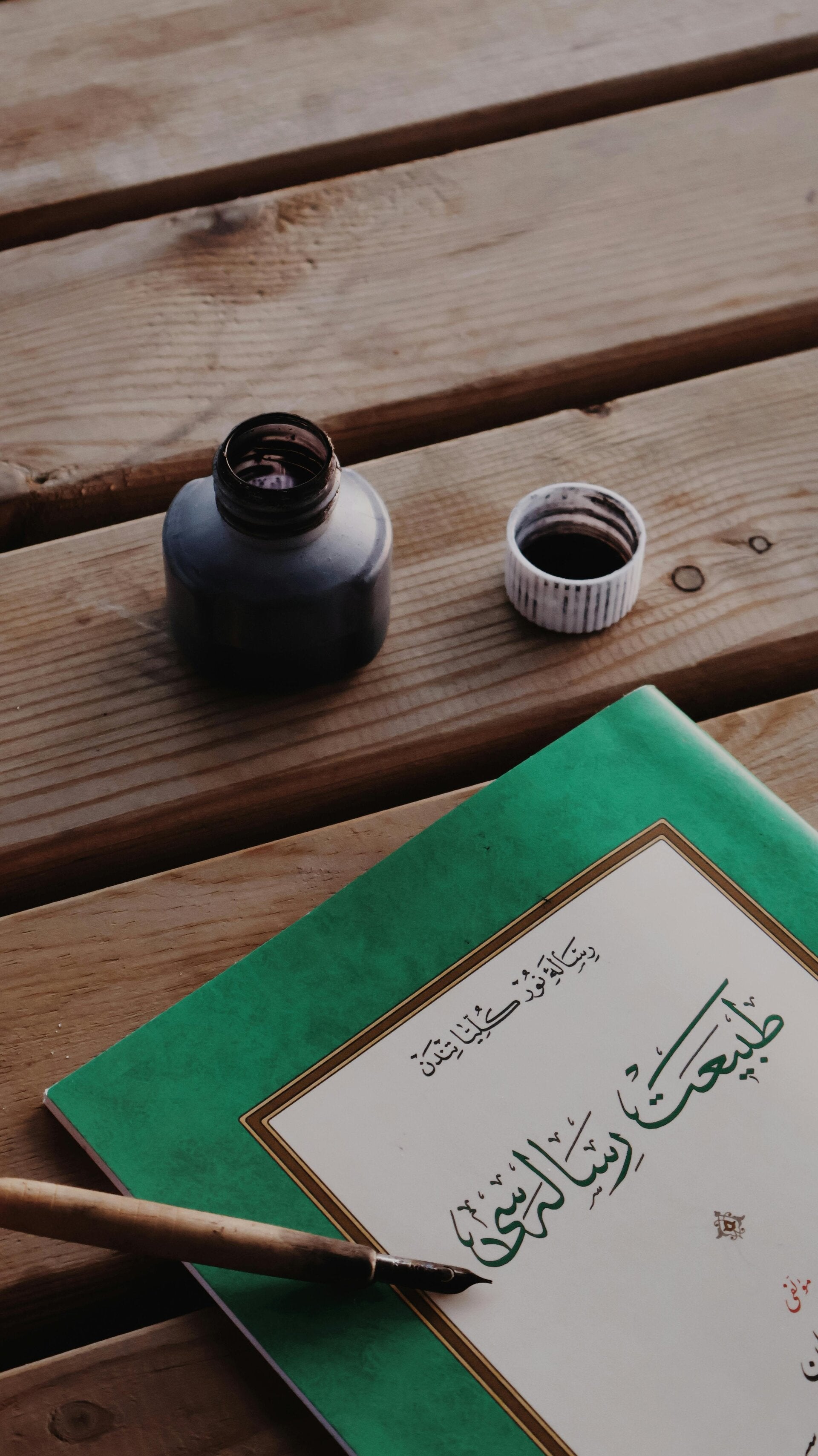
Through his profound literary and political writings, Azzam Alhamwi meticulously dissects and exposes the insidious mechanisms of injustice and extremism. He strives to cultivate a free intellectual space, believing deeply that words and intellectual freedom are the most potent instruments for forging a sophisticated civil society and paving the way for a brighter future.
لا حضارة إلا حضارة القلم
---
مقدمة: بين الطين والكلمة
على هذا الكوكب، تعاقبت حضارات لا تُحصى. قامت على السيف، فانهارت. بنيت على المال، فتبخرت. اعتمدت على القهر، فانتفضت. وبقيت الوحيدة التي تصمد: حضارة القلم.
ليس لأن القلم أداة للكتابة فقط، بل لأنه أداة للتفكير، للتساؤل، للنقد، للحلم. القلم هو ما يميز الإنسان عن سائر المخلوقات. هو ما يجعلنا ننقل التجربة، نراكم المعرفة، ننقد أخطاءنا، نخطط لمستقبلنا.
تعلمت في رحلتي النضالية أن:
· الذي يبني بالقهر، ينهار مع أول زلزال.
· الذي يبني بالمال، ينهار مع أول أزمة.
· الذي يبني بالسلاح، ينهار مع أول هزيمة.
· الذي يبني بالقلم، يبني للأبد.
حضارة القلم: ما هي؟
حين أقول "حضارة القلم"، لا أعني بها مجرد الكتابة أو الأدب. أعني بها حضارة تقوم على العقل، على النقد، على المعرفة، على الحوار.
حضارة القلم هي التي:
· تقدّس السؤال، لا تقدّس الجواب الجاهز.
· تعلّم الإنسان كيف يفكر، لا ماذا يفكر.
· تفتح الأبواب، لا تغلقها.
· تجمع البشر، لا تفرقهم.
كل الحضارات التي صنعت فرقاً في تاريخ البشرية كانت حضارات قلم. أثينا التي نقرأ فلسفتها حتى اليوم، لم تكن إمبراطورية عسكرية بقدر ما كانت ورشة عمل فكرية. بغداد العباسية التي أضاءت العالم، كانت مدينة يترجم فيها الكتاب ويُقرأ، لا مدينة يُقتل فيها المخالف فقط. أوروبا النهضة، قامت على إعادة اكتشاف الفكر الإنساني، لا على اختراع أسلحة جديدة.
القلم هو ما يصنع الفارق بين عصر وعصر، وبين أمة وأمة، وبين إنسان وآخر.
الفكر الإنساني الحضاري: منفتح أم لا يكون
لكن ليس كل فكر يبني. هناك فكر يهدم. هناك فكر يقتل. هناك فكر يحرق البشر ويدمر المدن ويدّعي أنه يمثل الحقيقة المطلقة.
الفكر الإنساني الحضاري الحقيقي هو الفكر المنفتح. المنفتح على الآخر، على المختلف، على الجديد، على النقد، على التطور.
هذا الفكر يتميز بصفات أساسية:
· يرى الإنسان في كل مكان: لا يفرق بين إنسان وآخر بسبب دينه أو عرقه أو جنسه.
· يتغذى من كل الثقافات: يعرف أن الحكمة ضالة المؤمن، وأن الخير موجود في كل مكان.
· يخاف من اليقين المطلق: يعرف أن من يمتلك الحقيقة المطلقة هو أخطر إنسان على وجه الأرض.
· يقبل النقد: بل يحتاج إليه، لأنه يعرف أن النقد هو وقود تطوره.
· يتطور مع الزمن: لا يتجمد عند نصوص قديمة أو أفكار بالية.
الفكر المنغلق هو فكر ميت. قد يكون نابضاً بالحماسة، لكنه نابض كنبض قلب في جسد ميت. حار لكنه لا يدفئ، مشتعل لكنه يحرق فقط.
لماذا هذا الفكر هو طريق نجاة الإنسانية؟
نعيش اليوم في عالم محفوف بالمخاطر:
· أسلحة نووية يمكن أن تمحو البشرية في ساعات.
· أزمات بيئية تهدد وجودنا على الكوكب.
· صراعات هوياتية تمزق المجتمعات.
· تطرف ديني وقومي يعيدنا إلى عصور الظلام.
لا يمكن لهذه المشكلات أن تحل بأدوات أنتجتها.
لا يمكن مواجهة التطرف بتطرف مضاد. لا يمكن مواجهة العنف بعنف أعمى. لا يمكن بناء سلام على أنقاض عدالة. لا يمكن صنع مستقبل بأدوات الماضي.
السبيل الوحيد هو:
· فكر إنساني يضع الإنسان في المركز.
· فكر حضاري يستفيد من تراكم التجارب البشرية.
· فكر منفتح يحاور ولا يكفر، يناقش ولا يلغي، يفهم قبل أن يحكم.
تعلمت في الحرب أن:
· البندقة تقتل البشر، لكنها لا تقتل الفكرة.
· القصف يدمر المدن، لكنه لا يدمر الحلم.
· الظلم يمكن أن يصمت الأصوات، لكنه لا يقتل الوعي.
الوعي هو ما يبقى. والوعي يصنعه الفكر. والفكر الحر يصنعه القلم.
القلم والثورة: تجربتي الخاصة
في تجربتي النضالية، رأيت كيف أن القلم كان أقوى من الرصاص في لحظات كثيرة.
رأيت كيف أن:
· قصيدة واحدة يمكن أن تفعل ما لا تفعله مئة خطبة.
· مقالة واحدة يمكن أن توقظ ضميراً نامياً لسنوات.
· شهادة واحدة يمكن أن توثق جريمة يحاول الجلاد إخفاءها.
· رواية واحدة يمكن أن تحفظ وجع أمة كاملة.
لهذا، لم تكن الكتابة يوماً ترفاً فكرياً بالنسبة لي. كانت فعل مقاومة. كانت وسيلة لأقول: نحن هنا، لم نرحل، لن نرحل. كانت أداة لأوثق ما يحدث، ولأحلل ما يجري، ولأحلم بما سيكون.
"أبناء الوحل" و"وطن على شكل مقبرة" ليسا مجرد كتابين. هما محاولتان للإمساك بلحظة تاريخية عابرة، وتحويلها إلى شهادة دائمة. هما قلمي في وجه النسيان.
ما البديل؟ إن غابت حضارة القلم
لنتخيل عالماً بلا قلم:
· بلا كتب تنقل التجارب.
· بلا صحافة حرة تكشف الفساد.
· بلا أدب يعلمنا التعاطف.
· بلا فلسفة تعلمنا التفكير.
· بلا نقد يصحح الأخطاء.
هذا العالم هو عالم الغاب. عالم القوي يأكل الضعيف. عالم الإعلام الموحد يغسل الأدمغة. عالم التاريخ يُكتب من وجهة واحدة. عالم الإنسان فيه مجرد رقم، لا كائن مفكر.
هذا العالم ليس خيالاً. نحن نراه في الأنظمة الشمولية، في الجماعات المتطرفة، في خطابات الكراهية، في ثقافات الإلغاء. كلما غابت حضارة القلم، حل محلها عبادة السيف.
أنا والقلم: علاقة وجودية
بالنسبة لي، القلم ليس مجرد مهنة أو هواية. هو وجود.
أكتب لأنني:
· أريد أن أفهم العالم، والكتابة تساعدني على الفهم.
· أريد أن أوثق ما رأيت، لئلا يضيع جهد من سبقوني.
· أريد أن أشارك من سيجيئون بعدي ما تعلمته.
· أريد أن أقول كلمتي في وجه الظلم، قبل أن يرحل بي الزمن.
الكتابة عندي هي:
· شهادة: على ما رأت عيناي.
· ميراث: لأولئك الذين لن يتمكنوا من الكتابة.
· سلاح: في معركة لا تنتهي بين النور والظلام.
· أمل: بأن الغد يمكن أن يكون أفضل.
رسالتي للقارئ
إذا كنت تقرأ هذه الكلمات الآن، فأنت جزء من حضارة القلم. أنت من يحافظ على استمراريتها.
لا تستهن بقوة الكلمة. لا تظن أن الكتابة أقل تأثيراً من الفعل المباشر. في زمن تموت فيه الأجساد، تبقى الكلمات. في زمن تنسى فيه الوجوه، تذكر الأفكار. في زمن يخفت فيه صوت الرصاص، يعلو صوت القلم.
لا حضارة إلا حضارة القلم.
لا فكر إلا الفكر الإنساني الحضاري المنفتح.
ولا طريق لنجاة الإنسانية بدونه.
هذه ليست شعارات. هذه خلاصة ما تعلمته من سنوات من النضال والمعاناة والتأمل. هذه وصيتي لكل من يقرأ.
عزام الحموي
قلم في زمن البنادق
وشاهد على عصر يبحث عن خلاصه
No Civilization Except the Civilization of the Pen
Introduction: Between Mud and the Word
On this planet, countless civilizations have followed one another. Those built on the sword collapsed. Those built on wealth evaporated. Those built on oppression were overthrown. And only one remains standing: the civilization of the pen.
Not because the pen is merely a tool for writing, but because it is a tool for thinking, for questioning, for critique, for dreaming. The pen is what distinguishes humans from all other creatures. It is what enables us to transmit experience, accumulate knowledge, critique our mistakes, and plan our future.
In my struggle journey, I learned that:
· What is built on oppression collapses with the first earthquake.
· What is built on wealth collapses with the first crisis.
· What is built on weapons collapses with the first defeat.
· What is built with the pen is built forever.
The Civilization of the Pen: What Is It?
When I say "the civilization of the pen," I do not mean merely writing or literature. I mean a civilization founded on reason, on critique, on knowledge, on dialogue.
The civilization of the pen is one that:
· Sanctifies the question, not the ready-made answer.
· Teaches humans how to think, not what to think.
· Opens doors, does not close them.
· Brings people together, does not divide them.
Every civilization that made a difference in human history was a civilization of the pen. Athens, whose philosophy we still read today, was not a military empire so much as an intellectual workshop. Abbasid Baghdad, which illuminated the world, was a city where books were translated and read, not merely a city where dissenters were killed. Renaissance Europe was built on the rediscovery of human thought, not on the invention of new weapons.
The pen is what makes the difference between one era and another, between one nation and another, between one human being and another.
Humanistic Civilizational Thought: Open or Not at All
But not all thought builds. There is thought that destroys. There is thought that kills. There is thought that burns humans and destroys cities while claiming to represent absolute truth.
True humanistic civilizational thought is open thought. Open to the other, to difference, to the new, to critique, to evolution.
This thought is characterized by essential qualities:
· It sees the human everywhere: It does not distinguish between one human and another based on religion, race, or gender.
· It feeds from all cultures: It knows that wisdom is the believer's quest, and that goodness exists everywhere.
· It fears absolute certainty: It knows that whoever possesses absolute truth is the most dangerous person on earth.
· It accepts critique: Indeed, it needs it, because it knows that critique is the fuel of its evolution.
· It evolves with time: It does not freeze around ancient texts or worn-out ideas.
Closed thought is dead thought. It may pulse with enthusiasm, but it pulses like a heart in a dead body. Hot, but it does not warm; burning, but it only destroys.
Why Is This Thought the Path to Humanity's Salvation?
We live today in a world fraught with dangers:
· Nuclear weapons that could erase humanity in hours.
· Environmental crises threatening our existence on the planet.
· Identity conflicts tearing societies apart.
· Religious and nationalist extremism returning us to dark ages.
These problems cannot be solved with the tools that produced them.
Extremism cannot be confronted with counter-extremism. Violence cannot be confronted with blind violence. Peace cannot be built on the ruins of justice. A future cannot be made with the tools of the past.
The only path is:
· Humanistic thought that places the human at the center.
· Civilizational thought that benefits from the accumulation of human experiences.
· Open thought that dialogues rather than excommunicates, discusses rather than abolishes, understands before judging.
I learned in war that:
· Bullets kill people, but they do not kill ideas.
· Bombing destroys cities, but it does not destroy dreams.
· Oppression can silence voices, but it does not kill consciousness.
Consciousness is what remains. And consciousness is created by thought. And free thought is created by the pen.
The Pen and Revolution: My Personal Experience
In my struggle experience, I saw how the pen was stronger than bullets in many moments.
I saw how:
· One poem could do what a hundred speeches could not.
· One article could awaken a conscience dormant for years.
· One testimony could document a crime the executioner tried to hide.
· One novel could preserve the pain of an entire nation.
For this reason, writing was never an intellectual luxury for me. It was an act of resistance. It was a way to say: We are here, we did not leave, we will not leave. It was a tool to document what was happening, analyze what was unfolding, and dream of what would be.
"Children of the Mud" and "A Homeland Shaped Like a Graveyard" are not merely two books. They are attempts to grasp a fleeting historical moment and transform it into permanent testimony. They are my pen in the face of oblivion.
What Is the Alternative? If the Civilization of the Pen Disappears
Let us imagine a world without the pen:
· No books transmitting experiences.
· No free press exposing corruption.
· No literature teaching us empathy.
· No philosophy teaching us to think.
· No critique correcting mistakes.
This world is a jungle world. A world where the strong devour the weak. A world of unified media washing brains. A world where history is written from a single perspective. A world where the human is merely a number, not a thinking being.
This world is not imaginary. We see it in totalitarian regimes, in extremist groups, in hate speeches, in cultures of elimination. Whenever the civilization of the pen disappears, the worship of the sword takes its place.
Me and the Pen: An Existential Relationship
For me, the pen is not merely a profession or a hobby. It is existence.
I write because:
· I want to understand the world, and writing helps me understand.
· I want to document what I have seen, so that the efforts of those who came before me are not lost.
· I want to share with those who will come after me what I have learned.
· I want to speak my word in the face of injustice, before time takes me away.
Writing for me is:
· Testimony: To what my eyes have seen.
· Inheritance: For those who will not be able to write.
· Weapon: In an endless battle between light and darkness.
· Hope: That tomorrow can be better.
My Message to the Reader
If you are reading these words now, you are part of the civilization of the pen. You are one of those who preserve its continuity.
Do not underestimate the power of the word. Do not think writing is less impactful than direct action. In a time when bodies die, words remain. In a time when faces are forgotten, ideas are remembered. In a time when the sound of bullets fades, the voice of the pen rises.
No civilization except the civilization of the pen.
No thought except open humanistic civilizational thought.
And no path to humanity's salvation without it.
These are not slogans. This is the essence of what I have learned from years of struggle, suffering, and contemplation. This is my testament to everyone who reads.
Azzam Al-Hamwi
A pen in the age of guns
A witness to an era searching for its salvation

رسالة إلى هولندا: بلدي الثاني، وطن في القلب
إلى ملك هولندا العظيم، وإلى شعبها الطيب
أكتب هذه الكلمات وقلبي ممتلئ بشعور لا تستطيع اللغة وصفه بالكامل. شعور يمزج بين الامتنان والحب والانتماء، بين الاعتراف بالجميل والإيمان بأن الخير لا يزال موجوداً في هذا العالم.
إلى هولندا، أرض الحرية والتسامح، أقول: شكراً.
شكراً لأنك لم تكوني مجرد ملجأ آمناً، بل كنتِ وطناً بكل ما تحمله الكلمة من معنى. شكراً لأنك فتحتِ ذراعيكِ لشخص كان يحمل في قلبه جرح وطن، وأعطيته مساحة ليتنفس، ليفكر، ليكتب، ليناضل من أجل قيمه التي يؤمن بها.
عندما يلتقي المنفى بالوطن
هناك فرق كبير بين "منفى" و"وطن ثان". المنفى مكان تلجأ إليه حين تضيق بك الأرض. الوطن الثاني هو مكان تجد فيه نفسك من جديد.
هولندا لم تكن منفاي. كانت وطني الثاني.
عندما وصلت إلى هنا، لم أكن أحمل في حقائبي سوى الذكريات والألم والأمل. كنت أحمل سوريا في روحي، لكن جسدي كان يحتاج إلى أرض تقف عليها. وجدت تلك الأرض هنا.
وجدت:
· شعباً لا يسأل عن دينك أو طائفتك، بل عن إنسانيتك.
· نظاماً يحترم القانون ويحمي الضعيف قبل القوي.
· حرية تجعل الكلمة مسؤولية، لا مجرد شعار.
· كرامة يشعر بها الإنسان منذ اللحظة الأولى.
إلى ملك هولندا العظيم
سيدي،
لا أعرفك شخصياً، لكني أعرف قيمك من خلال هذا البلد الذي تحكمه. هولندا التي أراها اليوم هي مرآة لرؤية إنسانية تؤمن بأن:
· الحرية حق للجميع.
· الكرامة لا تتجزأ.
· الاختلاف ليس تهديداً، بل هو غنى.
في زمن يتخلى فيه كثير من القادة عن القيم الإنسانية لصالح الخطاب الشعبوي والخوف من الآخر، أنت وملكتك وشعبك كنتم نموذجاً مختلفاً. نموذجاً يذكرنا بأن أوروبا الحقيقية هي أوروبا التنوير والانفتاح والتسامح.
شكراً لأنك جسدت هذه القيم ليس بالكلام فقط، بل بالقوانين والسياسات والمواقف.
إلى شعب هولندا الطيب
أنتم من جعلوا هذه الأرض وطناً.
أنتم من ابتسمتم في وجه الغريب، فجعلتموه يشعر أنه ليس غريباً.
أنتم من مددتم يد المساعدة دون أن تسألوا عن الثمن.
أنتم من علمتمونا أن الإنسانية لا تحتاج إلى ترجمة.
رأيت فيكم:
· الإخلاص في العمل: فتعلمت أن النجاح ابن الالتزام.
· البساطة في التعامل: فتذكرت أن العظمة لا تحتاج إلى تكلف.
· الاحترام للجميع: فأدركت أن الكرامة ليست امتيازاً بل حقاً.
· التسامح مع المختلف: فأيقنت أن الاختلاف يمكن أن يكون جميلاً.
أنتم من جعلتموني أؤمن أكثر بأن الإنسان يمكن أن يكون طيباً، حتى في عالم يبدو أحياناً أنه فقد بوصلته الأخلاقية.
ماذا أعطتني هولندا؟
هولندا أعطتني أكثر مما يمكن للكلمات أن تصف:
1. الأمان: لأول مرة منذ سنوات، نمت دون أن أخاف على أطفالي من قناص أو قصف.
2. الحرية: لأن أكتب ما أؤمن به، دون أن يطرق بابي رجال أمن في منتصف الليل.
3. الكرامة: لأعيش كإنسان، لا كلاجئ فقط.
4. الأمل: بأن المستقبل يمكن أن يكون أفضل، حتى لو كان الماضي مؤلماً.
5. المساحة: لأفكر، لأناضل، لأحلم، دون أن يخنقني الخوف.
هذه ليست امتيازات. هذه حقوق إنسانية أساسية، لكنها للأسف أصبحت ترفاً في أجزاء كثيرة من العالم. هولندا ذكرتني بأن هذه الحقوق ممكنة، وأن هناك مكاناً على هذه الأرض لا يزال يؤمن بها.
ماذا قدمت لهولندا؟
ربما هذا السؤال يبدو غريباً، لكنه مهم. لأن العلاقة الحقيقية تأخذ وتعطي.
حاولت، وسأظل أحاول، أن أقدم لهذا البلد الطيب:
· وفائي: لأن الوفاء هو أقل ما يمكن تقديمه لمن أعطى بلا حدود.
· عملي: لأن العمل الجاد هو طريقة شكر من لا يجيد إلا الكلمات.
· قلمي: لأكتب عن قيم الحرية والكرامة التي تعلمتها هنا، ولأحملها إلى حيث يمكن أن تصل.
· تجربتي: لأشارك ما تعلمته من معاناة ونضال، لعلها تفيد في فهم عالم معقد.
أريد أن أكون ابناً باراً لهذا البلد، كما كان ابناً باراً لسوريا. أريد أن أكون جسراً بين الثقافات، وسفيراً للقيم الإنسانية التي تجمعنا.
وطنان في القلب
هناك من يظن أن حب وطن يعني كراهية آخر. تعلمت من هولندا العكس.
يمكن للقلب أن يسع وطنين.
أحب سوريا لأنها أمي. أحب هولندا لأنها احتضنتني حين كانت أمي جريحة. لا أنكر جميل الأولى، ولا أجحد فضل الثانية.
سوريا في روحي. هولندا في حياتي.
سوريا في ذاكرتي. هولندا في يومياتي.
سوريا في وجعي. هولندا في أملي.
هذان الوطنان ليسا في حالة صراع في داخلي، بل في حالة تكامل. كل منهما علمني شيئاً مختلفاً، وأضاف إلي شيئاً جديداً، وجعلني أكثر إنسانية.
لماذا أواصل؟
قد يسأل سائل: بعد كل ما مررت به، لماذا لا تستسلم؟ لماذا تكتب وتناضل؟
الجواب بسيط: لأنني لم أتعلم من هولندا الاستسلام.
تعلمت من هذا البلد أن:
· الحرية تستحق النضال.
· الكرامة تستحق الثمن.
· الإنسانية تستحق أن نحيا من أجلها، لا أن نموت فقط.
أواصل لأنني أؤمن بأن الكلمة يمكن أن تصنع فرقاً. أواصل لأنني مدين لكل من ساعدني. أواصل لأن الذين بقوا في سوريا يستحقون أن نكون صوتهم. أواصل لأن أطفالي، الذين نشأوا هنا، يجب أن يعرفوا أن والدهم لم يستسلم.
رسالتي الأخيرة
إلى ملك هولندا العظيم، حفظك الله لشعبك وللعالم.
إلى شعب هولندا الطيب، بارك الله فيكم وفي أرضكم.
أنتم لستم مجرد بلد يقدم لجوءاً. أنتم نموذج إنساني يذكر العالم بأن القيم يمكن أن تنتصر، وأن الخير يمكن أن يكون أقوى من الشر، وأن الأمل يمكن أن يولد من رحم اليأس.
سأظل أحمل هولندا في قلبي كما أحمل سوريا. سأظل أعمل وأكتب وأناضل من أجل القيم التي علمتموني إياها. سأظل وفياً لهذا البلد الذي كان أكثر من وطن.
شكراً هولندا. شكراً من أعماق قلب سوري تعلم أن الحب لا وطن له.
عزام الحموي
سوري يعشق سوريا وهولندا
وطن في المشرق.. ووطن في القلب
A Letter to the Netherlands: My Second Homeland, A Home in the Heart
---
To the Great King of the Netherlands, and to Its Kind People
I write these words with a heart filled with a feeling that language cannot fully describe. A feeling that blends gratitude and love and belonging, between acknowledging kindness and believing that goodness still exists in this world.
To the Netherlands, the land of freedom and tolerance, I say: Thank you.
Thank you for not merely being a safe haven, but for being a homeland in every sense the word carries. Thank you for opening your arms to someone carrying the wound of a homeland in his heart, and giving him space to breathe, to think, to write, to struggle for the values he believes in.
When Exile Meets Homeland
There is a great difference between "exile" and a "second homeland." Exile is a place you flee to when the earth narrows around you. The second homeland is a place where you find yourself anew.
The Netherlands was not my exile. It was my second homeland.
When I arrived here, I carried nothing in my luggage but memories, pain, and hope. I carried Syria in my soul, but my body needed land to stand on. I found that land here.
I found:
· A people who do not ask about your religion or sect, but about your humanity.
· A system that respects the law and protects the weak before the strong.
· A freedom that makes the word a responsibility, not merely a slogan.
· A dignity that one feels from the very first moment.
To the Great King of the Netherlands
Your Majesty,
I do not know you personally, but I know your values through this country you govern. The Netherlands I see today is a mirror of a human vision that believes:
· Freedom is a right for all.
· Dignity is indivisible.
· Difference is not a threat, but a richness.
In a time when many leaders abandon human values in favor of populist rhetoric and fear of the other, you, your Queen, and your people have been a different model. A model reminding us that the real Europe is the Europe of enlightenment, openness, and tolerance.
Thank you for embodying these values not only in words, but in laws, policies, and positions.
To the Kind People of the Netherlands
You are the ones who made this land a homeland.
You are the ones who smiled in the face of a stranger, making him feel he was not a stranger.
You are the ones who extended a helping hand without asking the price.
You are the ones who taught us that humanity needs no translation.
I saw in you:
· Sincerity in work: So I learned that success is the child of commitment.
· Simplicity in dealing: So I remembered that greatness needs no pretense.
· Respect for all: So I realized that dignity is not a privilege but a right.
· Tolerance for the different: So I became certain that difference can be beautiful.
You are the ones who made me believe more that humans can be kind, even in a world that sometimes seems to have lost its moral compass.
What Did the Netherlands Give Me?
The Netherlands gave me more than words can describe:
1. Safety: For the first time in years, I slept without fearing for my children from a sniper or shelling.
2. Freedom: To write what I believe, without security men knocking on my door in the middle of the night.
3. Dignity: To live as a human being, not merely as a refugee.
4. Hope: That the future can be better, even if the past was painful.
5. Space: To think, to struggle, to dream, without fear suffocating me.
These are not privileges. These are basic human rights, but they have unfortunately become luxuries in many parts of the world. The Netherlands reminded me that these rights are possible, and that there is a place on this earth that still believes in them.
What Did I Give to the Netherlands?
Perhaps this question seems strange, but it is important. Because a true relationship takes and gives.
I tried, and will continue to try, to give this kind country:
· My loyalty: Because loyalty is the least one can offer to those who gave without limits.
· My work: Because hard work is a way of thanking for one who knows only words.
· My pen: To write about the values of freedom and dignity I learned here, and to carry them wherever they might reach.
· My experience: To share what I learned from suffering and struggle, hoping it might help in understanding a complex world.
I want to be a loyal son to this country, as I have been a loyal son to Syria. I want to be a bridge between cultures, and an ambassador for the human values that unite us.
Two Homelands in the Heart
There are those who think that loving one homeland means hating another. I learned from the Netherlands the opposite.
The heart can hold two homelands.
I love Syria because she is my mother. I love the Netherlands because she embraced me when my mother was wounded. I do not deny the kindness of the first, nor do I disregard the grace of the second.
Syria is in my soul. The Netherlands is in my life.
Syria is in my memory. The Netherlands is in my daily life.
Syria is in my pain. The Netherlands is in my hope.
These two homelands are not in conflict within me, but in complementarity. Each taught me something different, added something new to me, and made me more human.
Why Do I Continue?
Someone might ask: After all you have been through, why do you not give up? Why do you write and struggle?
The answer is simple: Because I did not learn surrender from the Netherlands.
I learned from this country that:
· Freedom is worth struggling for.
· Dignity is worth the price.
· Humanity is worth living for, not merely dying for.
I continue because I believe the word can make a difference. I continue because I am indebted to everyone who helped me. I continue because those who remained in Syria deserve us to be their voice. I continue because my children, who grew up here, must know that their father did not surrender.
My Final Message
To the great King of the Netherlands, may God protect you for your people and for the world.
To the kind people of the Netherlands, God bless you and your land.
You are not merely a country offering asylum. You are a human model reminding the world that values can triumph, that goodness can be stronger than evil, and that hope can be born from the womb of despair.
I will continue to carry the Netherlands in my heart as I carry Syria. I will continue to work, write, and struggle for the values you taught me. I will remain loyal to this country that was more than a homeland.
Thank you, Netherlands. Thank you from the depths of a Syrian heart that learned that love has no homeland.
Azzam Al-Hamwi
A Syrian who loves Syria and the Netherlands
A homeland in the Levant.. and a homeland in the heart
His seminal work, "A Homeland Shaped Like a Graveyard," offers a critical lens into the complex Syrian reality, reflecting his deep engagement with universal human concerns and social justice. Previous works include "Sons of Mud."
Azzam Alhamwi