The art of words: Azzam alhamwi's literary world
Step into a world crafted with imagination and emotion. This space is dedicated to the creative literary works of Azzam alhamwi, inviting you to explore narratives that stir the soul and inspire reflection. Here, words become journeys, revealing the diverse facets of human experience.

التحف في الغرفة المغبرة
انظر..
الأخلاق هنا تشيخ على الرفوف بوقار كاذب..
تعبث بها الأيام كقطع أثرية.
لم يبق من ملامحها سوى
الغبار..
نحن سكان أقبية الموت المعطرة
نشم عطن الوطن المحشو بالكلمات الأنيقة..
كما يشم اليتيم ثياب العيد
في واجهات المحلات الباردة
شعب يعرف الفضيلة
كرقم سري..
للاشتراك في مسابقة لا تجوز له
يحفظها عن ظهر قلب
كما يحفظ السجين عدد البلاطات في زنزانته..
ثم يمسحها بكم قميصه عند أول مفترق ربح..
ليترك خلفه رائحة الخيانة
تزهر كالياسمين البري..
الفضيلة هنا.. طوابير خشبية تسقط قطعة قطعة
الصدق أولا.. كان غاليا جدا كدموع الملوك.
الأمانة.. لم تتناسب مع موضة العصر والسكاكين.
الاحترام.. خرج من الخدمة كموظف أحيل إلى التقاعد قسرا
والرحمة.. لم تعد مربحة في بلاد تبيع الهواء بالتقسيط.
الضمير ملح مر يباع في أكياس شفافة عند مداخل القرى.
والشرف خضار يغسله المارة قبل العرض..
ليخفوا آثار الكدمات.
والكرامة ذهب في الواجهة.. لكنه تقليد يصدأ عند أول صرخة
والوطن؟
الوطن قطعة حلوى تذوب في أفواه المارة..
بينما نحن نزرع القمح في شاشات التلفزة.
نقتلع جذورنا لنبيعها حطبا للغرباء..
الابن يبيع أباه بتذكرة دخول إلى ملهى ليلي صاخب
والأب يرهن ابنه بدفعة أولى من النسيان.
الجار يبيع جاره بسعر التخليص
والقاضي يزن العدالة كيلو بكيلو
نمشي بلا بوصلة..
ندور كالعميان في مول ضخم للضياع.
نتسول قيما مهترئة
من دكاكين السياسة وباعة الأديان
نطلب وطنا ونحن ندوس على خرائطه بأحذيتنا الموحلة
نطلب حرية ونحن نلمع أقفاصنا بدموع التوسل
نطلب إنسانية ونحن نرتدي أقنعة التخفيضات الموسمية
هذا ليس نقدا..
هذا اعتراف جيل رأى الجدار يسقط..
فخاف أن يلطخ ثيابه بالرمل.
جيل يتنفس بالكذب
ويكتب سيرته بأقلام مغموسة بالخوف..
حفظنا الكلمات العطرة.. ونسينا رائحة الخبز الساخن.
حفظنا أسماء الأبطال الميتين وفقدنا وجوه أطفالنا الأحياء.
نمشي كأننا نحمل أجساد
غرباء..
في وطن صار مثله الأعلى
يبحث عن جثة.. ليسكنها بسلام
التحف في الغرفة المغبرة لا تسأل لماذا لا تنظف..
بل تسأل بلوعة:
لماذا ما زلنا نجرؤ على تسميتها تحفا؟
بينما هي ليست سوى بقايا إنسا
انكسر.. قبل أن يبد
Antiques in the Dusty Room
Look…
Here, morality ages on the shelves with a borrowed dignity.
Days fiddle with them like antiquities.
Nothing remains of their features but
the dust.
We, residents of death's perfumed basements,
sniff the rot of a homeland stuffed with elegant words…
like an orphan sniffing Eid clothes
in cold shop windows.
A people who know virtue
as a password…
to enter a lottery they're forbidden from winning.
They memorize it by heart
like a prisoner counts the tiles in his cell…
then wipe it with their shirtsleeve at the first profitable crossroad,
leaving behind the scent of betrayal
blooming like wild jasmine.
Virtue here… is wooden rows falling apart, piece by piece.
Honesty first… was as rare as the tears of kings.
Trustworthiness… didn't suit the season's fashion, or the knives.
Respect… was retired, like a clerk forced into early pension.
And compassion… no longer turns a profit in a land that sells air in installments.
Conscience is bitter salt, sold in transparent bags at village entrances.
Honor is a vegetable that passersby wash before it's displayed,
to hide the bruises.
Dignity is gold in the shop window… but a forgery that rusts at the first outcry.
And the homeland?
The homeland is a piece of candy melting in the mouths of passersby…
while we plant wheat on television screens.
We uproot ourselves to sell as firewood to strangers…
The son sells his father for a ticket into a noisy nightclub.
The father pawns his son with a down payment of forgetfulness.
The neighbor sells his neighbor at a clearance price.
And the judge weighs justice, kilo by kilo.
We walk without a compass…
spinning like blind men in a vast mall of loss.
We beg for worn-out values
from the shops of politicians and the peddlers of religion.
We ask for a homeland while trampling its maps with muddy shoes.
We ask for freedom while polishing our cages with pleading tears.
We ask for humanity while wearing masks from the seasonal sales.
This isn't criticism…
This is the confession of a generation that saw the wall fall…
and was afraid to dirty its clothes with sand.
A generation that breathes lies
and writes its biography with pens dipped in fear…
We memorized fragrant words… and forgot the smell of warm bread.
We memorized the names of dead heroes and lost the faces of our living children.
We walk as if carrying the bodies
of strangers…
in a homeland whose ultimate ideal
is to search for a corpse… to inhabit in peace.
The antiques in the dusty room don't ask why they're not cleaned…
But ask, with anguish:
Why do we still dare to call them antiques?
When they are nothing but the remains of a human
who broke… before he could even begin.

.سلمية حبيبة قلبي
سلمية..
تلعق جرحها بملح الضحك
وتسقط على الأرض كقبعة مهزوم..
ثم تقوم لتصفح وجه القذيفة القادمة..
جروحها مرايا..
وجهها يسلك من عظامها
تغطي عريها بعلم منسي على سارية حزن..
تهمس للغرباء..
الوطن ذاكرة جماعية
البشر يباعون بوزن اضلاعهم
تنزف الكلمات من أذيال جرائد رسمية..
شوارعها تنتفض بالطهر ..
تاريخها سلة هموم على الظهر
يطوف بين البيوت
هل من جثة جديدة للتاريخ؟
هل من مواجهة للتوثيق؟
الحرية فيها مأساة..
وحلم انتظار..
يحتاج إلى شهادة سلوك من
الحاكم ..
كل بسمة تخرج من فمها
تتحول إلى تقرير في دائرة الأمن.
والناس الأشراف..
يصنعون أحلامهم من ورق التموين..
يعتقدون أن القمح ينبت في صحائف الجرائد..
بينما الطفولة تباع بالكيلو
والكبرياء يرص في زجاجات العطر الفارغة..
يدفنون الأحلام في أصص الزهور..
التي ترفض النمو..
تعرفُ أنها ستُقطفُ يوماً لقبرٍ ما
سلمية..
مدينةٌ تمشي على قدم واحدة
وتحملُ في الأخرى حذاءً مهترئاً
لرحلة لم تبدأ بعد..
موتاها ..
يتساءلون في زوايا المدينة
هل سيأتي يوم تقرأ فيه الأحياء نبوءات القبور؟
هل سيطبع دم الشهداء على أوراق النقد ؟
قلوبها معلقة على حبال الغسيل
والحنين فيها
ليس سوى جريمة تنتظر ميثاق اقامة ..
تستعير وجهها من متحف اوهام النهضة..
وترفض ان ترى نفسها في مراة النهر الجاف..
تلعب بأوراق الماضي
كمقامر يعلم أن الرهان مسموم.
عقولها..
ماوى للحضارة في زمن تحكمه الاصوات العالية
والقلوب القاسية
كمحطة قطار للدمار العابر..
في آخر المساء
تجمع سلمية أوهامها في حقيبة رخيصة..
وتهرب نحو القمر
لكن القمر ايضا محاصر بقوات المراقبة..
فتعود..
لتقاسم القطط الحزينة ظلها
وتكتب على جبين الليل
هذا هو الوطن
مقبرة جماعية
يرش عليها كل صباح
رذاذ امل مزور..
وبينما تسقط النجوم أعقاب سجائر..
تهمهم سلمية لنفسها
لو كنت اعلم
لاخترت أن أولد صخرة في جبل بعيد..
لا وطن يحملني
ولا ذكرى تقتلني..
سلمية..
يا حبيبةَ قلبي:
أنتي الضحكة في زمنِ الحرب
حيث أقصر قصيدة
يكتبها المجانين للأحياء!
جميع الحقوق محفوظة
© عزام الحموي 2025.
Salamiyah, Beloved of My Heart
Salamiyah…
licks her wound with the salt of laughter
and falls to the ground like a defeated hat…
then rises to scan the face of the next incoming shell.
Her wounds are mirrors…
Her face threads itself through her bones
She covers her nakedness with a forgotten flag on a mast of sorrow.
She whispers to strangers:
The homeland is a collective memory.
Humans are sold by the weight of their ribs.
Words bleed from the hems of official newspapers.
Her streets quiver with purity…
Her history is a basket of burdens on the back
circling among the houses:
Is there a new corpse for history?
Is there a confrontation for documentation?
Freedom in her is a tragedy…
and a waiting dream…
that needs a certificate of good conduct
from the ruler…
Every smile that leaves her mouth
turns into a report at the security department.
And the honorable people…
fashion their dreams from ration card paper…
believing that wheat sprouts from the pages of newspapers…
while childhood is sold by the kilo
and pride is stacked in empty perfume bottles.
They bury dreams in flower pots…
that refuse to grow…
knowing they will one day be picked for some grave.
Salamiyah…
A city that walks on one foot
and carries in the other a worn-out shoe
for a journey that hasn't yet begun…
Her dead…
wonder in the city's corners:
Will a day come when the living read the prophecies of graves?
Will the blood of martyrs be printed on banknotes?
Her hearts hang on laundry lines…
and nostalgia in her
is nothing but a crime awaiting a statute of limitations…
She borrows her face from a museum of renaissance illusions…
and refuses to see herself in the mirror of the dry river…
She plays with the cards of the past
like a gambler who knows the bet is poisoned.
Her minds…
a refuge for civilization in a time ruled by loud voices
and hard hearts…
like a train station for passing destruction.
At the end of the evening,
Salamiyah gathers her illusions in a cheap bag…
and flees toward the moon…
but the moon too is besieged by observation forces…
So she returns…
to share her shadow with the sad cats
and writes on the brow of night:
This is the homeland—
a mass grave
sprayed every morning
with a mist of forged hope…
And as the stars fall like cigarette butts…
Salamiyah murmurs to herself:
If I had known,
I would have chosen to be born a rock on a distant mountain…
No homeland carrying me,
no memory killing me…
Salamiyah…
O beloved of my heart:
You are the laughter in a time of war—
where the shortest poem
is written by the mad for the living!
All rights reserved
© Azzam Al-Hamwi 2025.

الفواتير السورية
المواطن السوري لا يعيش
بل يدفع..
يدفع أجرة بيت يسكنه الظل
يدفع فاتورة كهرباء تنطفئ كل الأوقات..
يدفع ضريبة لوجهٍ لا يراه.
يفكر في مناسبة زفاف
تدخل فيها العروس بثوب إيجار..
يفكر في جرة غاز
تأتي فارغة.. كوعود الوزراء
يحسب أجرة الطريق إلى المستشفى..
وثمن الدواء الذي لن يصل
ورسوماً مدرسية
تُعلّم أولاده الصمت
ولعنة غذاء.. يُقاس بالغرام
يحسب كلفة عزاء
يُقام لحيٍّ لم يمت بعد
يحسب ثمن القبر
وثمن الكفن
وثمن يدٍ تغسله
وثمن صوتٍ يبكيه.
الحياة؟
تسكن في الحاشية
في الهامش الصغير
تحت سطر الفاتورة
بين فاصلتين.
نحن شعب الآلة الحاسبة
نجمع ونطرح
ولا نضرب أحلاماً
ولا نقسم أوجاعاً..
نحفظ تواريخ الجفاف
وننسى تاريخ أول قبلة
نحفظ أرقام هواتف الديون
وننسى رقم طفولتنا.
ندفع كل أثمان الدنيا
إلا ثمن تذكرة واحدة
إلى مكان اسمه حياة
نعيش على الهامش
نكتب حساباتنا
بأقلام رصاص
كي نمحيها.. عند أول مطر
أو آخر دمع.
جميع الحقوق محفوظة
© عزام الحموي 2025.
The Syrian Bills
The Syrian citizen does not live—
he pays.
He pays rent for a house inhabited by shadows.
He pays an electricity bill for power that's off all the time.
He pays a tax to a face he never sees.
He thinks about a wedding occasion
where the bride enters in a rented dress.
He thinks about a gas cylinder
that arrives empty… like ministers' promises.
He calculates the fare to the hospital…
and the price of medicine that will never arrive,
and school fees
that teach his children silence,
and the curse of food… measured by the gram.
He calculates the cost of a wake
held for the living who haven't died yet.
He calculates the price of the grave,
and the price of the shroud,
and the price of a hand to wash him,
and the price of a voice to weep for him.
Life?
It dwells in the footnote,
in the tiny margin,
beneath the line of the bill,
between two commas.
We are a people of the calculator—
we add and subtract,
and we do not multiply dreams,
nor divide pains…
We memorize the dates of drought
and forget the date of the first kiss.
We memorize the phone numbers of debts
and forget our childhood's number.
We pay every price in this world
except the price of a single ticket
to a place called life.
We live in the margins,
writing our accounts
with pencils
so we can erase them… at the first rain,
or the last tear.
All rights reserved
© Azzam Al-Hamwi 2025.

الإنسان.. العملة الأرخص في عصر المال
حيث يصبح رقماً في مسلخ البورصة.. والحياة تصبح سلعة والموت يصبح خسارة محاسبية..
البنوك تعوي
كلما انحنى إنسان ازدادت الشاشات بهاءً
خطوط ملونة
كثعابين تلعب على جثثنا
تسجل في دفاتر الودائع.
كلما سقط إنسان ارتفع رقم
في البورصة
حلبة مصارعة..
روبوتات تديرها.. تصرع الفقراء
تتوج الأرقام بأكاليل شوك.
أسواق تئن.. أرقام تتكاثر
فطريات..
فقراء يرقصون على حبال الائتمان
دمى في سيرك مالي
تسحب الخيوط بأنفسها.
كلما جاع إنسان ارتفع سهم اليأس..
انخفض سعر الكرامة
الفقر سلعة
تباع في المزادات
تشترى بالتقسيط..
محللون يغنون..
مسؤولون يرقصون
معدلات ترتفع
كغازات في غرفة مغلقة
نحن رهائنها.
نحن المعلقون على الهوامش
نحلم برغيف خبز
نشتري الأوهام بأسعار السوق
نصلي لأرباح لا نراها
نسدد ديوناً لم نعد نفهمها.
كلما بكى إنسان ارتفع الظل
صارت الحياة رقماً في محضر خسارة.
صار الحلم سهماً في سوق هابطة..
سأرقص في هذا السوق
أبيع أحلامي بسعر التكلفة
أشتري اليأس بالجملة.
فالحياة تعرف:
كنا هنا نلعب القمار بأرواحنا
نخسر في النهاية حتى اللعبة.
أكتب هذا على ظهر كشف حساب..
بين إشعارات الديون وتقارير الخسائر..
تحت أضواء الشاشات الزرقاء.
والوجود سوق مالي مفتوح
ونحن العملة المعدنية
تسقط من جيوب الأغنياء
في طريقهم إلى البنوك.
كلما سقط إنسان ارتفع الصمت
صارت الكلمات أرقاماً
صارت الأرقام قبوراً
ونحن النحاتون..
ننحت شواهد قبورنا بأيدينا
وندفع الثمن نقداً.
سأرقص..
حتى بعد أن تسقط الأرقام
وتنكسر الشاشات
ويصير السوق مقبرة
للأحلام والأرقام.
جميع الحقوق محفوظة
© عزام الحموي 2025.
Humanity... The Cheapest Currency
In an age of money,
where man becomes a number in the slaughterhouse of the stock exchange…
and life becomes a commodity,
and death becomes an accounting loss…
The banks howl.
Whenever a human bends, the screens grow brighter—
colored lines,
like serpents playing on our corpses,
recording in deposit ledgers.
Whenever a human falls, a number rises
on the stock exchange.
A wrestling arena…
robots manage it… slaying the poor,
crowning numbers with wreaths of thorns.
Markets groan… numbers multiply—
fungi…
The poor dance on credit ropes—
puppets in a financial circus,
pulling their own strings.
Whenever a human hungers, the despair index rises…
the price of dignity falls.
Poverty is a commodity—
sold at auctions,
bought in installments…
Analysts sing…
officials dance.
Rates rise
like gases in a sealed room—
we are their hostages.
We who dangle in the margins—
dreaming of a loaf of bread,
buying illusions at market prices,
praying to profits we never see,
repaying debts we no longer understand.
Whenever a human weeps, the shadow rises.
Life becomes a number in a loss statement.
The dream becomes a stock in a falling market…
I will dance in this market—
sell my dreams at cost price,
buy despair wholesale.
For life knows:
We were here, gambling with our souls—
losing in the end, even the game itself.
I write this on the back of a bank statement—
between debt notices and loss reports—
under the light of blue screens.
And existence is an open financial market,
and we are the loose change
falling from the pockets of the rich
on their way to the banks.
Whenever a human falls, the silence rises.
Words become numbers.
Numbers become graves.
And we are the sculptors—
carving our own headstones with our hands,
paying the price in cash.
I will dance…
even after the numbers fall,
and the screens shatter,
and the market becomes a cemetery
for dreams and digits.
All rights reserved
© Azzam Al-Hamwi 2025.
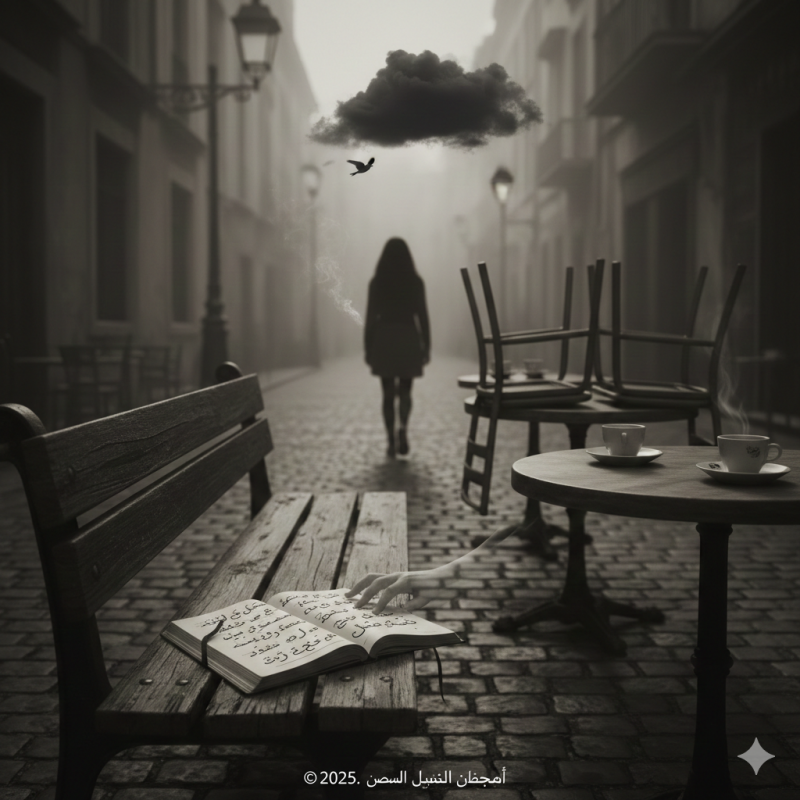
لن أنسى حبيبتي ..
حتى لو تخلت عني الذاكرة
لن أنسى تلك الطرقات التي سرنا بها سوية
والمقاعد الخشبية التي كانت تسمع همساتنا
أكثر من جلبة المقاهي
والشوارع
لن أنسى رائحة القهوة
وهي تتسلل بين أصابعك كحنين مسافر
أو كجاسوس في فيلم قديم يعاد كل مساء
كانت عيناك تنظران إلي
كما ينظر الغريب إلى وطنه من بعيد
ثم تتركيني وحيدا كبئر جافة
تكتب مذكراتها على جدران التراب ..
أنا يا حياتي
ظل تاه في ضوئك حتى احترق
وأنا يا غريبة
أقيس المسافات على أصابعك المنسية
وغربتي صارت أطول من طريق العودة
كلما ابتعدت
أتحول إلى كتاب ناقص
وقارئ يقرأ سطور حياته بالمقلوب
وبحر بلا أمواج
ينتظر سمكة عمياء تعيد إليه معنى المد والجزر ..
لا تتركي هذه الصفحات وحيدة
تعالي كغيمة في سماء قاحلة
كطائر ضل طريقه بين القبور
كصوت أمي القديم في دهاليز النسيان
اتركي على الورق أثر يديك
قبل أن ينطفئ المصباح الأخير
وتغلق دفاتري أبوابها
على هواء بلا أجنحة
وعلى حكايات بلا نهاية ..
لم أعد أطلب سوى شيء واحد
أن تمرين من هنا مرة أخرى
ولو لقتلي
فأنا أفضل الموت وأنا أتذكر
على أن أحيا وأنا أنسى
أنني كنت يوما ما
جديرا بالحب
وجديرا حتى بالنسيان..
جميع الحقوق محفوظة
© عزام الحموي 2025.
I Will Not Forget My Beloved…
Even if memory abandons me,
I will not forget those roads we walked together,
and the wooden benches that heard our whispers
more than the clamor of cafes
and streets.
I will not forget the scent of coffee
as it crept between your fingers like a traveler's nostalgia,
or like a spy in an old film replayed every evening.
Your eyes would look at me
as a stranger looks upon his homeland from afar,
then leave me alone like a dry well
writing its memoirs on the walls of dust…
I, my life,
am a shadow that lost itself in your light until it burned.
And I, my stranger,
measure distances on your forgotten fingers,
and my exile has grown longer than the road home.
Whenever you distance yourself,
I turn into an incomplete book,
and a reader reading his life's lines backwards,
and a sea without waves,
waiting for a blind fish to restore to it the meaning of tide and ebb…
Do not leave these pages alone.
Come like a cloud in a barren sky,
like a bird that lost its way among the graves,
like my mother's old voice in the corridors of forgetting.
Leave upon the paper the trace of your hands,
before the last lamp extinguishes,
and my notebooks close their doors
on air without wings,
and on stories without end…
I no longer ask for but one thing:
that you pass by here once more,
even if to kill me—
for I prefer death while remembering,
to living while forgetting
that I was once,
worthy of love,
and worthy even of forgetting…
All rights reserved
© Azzam Al-Hamwi 2025.

في المؤتمر ..
دعوة لبروتوكول انتحار الجماعة
خرجنا من القاعة كمن يخرج من غرفة عمليات فاشلة..
نحمل بين أيدينا جثة الوطن في أكياس ورقية
الأعلام التي رفرفت في الداخل علقت في حلقنا كشباك صيد مهترئ..
اتجهنا الى مطعم
"الوهم الفاخر".. حيث يقدمون الذل بطبق من فضة
والخيانة مع صلصة الطماطم
جلسنا حول مائدة دائرية كالمؤامرة
نناقش كيف نبيع الشعب بأسعار الجملة ..
أحدهم اقترح تشكيل لجنة لدراسة لون دم الشهداء..
هل هو أحمر قاني أم أزرق كألوان العلم؟
وآخر طالب بتجفيف دموع الأرامل.. كي لا تفسد حفلات القصور..
سكرتيرة المؤتمر توزع الأوراق..
كأنها توزع أكفاناً على الأحياء أحد الوزراء يهمس في أذني:
"لا تقلق.. فالفشل هنا يتحول إلى نجاح بمجرد توقيعه"..
القهوة كانت باردة كقلوبنا والسجائر تنطفئ من تلقاء نفسها..
كأنها ترفض مشاركتنا التدخين النادل يبتسم ابتسامة مجمدة
كأنه يعرف أن البقشيش سيكون من أموال الشعب ..
عدنا إلى القاعة..
وجدنا أن الفئران قد قضت على محاضر الجلسة
فصفقنا .. لأن الفئران على الأقل جاعت مثلنا
رئيس المؤتمر أعلن أن المؤتمر نجح نجاحاً باهراً.. لأننا اتفقنا على عدم الاتفاق ..
خرجنا وفي أفواهنا طعم المعدن..
كأننا كنا نمضغ المسامير طوال النهار
أحد الصحفيين سألني:
"ماذا أنتج المؤتمر؟".. فقلت: "أنتجنا أكاذيب جديدة.. وأعدنا تدوير الأكاذيب القديمة عند الحاجة"..
في السيارة..
رأيت طفلاً يبيع الياسمين عند الإشارة
اشتريت منه باقة وألقيتها من النافذة
لأن عطرها أصبح يذكرني بالوطن.. والوطن أصبح يذكرني بالقبر..
عدت إلى الفندق.. فتحت التلفاز..
رأيت وجهي يظهر في الخبر يقول المذيع:
"انتهى المؤتمر بتوصيات هامة"..
ثم يقطع البث للإعلان عن الصابون ..
في الليل.. حلمت أن الوطن أصبح حقيبة سفر
نتنازع عليها في المطار
ثم نكتشف أنها فارغة إلا من ورقة واحدة مكتوب عليها:
"إلى اللقاء في المؤتمر القادم"..
في الصباح..
استيقظت على صوت المؤذن
صلّيت كما يصلّي السياسيون: باللسان فقط ..
ثم خرجت إلى الشارع
فرأيت الشعب يسير إلى العمل.. كالنمل الذي يعرف أن التعب لا يفيد
لكنه يستمر لأنه لم يتعلم بعد فن المؤتمرات..
سأستمر في حضور المؤتمرات..
لأنها الوحيدة التي تثبت لي أنني ما زلت حياً..
وأن الوطن ما زال ميتاً
وأن الأمل أصبح وظيفة رسمية براتب شهري.. وبدون تأمينات..
كتاب
أبناء الوحل
جميع الحقوق محفوظة
© عزام الحموي 2025.
At the Conference…
An Invitation to a Protocol for the Group's Suicide
We left the hall like those emerging from a failed surgery…
carrying in our hands the corpse of the homeland in paper bags.
The flags that fluttered inside lodged in our throats like worn-out fishing nets.
We headed to a restaurant called
"Luxury Illusion"… where they serve humiliation on a silver platter
and betrayal with tomato sauce.
We sat around a table as circular as a conspiracy,
discussing how to sell the people at wholesale prices…
One of them suggested forming a committee to study the color of martyrs' blood…
Was it deep red, or blue like the colors of the flag?
Another demanded the drying of widows' tears… so they wouldn't ruin the palace parties…
The conference secretary distributed papers…
as if she were distributing shrouds to the living.
A minister whispered in my ear:
"Don't worry… failure here turns into success the moment it's signed."
The coffee was as cold as our hearts, and the cigarettes extinguished themselves…
as if refusing to share our smoking.
The waiter smiled a frozen smile…
as if he knew the tip would come from the people's money.
We returned to the hall…
to find that the rats had devoured the session minutes.
So we applauded… because at least the rats got as hungry as we did.
The conference chairman announced that the conference was a resounding success… because we had agreed to disagree.
We left with the taste of metal in our mouths…
as if we'd been chewing nails all day.
A journalist asked me:
"What did the conference produce?"… So I said: "We produced new lies… and recycled old ones as needed."
In the car…
I saw a child selling jasmine at the traffic light.
I bought a bunch and threw it out the window,
because its scent now reminded me of the homeland… and the homeland now reminded me of the grave.
I returned to the hotel… turned on the TV…
I saw my face appearing in the news. The anchor said:
"The conference concluded with important recommendations"…
then cut to a commercial for soap.
At night… I dreamed that the homeland had become a suitcase
we were fighting over at the airport,
only to discover it was empty except for one paper that read:
"See you at the next conference."
In the morning…
I woke to the sound of the call to prayer.
I prayed as politicians pray: with the tongue only…
Then I went out to the street
and saw the people walking to work… like ants who know that exhaustion is futile,
but they persist because they haven't yet learned the art of conferences…
I will continue to attend conferences…
because they alone prove to me that I am still alive…
and that the homeland is still dead,
and that hope has become a government job with a monthly salary… and no benefits.
From the book
Children of the Mud
All rights reserved
© Azzam Al-Hamwi 2025.

لا شيء يشبهنا …
في اليابان: لا يوجد جهل
في السويد: لا توجد سجون
في سويسرا: لا يوجد فقر
في النمسا: لا يوجد تلوث
في ألمانيا: لا توجد بطالة
في هولندا: لا يوجد ظلم
أما في بلادي:
هناك جهل ينام على الارصفة
يلتف حول رؤوس الناس كالحشرات ..
وحول أعناقهم كالأفاعي ..
وسجون تضحك عليك ..
تقيم حفلاتها بلا جمهور
قبل ان تدرك انك محكوم سلفا
وفقر يسرق الضوء من العيون
ويزرع الأشجار فوق الرؤوس العالية
وتلوث يتسلق الرئة ..
كما يتسلق الغول الصامت سلالم البيوت القديمة
يغني للنوافذ التي لم تفتح منذ عقود ..
وبطالة تتعلم أن تمشي دون امل
كأشباح تتسكع في الشوارع المهجورة
تبحث عن اسماء مفقودة
في بلادي...
حتى الحلم مهزوم قبل أن يكتب
والضحك جريمة
والامل سلعة ممنوعة
المساء يمر كسيف على رقاب الاطفال
والنهار يختبئ كظل بين الجدران المهدمة
تحاول أن تسأل عن الحرية
فتجدها صناديق فارغة وأوراقا ممزقة
ويردونك بصمت ثقيل …
تحاول أن تسأل عن العدالة
فتواجه أبوابا مغلقة ووجوها بلا عيون
ويضربك الفراغ على وجهك
تحاول ان تحب ..
فتجد ان الحب هنا أقرب الى الشيطان
منه إلى قلب حي
الحب هنا جريمة صامتة ..
الاهل غرباء ..
والاصدقاء مجرد صدى أصوات لم تسجل
وصور معلقة على جدران السراب
تقف وحيدا ..
تنظر الى اليابان .. السويد
سويسرا...
تضحك لكفك المليء بالعفن
وتدرك أن الجحيم ليس نارا
بل ان ترى العالم ولا تصل إليه
أن تسمع الحلم ولا تحياه
أن تحب بلا صدى
وتموت ببطء بلا دماء
بلا ضجيج .. بلا شهود
في بلادي ..
يبقى اليأس كطفل وحيد في الزاوية
يجمع بقايا كلماتك
ويرسم وجهك على الجدران
حتى لو لم تكن موجودا
كل شيء فيها مستعار من العالم الخارجي
لكن لا شيء يصل إلينا سوى البقايا:
بقايا صرخات
بقايا وجوه
بقايا كلمات...
أخيرا … تقف وحيدا
وتقول لنفسك:
"ليس هناك جحيم اعظم من ان تكون هنا
بين من لا يدرون ما خسروا
وما كسبوا
وما فقدوا
وما سيخسرون".
Nothing Resembles Us…
In Japan: there is no ignorance.
In Sweden: there are no prisons.
In Switzerland: there is no poverty.
In Austria: there is no pollution.
In Germany: there is no unemployment.
In the Netherlands: there is no injustice.
But in my country:
There is ignorance that sleeps on the sidewalks,
wrapping around people's heads like insects…
and around their necks like serpents…
And prisons that laugh at you…
holding their parties with no audience
before you realize you are sentenced in advance…
And poverty that steals the light from eyes
and plants trees above the highest heads…
And pollution that climbs the lung…
as the silent ogre climbs the stairs of old houses,
singing to windows that haven't opened for decades…
And unemployment that learns to walk without hope,
like ghosts loitering in abandoned streets,
searching for lost names…
In my country…
even the dream is defeated before it's written,
and laughter is a crime,
and hope is a forbidden commodity.
Evening passes like a sword on the necks of children,
and daylight hides like a shadow among demolished walls.
You try to ask about freedom…
and you find empty boxes and torn papers,
and they answer you with heavy silence…
You try to ask about justice…
and you face locked doors and faceless faces,
and emptiness strikes you in the face…
You try to love…
and you find that love here is closer to the devil
than to a living heart—
love here is a silent crime…
Relatives are strangers…
and friends are merely echoes of voices never recorded,
and pictures hung on walls of mirage…
You stand alone…
gaze at Japan… Sweden…
Switzerland…
you laugh at your palm filled with mildew…
And you realize that hell is not fire—
but to see the world and never reach it,
to hear the dream and never live it,
to love without echo,
and to die slowly, without blood,
without noise… without witnesses…
In my country…
despair lingers like a lonely child in the corner,
gathering the remnants of your words,
and drawing your face on the walls—
even if you are not there…
Everything here is borrowed from the outside world,
but nothing reaches us except the remnants:
remnants of screams,
remnants of faces,
remnants of words…
Finally… you stand alone
and say to yourself:
"There is no greater hell than being here—
among those who do not know what they have lost,
nor what they gained,
nor what they have forfeited,
nor what they will lose."

سأبتسم لوطني قليلاً قبل أن أبكي عليه
وطني…
يا أكثر البلاد نحولًا من الجوع
وأكثرها امتلاءً بالخطب!
كلّما رأيتك على الخريطة
تذكّرتُ جثّةً نجت من المقبرة
بالخطأ
كلّما سمعت اسمك في نشرات
الأخبار
أتحسس جيبي لأتأكد أنني لم أسرق شيئًا منك سوى الخيبة
أنا ابنُ مقهى لا يعرف النهار
أحمل في جيبي تذكرةً ذهابٍ بلا عودةٍ إلى المستقبل
وفي رأسي ألفُ نشيدٍ وطنيّ لا يصلح حتى لعزاءٍ جماعيّ
وطني…
كنتُ أظنك أمّي
فإذا بكِ ضرّةٌ قاسيةٌ لكلّ
أبناءها
تُرضعهم الرماد وتبكي إن شربوا من النهر
كنتُ أظنك ملجأً
فإذا بكَ زنزانةً بلون العلم
وسجّانك يتحدث عن الحرية كما يتحدث اللصّ عن الشرف
فيك النساء يكتبن الشعر بأكمام ثيابهنّ
والرجال يحلمون بالمطر في غرف التحقيق
فيك حتى الأطفال يعرفون أن القصائد تقتل أصحابها
وأن اللعب بالوطن يشبه اللعب بالقنابل
أمشي فيك حافيًا
ليس تواضعًا
بل لأشعر كم شوكًا زرعتَ في صدري
أضحك على المارة الذين يشبهونني
على العابرين الذين يحملون وجهي نفسه
ثم أبكي لأنني لا أستطيع الهروب من ملامحي
كل رصيفٍ فيك مقبرة
وكل نافذةٍ جرحٌ مفتوحٌ على البحر
أكتبك لأن الكتابة أرخص من الجنون
وأعاتبك لأن الحبَّ غاليٌ جدًا في هذا الخراب
وطني…
قبل أن تعود إلى النوم على وسادة التاريخ
مرّ عليّ قليلًا اجمع عظامي المبعثرة في الشوارع
وارمِ بي في أيّ نهرٍ لا يعرف اسمي
فالقلمُ تعب والدموع ملّت
والحرف صار كمنشور أمنيّ في زمن البلاغة المتعبة
أنا لا أطلب سوى أن تتركني أكتبك دون إذنٍ أمنيّ
أن أعاتبك بحرّية كما يعاتب الحبيب حبيبته حين تتأخر
سأظل أكتبك…
حتى تختنق بي
أو أختنق فيك
ولا فرق.
كتاب
أبناء الوحل
جميع الحقوق محفوظة
© عزام الحموي 2025.
I Will Smile for My Homeland a Little Before I Cry Over It
My homeland…
O you, the thinnest of lands from hunger,
and the most filled with sermons!
Whenever I see you on the map,
I remember a corpse that escaped the grave
by mistake.
Whenever I hear your name in news bulletins,
I feel my pocket to make sure I haven't stolen anything from you except disappointment.
I am the son of a café that knows no daylight,
carrying in my pocket a one-way ticket to the future,
and in my head a thousand national anthems not even fit for a collective wake.
My homeland…
I thought you were my mother,
only to find you a cruel rival wife to all your children,
nursing them on ashes and weeping if they drink from the river.
I thought you were a refuge,
only to find you a prison the color of the flag,
your jailer speaking of freedom as a thief speaks of honor.
In you, women write poetry on the sleeves of their garments,
and men dream of rain in interrogation rooms.
In you, even children know that poems kill their writers,
and that playing with the homeland is like playing with bombs.
I walk in you barefoot—
not out of humility,
but to feel how many thorns you've planted in my chest.
I laugh at the passersby who resemble me,
at those crossing who carry my very face,
then I weep because I cannot escape my own features.
Every sidewalk in you is a grave,
and every window an open wound on the sea.
I write you because writing is cheaper than madness,
and I reproach you because love is far too expensive in this ruin.
My homeland…
Before you return to sleep on history's pillow,
pass by me for a while—
gather my bones scattered in the streets,
and throw me into any river that doesn't know my name.
For the pen is tired, and tears have grown bored,
and the letter has become like a security memo in an age of weary rhetoric.
I ask only that you let me write you without security permission,
that I may reproach you freely, as a lover reproaches their beloved when she is late.
I will keep writing you…
until you choke on me,
or I choke on you—
it makes no difference.
From the book
Children of the Mud
All rights reserved
© Azzam Al-Hamwi 2025.

سيرة مصباحٍ سوري بلا
كهرباء ...
على لسان مواطن ضد الكسر
في وطني المظلم الكهرباء لا تأتي…
هي تزورنا كما يزور الموتى أحلام الأحياء:
على استحياءٍ …
بلا موعدٍ
وبلا فائدةٍ تُذكر
تدخل دقيقة تضيء نصف مصباح
ثم تمضي وكأنها تذكّرنا
اننا أقل حظا منها
وبأنها ما زالت على قيد الحياة أكثر منا ..
الكهرباء عندنا تشبه الديمقراطية:
نسمع عنها كثيرًا
لكننا لا نراها حتى في نشرات الأخبار
النظام لدينا دقيق جدًا:
تستيقظ على صوت مولدة
وتتناول فطورك على أنين
جارك
الناس تسلّم على بعضها
بعبارة:
"كم ساعة أجت الكهربا عندكم؟"
وكأنهم يتبادلون الهدايا
في الأزقة تجلس الطوابير الأبدية:
طابور الخبز
طابور الغاز
طابور البنزين
وطابور الحلم الذي لا يأتي
كل طابورٍ أطول من الآخر
حتى صار الانتظار جزءًا من هوية المواطن
في هذا البلد المظلم
لا تحتاج إلى منبّه لتستيقظ
فأصوات الانفجارات والمآذن والشتائم تكفي
حتى النعاس صار رفاهية
وحتى الأمل يُقدّم بجرعاتٍ مخففة
تحت إشراف وزارة
"ضبط الأحلام والتمنّي العام"
في المظابخ ..
الخبز يابس كالتاريخ
والملح غائب عن الطاولة كما غابت العدالة عن البلاد
الناس تأكل ببطءٍ شديد
لأنها تخاف أن تنتهي الوجبة قبل أن يأتي الضوء
أما المرافق الصحية
فهي مجازية مثل كرامتنا:
الحنفية بلا ماء
والمرايا لا تعكس شيئًا سوى وجوهٍ فقدت ملامحها
هكذا نعيش …
في بلد لا نملك مفتاحه ولا حق المغادرة منه
ندفع الضرائب على الهواء
والثمن على الصبر
ونكتب في دفتر الشكاوى عبارةً واحدة:
"الوطن بحاجةٍ إلى ترميمٍ شاملٍ… من الداخل"
ومع ذلك …
ورغم العفن والظلام
يبقى في هذا الوطن الجريح بعض الذين يزرعون الورد في غرفهم
ويكتبون على الحيطان:
"هنا ما زال يعيش إنسان"
إنهم البقعة المضيئة في العتمة
أولئك الذين يرفضون أن يتحولوا إلى رماد
ويبتسمون في وجه الانهيار
كما لو أنهم يقولون له بسخرية: "انهدم كما تشاء… نحن أعتى من الركام"
هكذا عشنا في سيرة مصباحٍ
بلا كهرباء:
ننتظر الضوء كما ينتظر السجين الزيارة الشهرية
وحين يأتي … نفرح به قليلاً
ثم نودّعه كما يُودَّع الحلم في منتصفه
لكن رغم كل شيء
ما زلت أؤمن أن المصباح لا يخون
إنه فقط ينتظر الكهرباء كما ننتظر نحن الوطن
كلاهما غائب
وكلاهما وعدٌ مؤجل
وكلاهما سيعود يومًا…
ولو على شكل شمعةٍ في يد طفلٍ لم يتعلم بعد معنى الانقطاع.
جميع الحقوق محفوظة
© عزام الحموي 2025
The Biography of a Syrian Lamp Without Electricity…
In the Voice of a Citizen Refusing to Break
In my dark homeland, electricity does not come…
It visits us as the dead visit the dreams of the living:
shyly, hesitantly…
without an appointment,
and without any benefit worth mentioning.
It enters for a minute, lights half a lamp,
then departs as if reminding us
that we are less fortunate than it,
and that it remains more alive than we are…
Electricity in our country resembles democracy:
we hear about it often,
but we never see it—not even in the news.
Our system is very precise:
you wake to the sound of a generator,
and eat your breakfast to the groan of your neighbor.
People greet each other with the phrase:
"How many hours did the electricity come at your place?"
as if they were exchanging gifts.
In the alleys sit the eternal queues:
the bread queue,
the gas queue,
the petrol queue,
and the queue for the dream that never comes.
Each queue longer than the last,
until waiting has become part of the citizen's identity.
In this dark country,
you don't need an alarm to wake up—
the sounds of explosions, minarets, and curses are enough.
Even drowsiness has become a luxury,
and even hope is administered in diluted doses,
under the supervision of the Ministry
of "Dream Control and Public Wishful Thinking."
In the kitchens…
bread is as dry as history,
and salt is absent from the table as justice is absent from the land.
People eat very slowly,
afraid the meal will end before the light comes.
As for the bathrooms,
they are as metaphorical as our dignity:
the tap without water,
the mirrors reflecting nothing but faces that have lost their features.
This is how we live…
in a country whose key we do not possess, nor the right to leave.
We pay taxes on air,
and the price for patience,
and write in the complaint book a single phrase:
"The homeland needs comprehensive renovation… from the inside."
And yet…
despite the mildew and the darkness,
there remain in this wounded homeland some who plant roses in their rooms,
and write on the walls:
"Here, a human still lives."
They are the bright spot in the darkness—
those who refuse to turn into ash,
and smile in the face of collapse
as if saying to it, mockingly: "Collapse as you wish… we are tougher than rubble."
This is how we lived in the biography of a lamp
without electricity:
waiting for light as a prisoner waits for a monthly visit,
and when it comes… we rejoice a little,
then bid it farewell as one bids farewell to a dream halfway through.
But despite everything,
I still believe the lamp does not betray.
It is only waiting for electricity, as we wait for the homeland.
Both are absent,
and both are promises deferred,
and both will return one day…
if only in the form of a candle in the hand of a child who has not yet learned the meaning of outage.
All rights reserved
© Azzam Al-Hamwi 2025

المرأة السورية التي نهضت من بين الركام ….
في الحروب .. لا تُذكر النساء بأسمائهن
بل بعدد الجثث
وعدد الخيام
وعدد الأطفال الأيتام
كأنهن ظلّ للكارثة … لا وجه للحياة
لكن خلف كل مدينة مدمّرة
ثمة امرأةٌ تنفخ في الرماد لتوقظ جمرة الحياة
المرأة التي نهضت من بين الركام
في زمنٍ صار فيه الحزن وظيفةً رسمية
والصمت شعارًا وطنيًا
كانت المرأة السورية تمشي حافية فوق زجاج الحرب
دون أن تئنّ
تخيط الخيام من أهدابها
وتخبز الأمل في مقلاةٍ من خوف
لم تكن تنتظر كاميرا لتوثّق وجعها
ولا منظمة لتمنحها لقب
“الناجية”
كانت تصنع من وجعها خبزًا
ومن دموعها ماءً للعائلة
ومن صبرها وطنًا مؤقتًا في خيمةٍ تميل كل ليلةٍ على كتف الريح
في القرى التي صارت خرائب
كانت تزرع البقدونس بين القذائف
وتعلّق غسيل الأطفال على الأسلاك الشائكة
كأنها تقول للعالم:
"ما زلنا أحياء … رغم أنف الخراب"
المرأة السورية لا تموت…
هي فقط تغيّر شكلها
مرةً تصير أمًّا في خيمة
ومرةً صرخةً في الشارع
ومرةً ظلاً لرجلٍ فقد ظله في الحرب
هي التي علّمت العالم معنى الصبر
حين كانت تُرضع طفلها تحت القصف
وتغني له أغنيةً عن وطنٍ لا يعرف النوم
كانت تنام على الخوف
وتستيقظ على فقدٍ جديد
ومع ذلك… كانت تبتسم.
من يملك كل هذا الألم ويبتسم
أليس نبيّة الحياة؟
لم تسأل يومًا عن المساواة
لأنها كانت تساوي الجميع بوجعها
ولم تطلب الحرية
لأنها خُلقت حرة حين رفضت أن تموت كضحيةٍ صامتة
في زمنٍ صار الرجال فيه أرقامًا في بيانات الموت
بقيت هي آخر من يحمل الوطن في رحمها
تُرضعه حليب البقاء
وتقول له: “نم يا صغيري فالوطن ما زال يتعلم كيف يعيش”
المرأة التي نهضت من بين الركام
لم تكن تبحث عن تمثالٍ من برونز
بل عن نافذة يدخل منها الضوء
لم تكن تطلب اعتذارًا من
التاريخ
بل وعدًا بأن لا تُمحى من صفحاته
إن أرادوا إعادة إعمار البلاد
فليبدؤوا من وجهها
من ضحكتها التي قاومت
المدافع
من يديها اللتين حملتا العالم ولم تشكُ
هي الوطن حين يتهدّم الوطن
هي الدفء في خيمةٍ تميلها
الريح
والماء في بئرٍ جفّت منذ زمن
المرأة السورية...
هي الركام الذي يزهر
الرماد الذي يلدُ شمسًا جديدة
وهي …
رغم كل ما سُرق منها
آخر ما تبقّى لنا من إنسانيتنا.
كتاب
أبناء الوحل
جميع الحقوق محفوظة
© عزام الحموي 2025.
The Syrian Woman Who Rose from the Rubble…
In wars, women are not remembered by their names,
but by the number of corpses,
the number of tents,
the number of orphaned children—
as if they were but a shadow of the catastrophe… not a face of life.
Yet behind every demolished city,
there is a woman blowing on the ashes to awaken the ember of life.
The woman who rose from the rubble…
In an age when sorrow became an official profession,
and silence a national emblem,
the Syrian woman walked barefoot over the glass of war
without a groan.
She sewed tents from her eyelashes,
and baked hope in a frying pan of fear.
She did not wait for a camera to document her pain,
nor for an organization to grant her the title
of "survivor."
She made bread from her pain,
and from her tears, water for her family,
and from her patience, a temporary homeland in a tent that leaned every night on the shoulder of the wind.
In villages that became ruins,
she planted parsley among the shells,
and hung children's laundry on barbed wire,
as if telling the world:
"We are still alive… despite the rubble."
The Syrian woman does not die…
She only changes her form.
Once she becomes a mother in a tent,
once a scream in the street,
once a shadow of a man who lost his shadow in the war.
She is the one who taught the world the meaning of patience,
as she nursed her child under bombardment,
singing to him a song about a homeland that knows no sleep.
She slept on fear,
and woke to a new loss—
and yet… she smiled.
Who carries all that pain and smiles—
is she not the prophetess of life?
She never asked about equality,
because she equaled everyone in her pain.
And she never demanded freedom,
because she was born free the moment she refused to die as a silent victim.
In an age when men became numbers in death statements,
she remained the last to carry the homeland in her womb,
nursing it on the milk of survival,
whispering: "Sleep, my little one, for the homeland is still learning how to live."
The woman who rose from the rubble
was not searching for a bronze statue,
but for a window through which light could enter.
She did not ask history for an apology,
but for a promise that she would not be erased from its pages.
If they wish to rebuild the country,
let them begin with her face—
with her laughter that resisted the cannons,
with her hands that carried the world and never complained.
She is the homeland when the homeland crumbles.
She is the warmth in a tent the wind tilts,
and the water in a well that dried long ago.
The Syrian woman…
is the rubble that blooms,
the ashes that give birth to a new sun,
and she is…
despite all that has been stolen from her,
the last remnant of our humanity.
From the book
Children of the Mud
All rights reserved
© Azzam Al-Hamwi 2025.

“بيان البقاء الأخير” في وجه عالمٍ ميت
لا تحلم أيها المخلوق المنقرض
لا تحلم…
فالأحلام في هذا البلد تُعتقل قبل أن تكتمل جملتها الأولى
والذي يجرؤ على النوم
يُستيقظ على تحقيق ميداني في دماغه
هنا ….
حتى العصافير ترفرف بتصريح أمني
وحتى الموت ينتظر إذناً بالدفن
لا تحلم ..
فهذا زمن اليقظة الكاذبة
زمن من يفتح عينيه فقط كي لا يرى
ولا تحب … فالحب صار جنحة أخلاقية
وجريمة ضد المنطق العام
لا تسأل .. فالأسئلة تُعدم شنقاً في الساحات
ولا تمشِ بسرعة … فالخطوات المتعجلة
تثير الشبهات لدى الحراس الذين نسوا لماذا يحرسون
ولا تتوقف … لأن الوقوف يُعتبر تخطيطاً لانقلاب
ولا تضحك ..
فكل ضحكةٍ اليوم
يُنظر إليها كمؤامرة تمس الأمن الوطني للهمّ
ولا تبكِ … لأن الدموع لم تعد مياهاً
بل سلعة تُباع في قناني
بلاستيكية
تحمل شعار "منتج محلي"
ولا تتشبث .. لأن الريح صارت وزارة
تسحق كل شيء بالتساوي:
الأوراق .. القلوب .. وحتى الذكريات
ولا تمسك بيد أحد
فاليد الأخرى قد تكون تكتب فيك تقريراً الآن
ولا تلمس الأرض فهي ملغومة بالخراب
ولا ترفع رأسك
فقد تُصاب بصدمة حضارية
من الفراغ
ولا تفكر … لأن التفكير
آخر الأمراض التي لم تُكتشف لها لقاحات بعد
ولا تكن أنت
لأن “الأنا”
صارت جريمة هوية
وهذا زمن النسخ البشرية التي لا ظلّ لها
وفي نهاية كل هذا الصمت
تبقى أنت خطأً مطبعياً في كتاب الوجود
صرخةً خافتة تُخيف الجدران
ضحكةً محرّمة تخرج من فمٍ
بلا أسنان
دمعةً سرّية تحاول التمرّد على الجاذبية
تمشي وحيداً بين أشباح
الخراب
تسخر من نفسك ومن العالم
معاً
تعرف أن كل شيء ممنوع
وكل شيء مسروق
لكنّك تواصل السير…
لأن البقاء على قيد الحياة
هنا ..
هو آخر أنواع الثورة الممكنة.
كتاب
أبناء الوحل
جميع الحقوق محفوظة
عزام الحموي 2025.
"The Final Statement of Survival"
In the Face of a Dead World
Do not dream, you extinct creature.
Do not dream…
For dreams in this country are arrested before completing their first sentence,
and whoever dares to sleep
is awakened by a field investigation inside his own brain.
Here…
even sparrows flutter with a security permit,
and even death waits for permission to be buried.
Do not dream…
For this is the age of false wakefulness—
the age of those who open their eyes only to not see.
And do not love… for love has become a moral misdemeanor,
and a crime against public logic.
Do not ask… for questions are hanged in the squares.
And do not walk quickly… for hurried steps
arouse suspicion among guards who have forgotten why they guard.
And do not stop… because standing still is considered planning a coup.
And do not laugh…
for every laugh today
is viewed as a conspiracy against the national security of sorrow.
And do not weep… for tears are no longer water,
but a commodity sold in plastic bottles
bearing the label "local product."
And do not cling… for the wind has become a ministry,
crushing everything equally:
leaves… hearts… and even memories.
And do not hold anyone's hand—
for the other hand might be writing a report about you right now.
And do not touch the ground, for it is mined with ruin.
And do not raise your head—
you might suffer civilizational shock from the emptiness.
And do not think… for thinking
is the last disease for which no vaccine has yet been discovered.
And do not be yourself—
for the "self"
has become a crime of identity,
and this is the age of human copies with no shadow.
And at the end of all this silence,
you remain a typo in the book of existence—
a faint scream that frightens the walls,
a forbidden laugh emerging from a toothless mouth,
a secret tear trying to defy gravity.
You walk alone among the ghosts of ruin,
mocking yourself and the world together.
You know that everything is forbidden,
and everything is stolen—
yet you continue walking…
For survival itself
here…
is the last possible form of revolution.
From the book
Children of the Mud
All rights reserved
© Azzam Al-Hamwi 2025.

فاتورة الإنسان
في هذا العصر
حتى الوجع صار له باركود
حتى الصمت يحتاج اشتراكًا شهريًا
حتى الدموع لا تسيل إلا بعد الدفع المسبق
الإنسان؟
لم يعد كائنًا من لحمٍ ودمٍ وذاكرة
بل سلعة على رفّ العولمة
تُقاس قيمته بعدد المتابعين
وبعدد الفواتير غير المدفوعة
طفلٌ يولد في حيٍّ فقير… رخيص الثمن
طفلٌ يولد في حيٍّ راقٍ… باهظ الثمن
رجلٌ يعترض؟ يُسعّر بالدولار الأسود
امرأةٌ تتكلم؟ يُلصق على جبينها قميص مكتوب عليه:
"منتجٌ يسبّب الكراهية"
حتى الحب صار يُسوّق بعروض موسمية:
“اشترِ قلبين، واحصل على خيانةٍ مجّانية”
الحرية؟
صارت ماركةً مسجّلة تُباع في المزادات العلنية
والبكاء يُشترى بالعملة الصعبة
أما الضحك ..
فيُباع بالتقسيط مع فائدةٍ أخلاقيةٍ باهظة
الموت أيضًا أصبح له بطاقة سعرية
في الجنوب: رخيص
في الشمال: مكلف
في الوطن: مجانيّ… مع خدمة التوصيل إلى المقبرة
يُحتسب على وزن الجسد
على لون البشرة
على المذهب
على الماضي
على كل ما لم تختَرْه يومًا
الناس الآن تمشي كرموز أسعار:
كل خطوة لها قيمة
كل تنهيدة تُسجَّل في دفتر الديون
كل صرخة تُخصم من الرصيد الشهري للحياة
حتى الذاكرة صارت تُباع بالجملة
يمكنك أن تشتري وطنًا بالتقسيط
أو تؤجّر حلمًا وطنيًا لمدة موسم انتخابي
أو تبيع ماضيك مقابل إقامةٍ في بلدٍ لا يسألك عمّن كنتَ
كل شيء قابلٌ للمقايضة…
إلا الكرامة
فقد سُحبت من الأسواق لانتهاء الصلاحية
وفي نهاية العرض
يبقى السؤال في صندوق الكاشير:
من أين نشتري أنفسنا؟
من يبيع الغضب بنكهةٍ بشرية؟
من يبيع الحلم دون فواتير؟
وأين يُباع آخر ما تبقّى من الحرية
قبل أن تُعاد تغليفها…
وتُباع من جديد؟
وها نحن نقف في الطابور الطويل
ننتظر دورنا لشراء أنفسنا…
ونبتسم لمن حولنا
ونلوّح بيدٍ نصف فارغة
ونقول بصوتٍ أجوف:
"الحياة؟ نعم… شكراً على الخدمة!"
كتبه أحد الذين انتهت صلاحيته ولم تنتهِ إنسانيته بعد.
كتاب
أبناء الوحل
جميع الحقوق محفوظة
© عزام الحموي 2025.
The Human Invoice
In this age,
even pain has a barcode.
Even silence requires a monthly subscription.
Even tears don't fall without advance payment.
The human?
No longer a creature of flesh and blood and memory,
but a commodity on globalization's shelf—
their value measured by the number of followers,
and by the number of unpaid bills.
A child born in a poor neighborhood… cheap.
A child born in an upscale neighborhood… expensive.
A man objects? Priced in black market dollars.
A woman speaks? A label stuck on her forehead reading:
"Product causes hatred."
Even love is marketed with seasonal offers:
"Buy two hearts, get one betrayal free."
Freedom?
Became a registered trademark sold at public auctions.
And weeping is bought with hard currency.
As for laughter…
it's sold in installments with exorbitant moral interest.
Death too has its price tag now.
In the south: cheap.
In the north: costly.
In the homeland: free… with delivery service to the grave.
It's calculated by body weight,
by skin color,
by sect,
by past history,
by everything you never chose.
People now walk like price tags:
every step has its value,
every sigh recorded in the ledger of debts,
every scream deducted from the monthly balance of life.
Even memory is sold wholesale—
you can buy a homeland in installments,
or rent a patriotic dream for an election season,
or sell your past for residency in a country that won't ask who you were.
Everything is negotiable…
except dignity—
it was withdrawn from markets due to expiration.
And at the end of the display,
the question remains in the cashier's box:
Where do we buy ourselves?
Who sells anger with a human flavor?
Who sells dreams without invoices?
And where is the last remaining freedom sold
before it's repackaged…
and sold again?
And here we stand in the long queue,
waiting our turn to buy ourselves…
smiling at those around us,
waving with a half-empty hand,
and saying in hollow voices:
"Life? Yes… thank you for your service!"
Written by one whose expiration date has passed,
but whose humanity has not yet expired.
From the book
Children of the Mud
All rights reserved
© Azzam Al-Hamwi 2025.
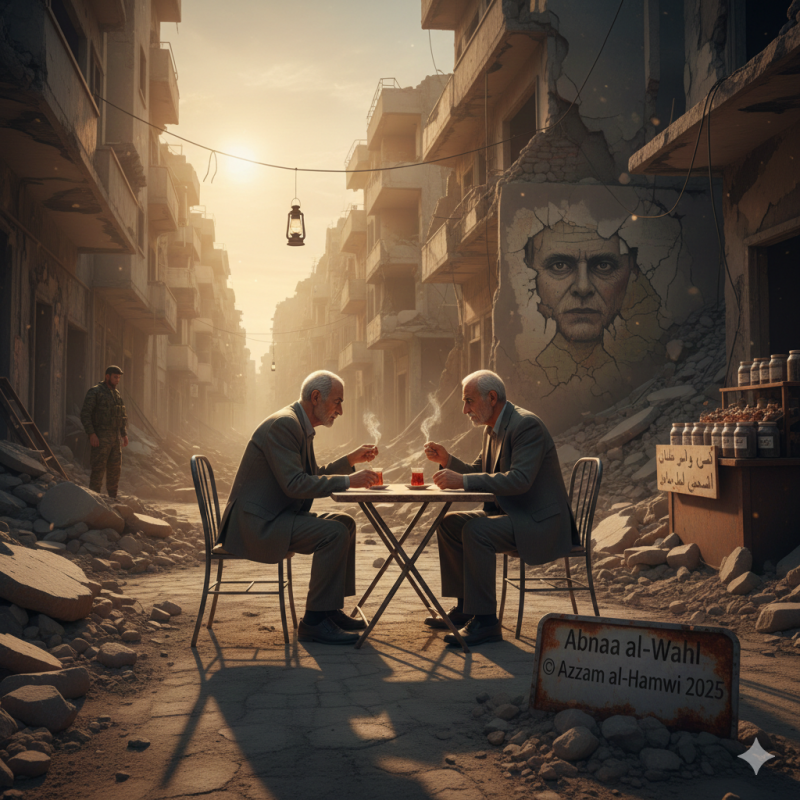
البلاد التي تأكل أبناءها
في كل مرة أفتح فيها نافذة يدخل وجه الوطن قبل الهواء
وجهٌ متعب
كأنّ أحدهم استعار ملامحه من خريطةٍ قديمةٍ
ومزّقها نصفين
يطلّ عليّ مثل شبحٍ يعرف اسمي ويغادر مثل شرطيٍّ فقد دفتر ملاحظاته
كم كنّا نضحك ونحن نحمل الحجارة إلى الساحات
نظنّ أنّها ستبني لنا بلداً جديداً
لكنها كانت فقط لتعبيد الطريق إلى المقابر
كلّ شيءٍ كان مرتباً على نحوٍ عبثيٍّ:
الذين صرخوا ماتوا
والذين صمتوا صاروا خطباء
والذين خانوا صاروا أوصياء على الحقيقة
لم نكن نطلب المستحيل
بل مجرّد وطنٍ لا يطلب منّا أن نُصفّق قبل أن نأكل
ولا يفتّش في جيوبنا عن الهتاف القديم
لكنّ الوطن كان أعقد من معادلة
وأقسى من حبيبٍ نائمٍ في سريرٍ آخر
أجلس الآن على ركام الذاكرة
أراقب الغرباء وهم
يبيعون تراب مدينتي في عبواتٍ صغيرة
وأتساءل: هل ما زالت الشوارع تتذكّر أقدامنا؟
هل ما زال الرصاص يحتفظ بأسمائنا محفورةً على صدئه؟
لقد صار الحلم مثل ورقةٍ نقديّةٍ بالية
مرّت بين أيدي الجميع ولم تشترِ شيئاً
في المقاهي القديمة التي نجت من الحرب
أجلس مع ظلي
نرتشف الشاي المرّ ونتبادل الاتهامات:
هو يقول إنّني خنت
وأنا أقول إنّه هو من اختفى يوم احتجت إليه
نضحكُ قليلاً
ثمّ نبكي كثيراً
فما عاد هناك فرقٌ بين الضحك والبكاء
في بلادٍ صارت تعرف طعم الموت أكثر من طعم الخبز
ومع ذلك …
ثمة شيءٌ في داخلي ما زال يرفض الاستسلام
نقطة صغيرة من النور تتدلّى من جدار القلب
كقنديلٍ في خربة
ربما هو الحنين
وربما الغباء
وربما تلك الفكرة العنيدة بأنّ الخراب لا يمكن أن يكون نهاية كلّ شيء
لأننا .. رغم كلّ هذا الرماد
ما زلنا نحلم
نحلم ونحن نكحّل أعيننا بغبار المدن المهدّمة
نحلم ونحن نحمل في جيوبنا مفاتيح بيوتٍ لم تعد موجودة
نحلم لأنّ الحلم
هو الشيء الوحيد الذي لم يتمكّنوا من مصادرته بعد.
كتاب
أبناء الوحل
جميع الحقوق محفوظة
© عزام الحموي 2025.
The Country That Devours Its Children
Every time I open a window, the face of the homeland enters before the air—
a tired face,
as if someone borrowed its features from an old map
and tore it in two.
It peers at me like a ghost who knows my name, then leaves like a policeman who lost his notebook.
How we laughed as we carried stones to the squares,
thinking they would build us a new country—
but they were only paving the road to the graves.
Everything was arranged with absurd precision:
those who shouted died,
those who remained silent became orators,
and those who betrayed became guardians of the truth.
We weren't asking for the impossible—
just a homeland that didn't demand we applaud before we ate,
that didn't search our pockets for the old chant.
But the homeland was more complex than an equation,
and crueler than a lover sleeping in another's bed.
I sit now on the rubble of memory,
watching strangers sell the soil of my city in small containers,
and I wonder: Do the streets still remember our footsteps?
Does the bullet still keep our names engraved on its rust?
The dream has become like a worn-out banknote—
passed through everyone's hands and bought nothing.
In the old cafes that survived the war,
I sit with my shadow.
We sip bitter tea and exchange accusations:
He says I betrayed,
and I say he's the one who disappeared the day I needed him.
We laugh a little,
then weep a lot—
for there's no longer a difference between laughter and tears
in a country that has come to know the taste of death more than the taste of bread.
And yet…
something inside me still refuses to surrender—
a small point of light dangling from the heart's wall
like an oil lamp in a ruin.
Perhaps it's nostalgia,
perhaps stupidity,
perhaps that stubborn idea that ruin cannot be the end of everything.
Because we… despite all this ash,
still dream.
We dream as we apply the kohl of demolished cities to our eyes.
We dream as we carry in our pockets the keys to houses that no longer exist.
We dream because the dream
is the one thing they haven't yet been able to confiscate.
From the book
Children of the Mud
All rights reserved
© Azzam Al-Hamwi 2025.

انتخابات بطعم السجون
كانوا يقولون: "صوتك أمانة"
لكنهم نسوا أن الأمانة تُسلَّم للأحرار لا للسجانين
في بلادي ..
حتى الورقة الانتخابية تحتاج إلى تصريح أمني
والخوف هو المرشح الوحيد الذي يفوز بالأغلبية الساحقة في كل دورة
ندخل مراكز الاقتراع كمن يدخل مستشفىً بلا طبيب
نخرج منها مصابين بداء الوطن ومُلطَّخين بابتسامات رسمية كأنها بقع دمٍ لا تزول
إنها انتخابات بطعم السجون…
لا شيء فيها يُشبه الاختيار
سوى أنك تختار طريقةَ هزيمتك
حمراء على سطح الجرح
مجلس الشعب من ملاهٍ للظلال
بدلات شرطة… مهرجون دبلوماسيون…
يقاسمون الوطن على ثلاث:
ثلثٌ للسلطان
ثلثٌ للبطانة
وثلثٌ يُرمى للشعب كعظمةٍ لتجميل الصورة في نشرات الأخبار
أوركسترا السكاكين تُسمّي نفسها انتخابات
نُصوّت ونحن نُصفّق
نُصفّق ونحن نُساق
نُساق ونحن نضحك كي لا يقال إننا نعرف الحقيقة
الحرية هنا مثل سيجارة منتهية في فم جنديّ
والديمقراطية تُباع في السوق السوداء كزيت مغشوش
كل صندوق اقتراع تابوت صغير
يُدفَن فيه صوتك مع بصمتك
ويُقال لك بعد ذلك:
لقد شاركتَ في صنع المستقبل!
في المساء ..
تُعلن النتائج:
فاز المرشح الوحيد
الذي لم يترشح… لأنه الحاكم أصلًا
يُطلقون المفرقعات
ويرقص المذيع كمن يزفّ وطنًا إلى قبره
ونحن نبتسم من وراء القضبان كي لا نُتَّهم بالتشاؤم
ومع ذلك…
يبقى فينا شيء صغير لا يموت
شيءٌ يشبه بقايا ضوءٍ في نهاية زنزانة
ربما ليس وطنًا بعد
لكنّه بذرة وطنٍ لم تُدهس بعد بالحذاء العسكري
سنظل نخبئ أصواتنا في الجدران
نزرعها في الليل
نسقيها بالصبر والسخرية
حتى يأتي فجرٌ لا يحتاج إلى إذنٍ من المخابرات
فإذا لم ننتخب إنسانًا يشبهنا في هذه الحياة
فلننتخبه في الحياة القادمة
حين تُفتح صناديق الأرض كلّها
ويُعلن الله النتيجة النهائية:
أن الكرامة فازت… ولو بعد موتٍ طويل.
جميع الحقوق محفوظة
© عزام الحموي 2025.
Elections with the Taste of Prisons
They used to say: "Your vote is a trust."
But they forgot that trusts are entrusted to the free, not to jailers.
In my country…
even the ballot paper needs a security clearance,
and fear is the only candidate that wins by a landslide every term.
We enter polling stations like people entering a hospital without a doctor.
We emerge infected with the disease of homeland, stained with official smiles like bloodstains that never wash away.
They are elections with the taste of prisons…
Nothing in them resembles choice,
except that you choose the manner of your defeat.
Red on the surface of the wound—
the People's Assembly, a carnival of shadows.
Police uniforms… diplomatic clowns…
dividing the homeland into three:
a third for the sultan,
a third for the inner circle,
and a third thrown to the people as a bone to美化 the picture on the evening news.
An orchestra of knives calls itself elections.
We vote while applauding,
we applaud while being herded,
we are herded while laughing, lest it be said we know the truth.
Freedom here is like a spent cigarette in a soldier's mouth,
and democracy is sold on the black market like adulterated oil.
Every ballot box is a small coffin
where your voice is buried along with your fingerprint,
and you are told afterward:
"You have participated in shaping the future!"
In the evening…
the results are announced:
The sole candidate has won—
the one who didn't even run… because he is the ruler already.
They set off firecrackers,
and the newscaster dances as if escorting a homeland to its grave,
and we smile from behind the bars, lest we be accused of pessimism.
And yet…
something small in us remains that does not die—
something resembling the remnants of light at the end of a cell.
Perhaps not yet a homeland,
but a seed of a homeland not yet trampled by the military boot.
We will keep hiding our voices in the walls,
planting them at night,
watering them with patience and sarcasm,
until a dawn arrives that needs no permission from intelligence.
And if we cannot elect a human who resembles us in this life,
we will elect one in the next life—
when all the earth's boxes are opened,
and God announces the final result:
that dignity has won… even if after a long death.
All rights reserved
© Azzam Al-Hamwi 2025.
Unveiling new perspectives through prose and poetry
Unlike the rigorous analysis of philosophy or the incisive commentary of politics found elsewhere on this site, these literary works offer a different kind of engagement. This section features original short stories, evocative poetry, and other imaginative pieces that explore human experience through narrative, metaphor, and imagery. They are designed to invite personal interpretation and foster emotional connection, offering a unique blend of insight and artistry. Discover tales that resonate long after the final word.
Dive into Azzam alhamwi's literary archive
We invite you to delve deeper into Azzam alhamwi's creative universe. Explore the diverse range of literary pieces, from poignant short stories to reflective poetry. We encourage you to read, reflect, and share your thoughts with us. Your engagement enriches the journey for everyone. Feel free to explore other related categories like 'مقالات أدبية' (Literary Articles) or 'مسرح' (Theater) for more of Azzam alhamwi's creative expressions. We value your presence and hope you find profound inspiration within these pages.